3 hr 15 min
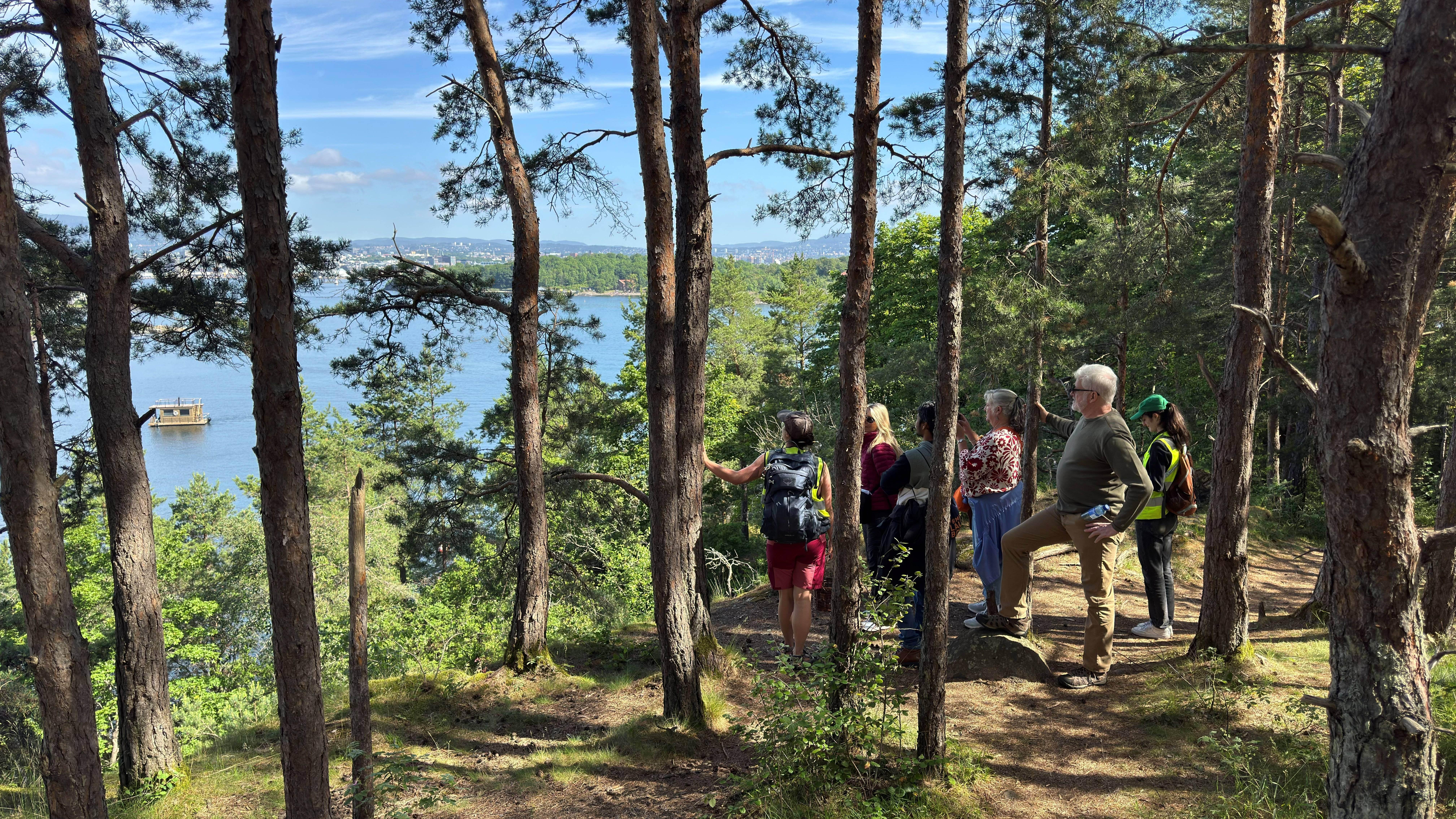
Oslo Fjord Island Hopping & Nature Walk
- Entry ticket
- Mobile voucher
- Valid same day
- Free cancellation
Oslo Island Hopping Boat Tour — Electric Ferries & Guided Cruises
Navigate the archipelago by water, stop where granite meets pine.
Compare fares, pick the fit — all bookings are mobile-voucher and eligible for free cancellation where shown.
3 hr 15 min
1 hr 30 min
2 hr
Choosing the right option for your oslo island hopping boat tour depends on whether you prefer the convenience of public ferry transport or a structured maritime excursion. Understanding these Oslo Fjord access levels helps you maximize your time on the water.
|
Top pick Ruter Public Ferry Standard Access |
Guided Boat Excursion Private Tour | |
|---|---|---|
| Access Level | Entire ferry network | Selected fjord routes |
| Wait Time | Minimal with early arrival | Fixed departure schedule |
| Areas Included | Multiple islands and bays | Curated points of interest |
| Entrance Fee | 42 NOK | Varies by operator |
| Best For | First-timers and independent travelers | Those seeking structured narration |
| See tickets & prices |
Verdict: For the most flexible oslo island hopping boat tour tickets, utilize the public ferry system, whereas those wanting guided oslo island hopping boat tour tours should select the private excursion option.
Worth it if you use public ferries
The oslo island hopping boat tour delivers exceptional value when you skip commercial packages and use Oslo's public Ruter ferry network instead. A single 42 NOK ticket grants unlimited transfers across the entire Oslofjorden route system for one journey, letting you visit multiple islands like Hovedøya, Lindøya, and Bleikøya at a fraction of private tour costs. Guided options like the Oslo Fjord Island Hopping & Nature Walk (around 850 NOK) add expert commentary and structured itineraries, while the Electric Oslofjord Sightseeing Cruise offers audio guides for independent explorers. The public ferries depart from Rådhusbrygge 4 and run daily from 06:00 to 23:59, providing the same scenic archipelago access without premium markup. For budget-conscious travelers who value flexibility over narration, the Ruter system makes oslo island hopping boat tour tours accessible to anyone. Premium experiences like the Wooden Sailing Boat tour justify their cost for those wanting intimate group settings, but solo island exploration via public transport remains unbeatable for pure cost-efficiency.
Bottom line: Public ferries make the oslo island hopping boat tour affordable for everyone, while guided options justify their premium with structured itineraries and expert knowledge.
They complement each other; most visitors who do both call the independent Ruter ferry the more flexible way to experience the Oslo Fjord. An organized [city] island hopping tour offers a guided narrative that deepens your understanding of local history.
|
Top pick Oslo Island Hopping Boat Tour |
Public Ruter Ferry | |
|---|---|---|
| Guided commentary | Included (live guide) | None (self-guided) |
| Pricing | From 350 NOK | 42 NOK (single ticket) |
| Flexibility | Fixed schedule | High (frequent hops) |
| Focus | History and culture | Recreation and scenery |
| Departure location | Rådhusbrygge 4 | Rådhusbrygge 4 |
| Arrival window | Check tour schedule | 06:00–10:00 (recommended) |
| Transport type | Electric public ferry | Electric public ferry |
| See tickets & prices |
Verdict: Choose the guided oslo island hopping boat tour if you want historical context, or utilize the public ferry if you prefer affordable oslo island hopping boat tour tickets with complete independence.
Hand-picked experiences loved by thousands of travelers
2 hours
Free Cancellation
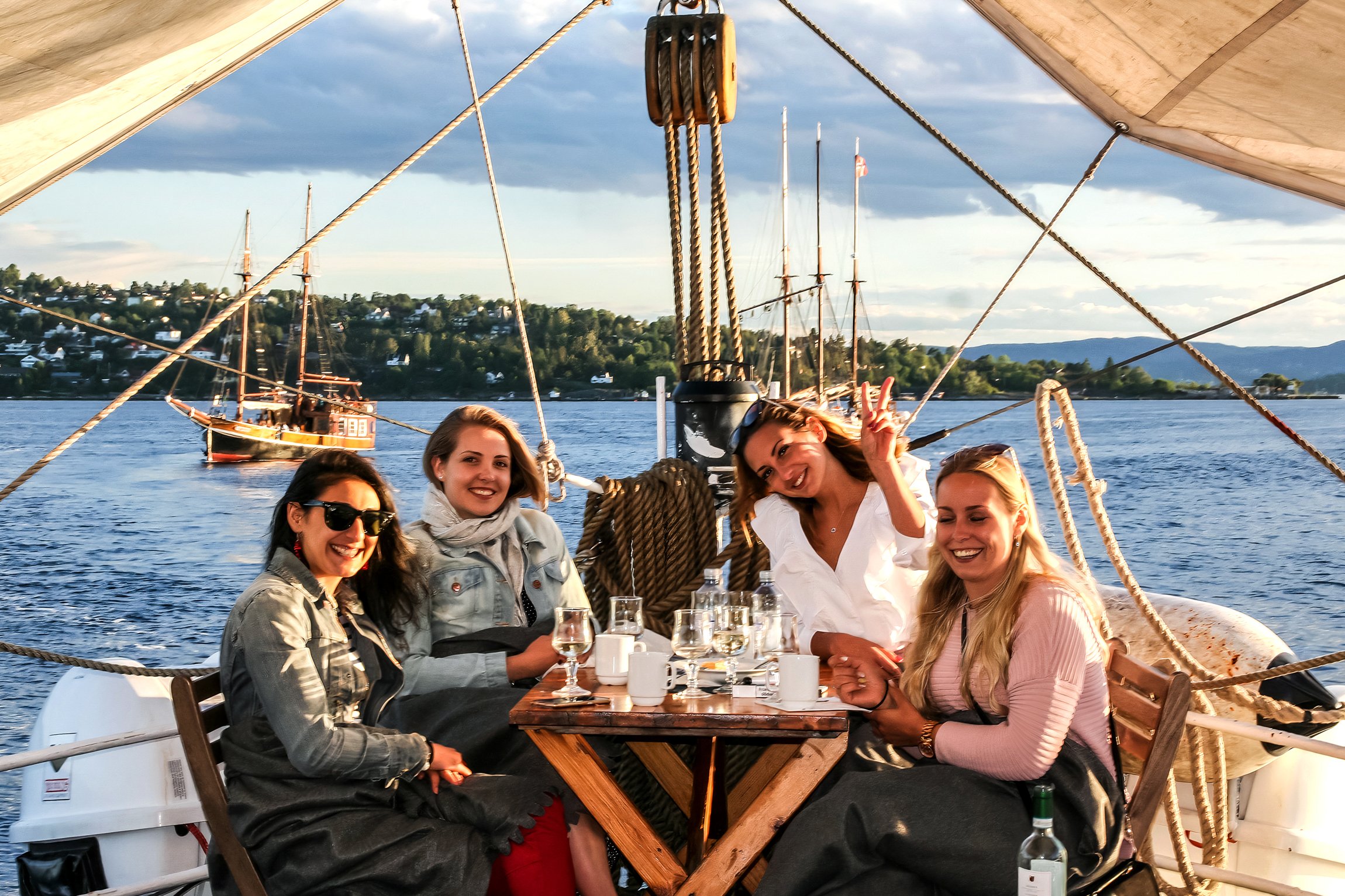
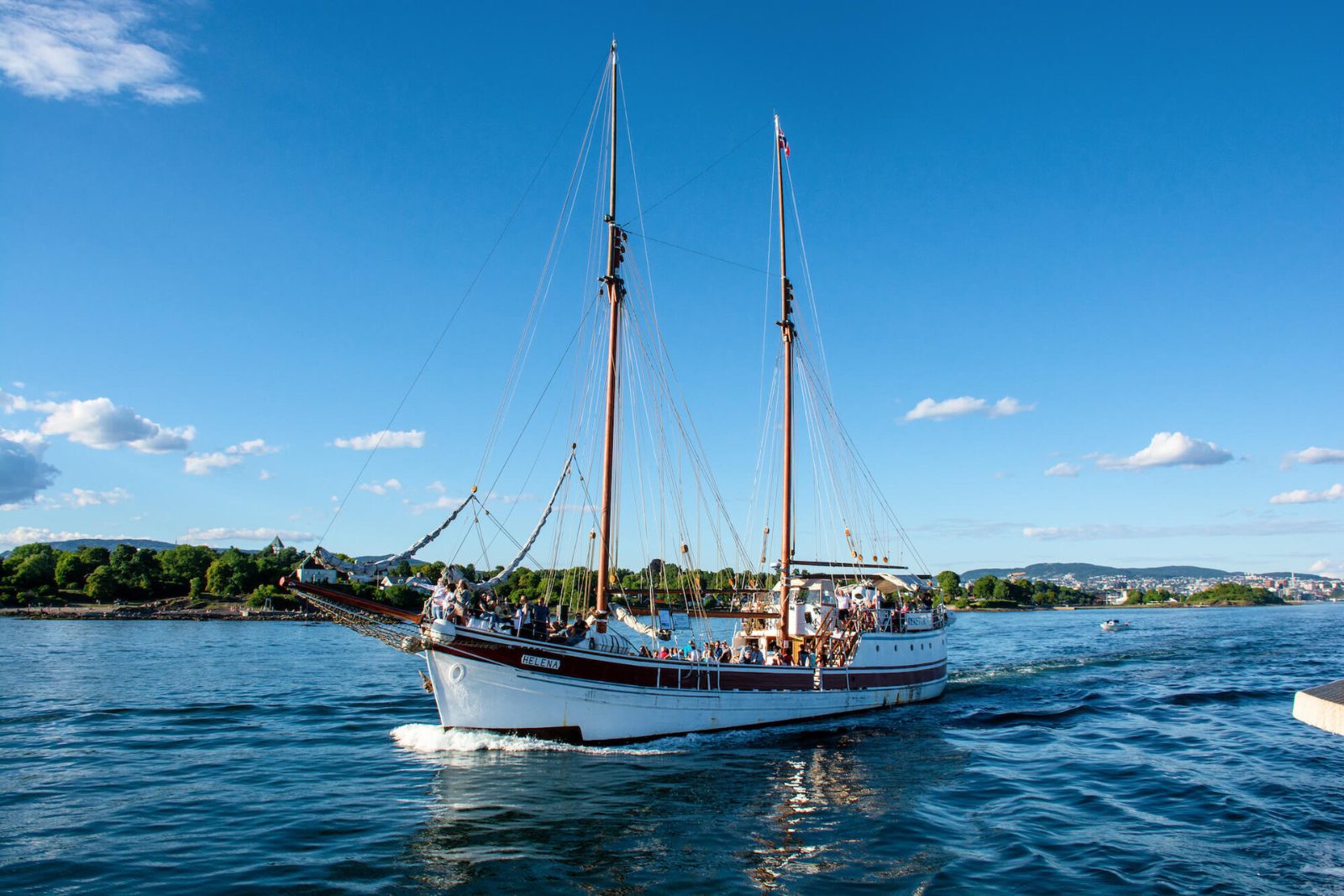
Discover Norway's famous fjord aboard an authentic wooden vessel with coastal views and island scenery
2 hours
Free Cancellation
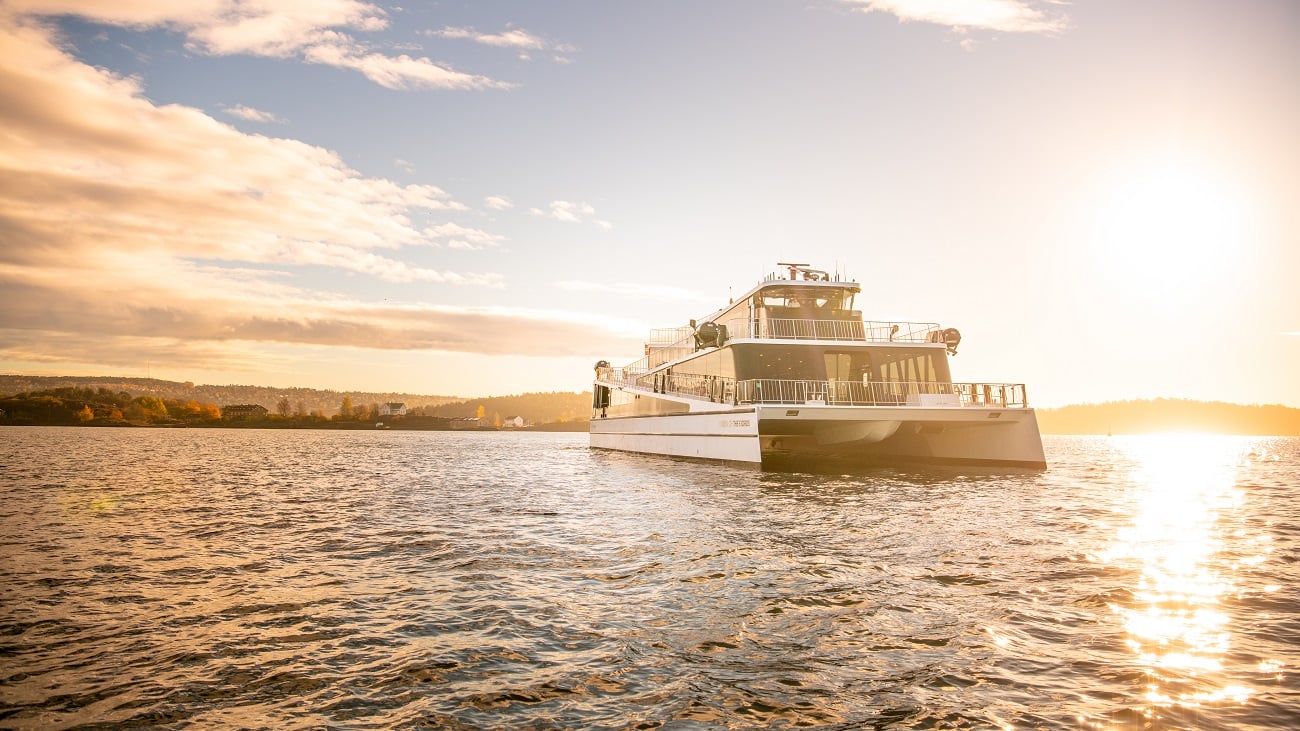
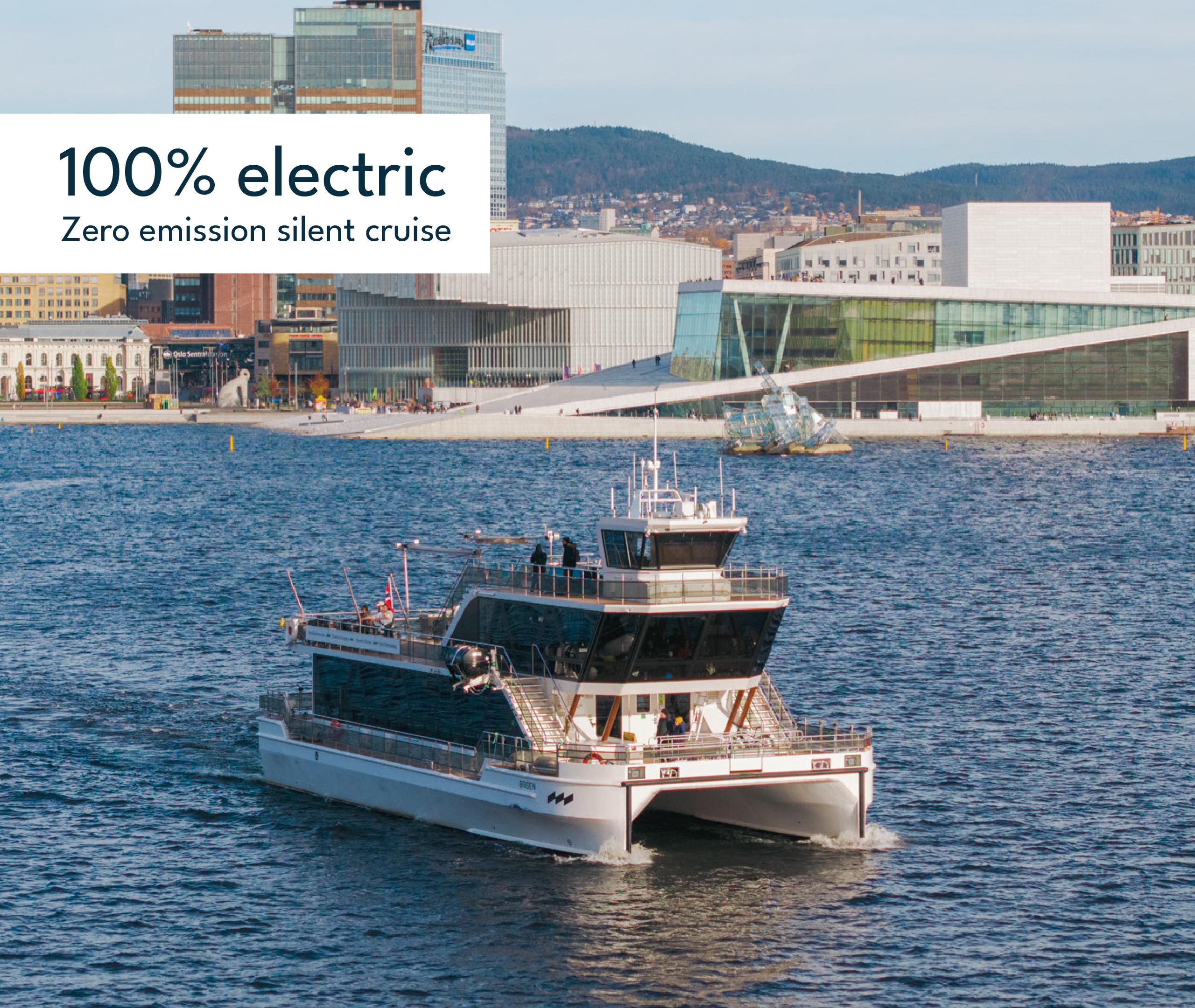
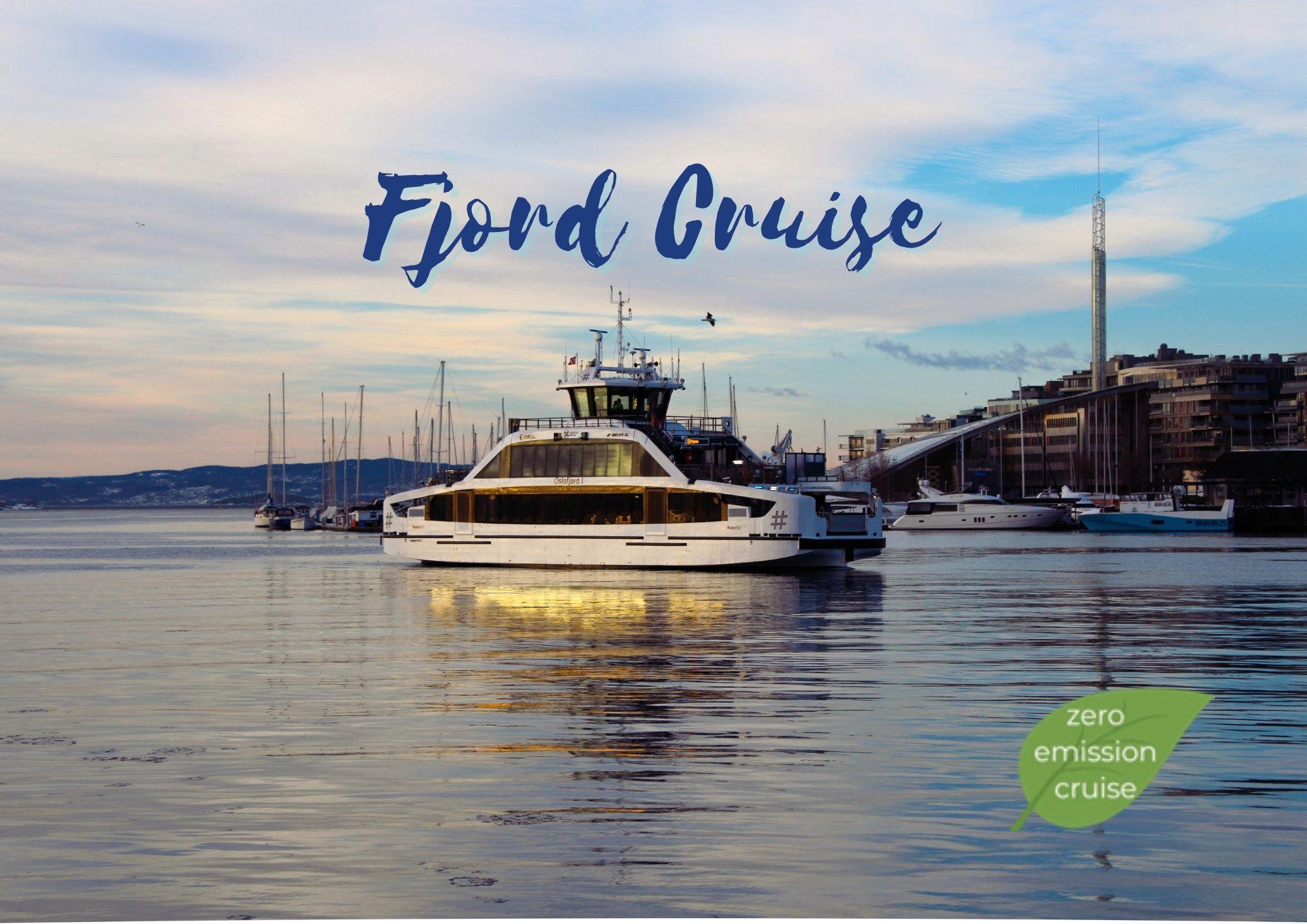
Sail silently through Oslo's stunning fjord on an eco-friendly boat, passing iconic landmarks and islands
3 hours
Free Cancellation
Discover Oslo's hidden island gems by ferry with monastery ruins, coastal trails, and fjord views
4 hours 30 minutes
Free Cancellation
Discover historic ruins, colorful cabin villages, and scenic nature across three stunning fjord islands
3 hours
Free Cancellation
Sail the Oslofjord aboard a historic wooden ship while enjoying fresh shrimp and stunning harbor views
4 hours
Free Cancellation
Escape the city on a guided fjord cruise visiting tranquil islands, scenic beaches, and coastal villages
6 hours
Free Cancellation
Six-hour cruise visiting medieval ruins, lighthouses, beaches, and charming island communities
2.5 hours
Free Cancellation
Sail through the Oslo Fjord on an electric boat while savoring a three-course meal and live entertainment
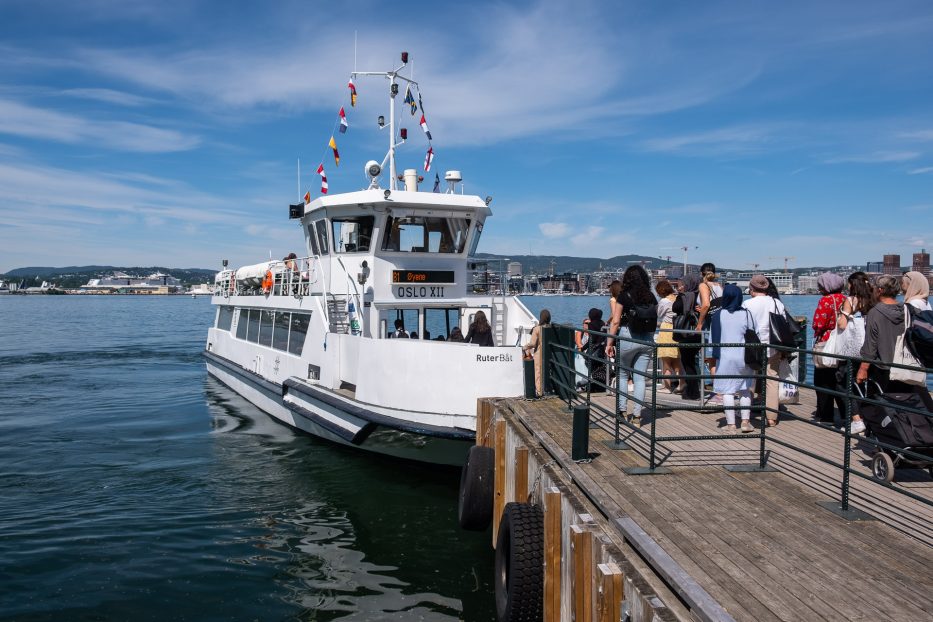
Check the departure board at pier 91-94 and validate your Ruter ticket before boarding the electric ferry.
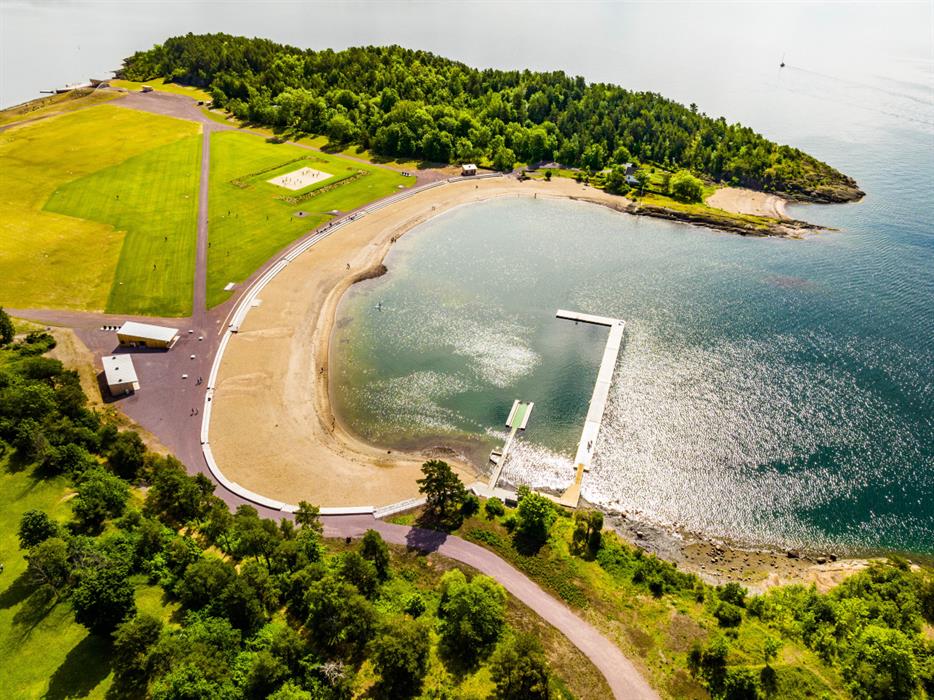
Short crossing to the closest island, known for monastery ruins and swimming beaches.
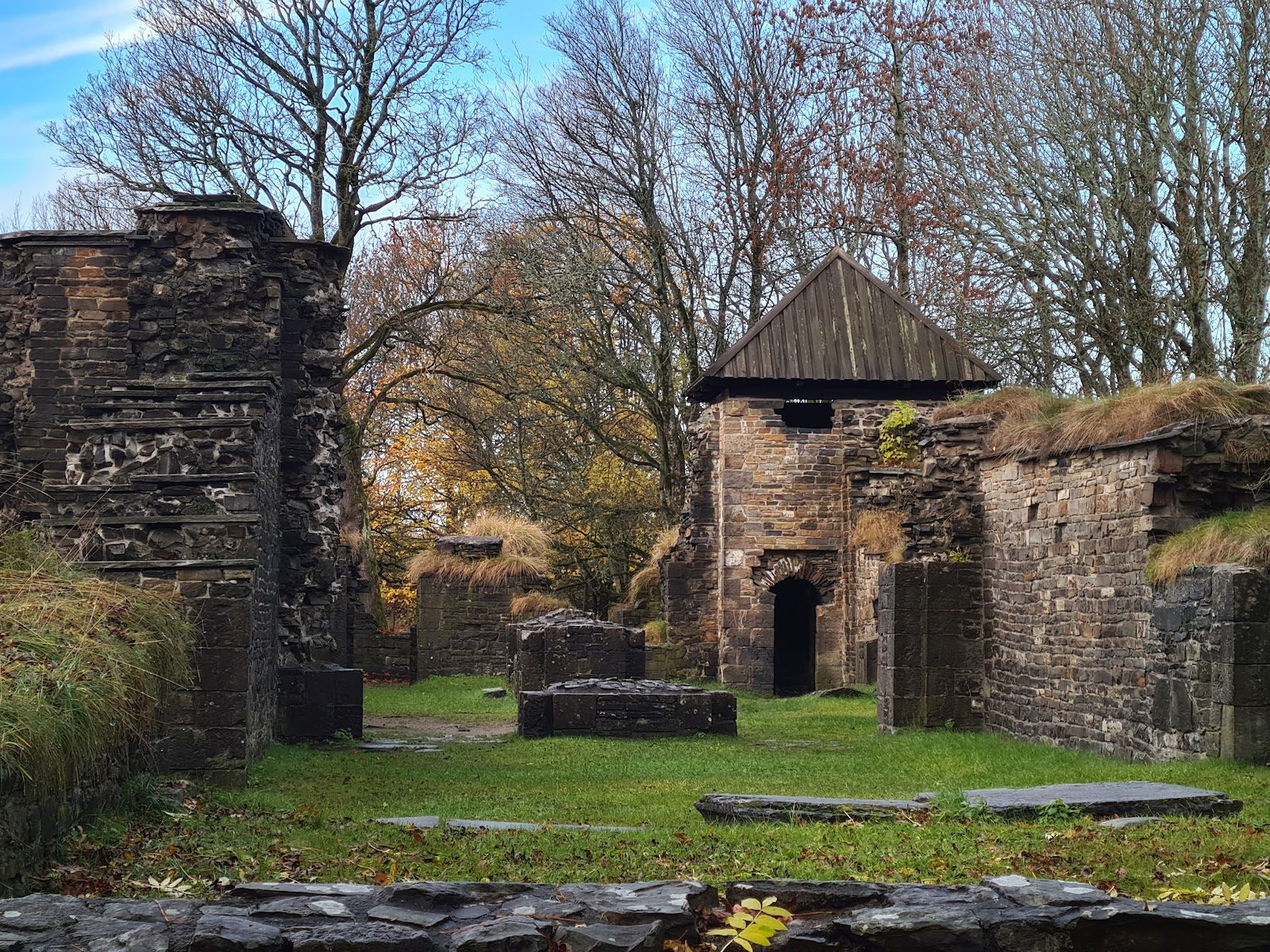
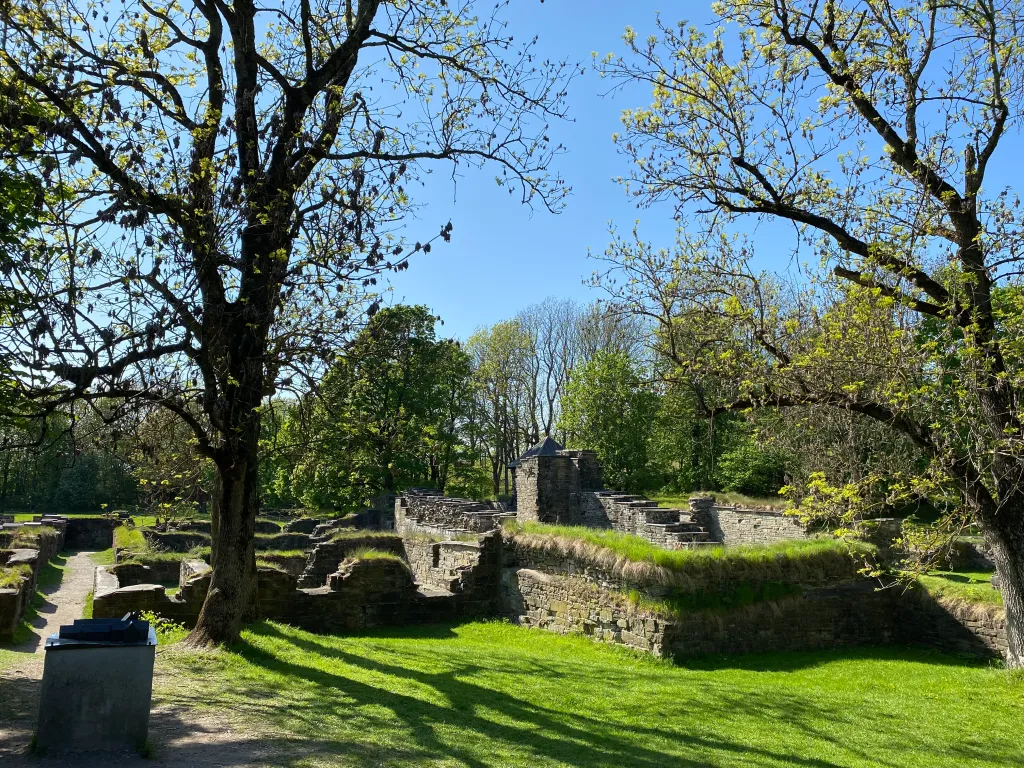
Walk the perimeter path past the 12th-century monastery ruins and old fort cannons.
Continue the island-hopping route to a quieter island with grazing sheep and a small history museum.
Choose a return leg through the cabin islands before heading back to Rådhusbrygge.
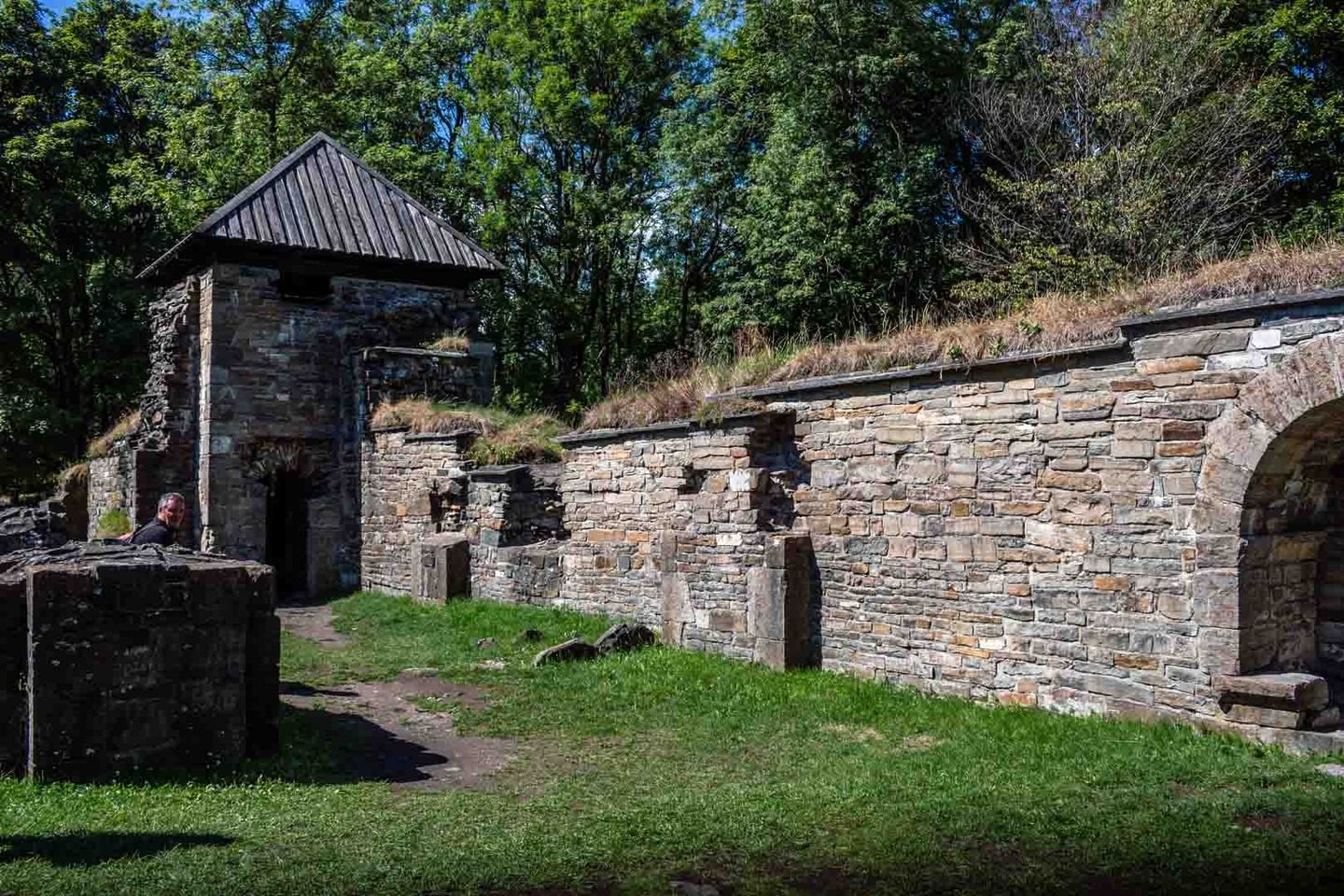
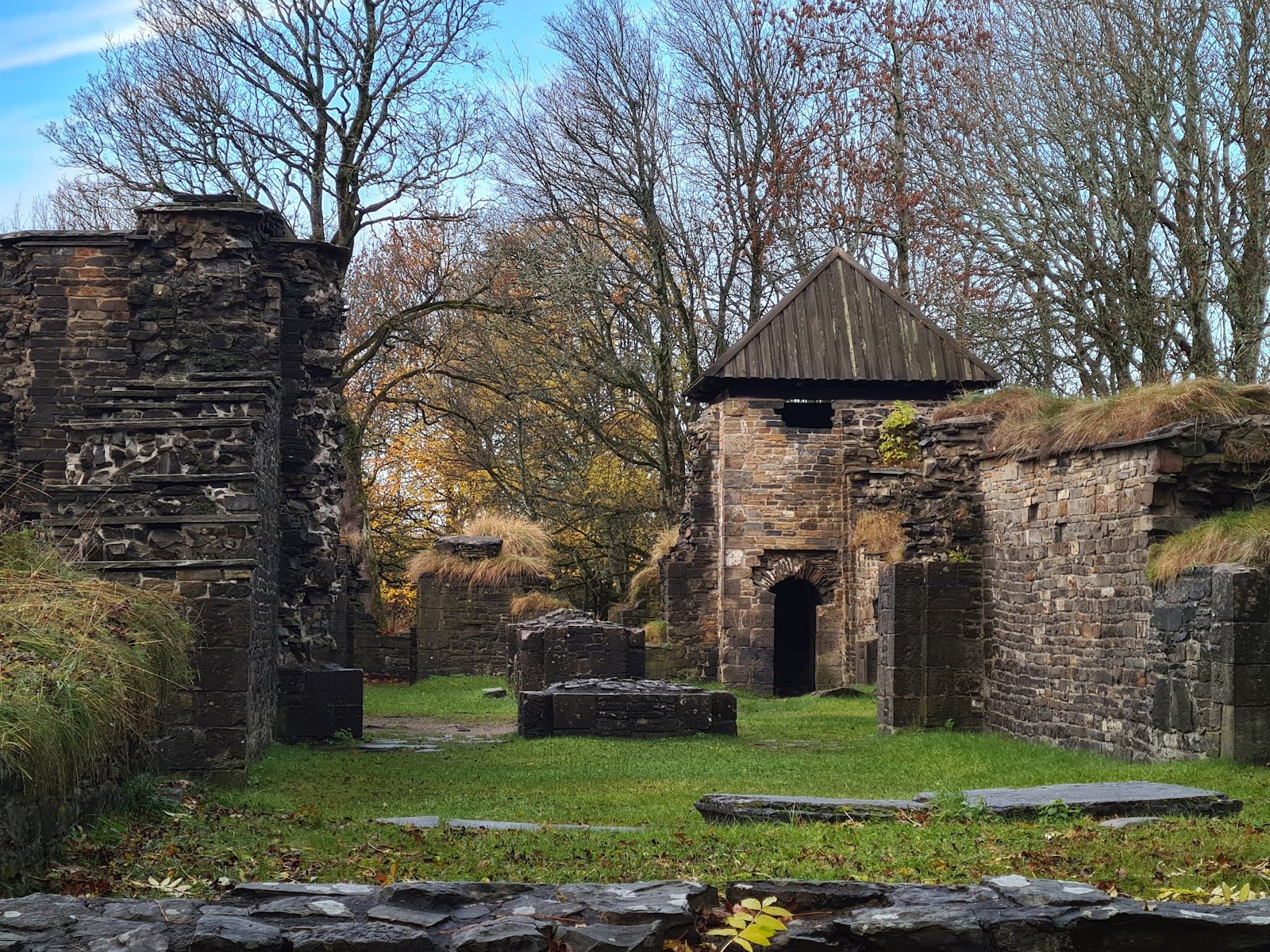
The remains of a 12th-century Cistercian monastery sit near the island's ferry dock, alongside 19th-century coastal artillery emplacements. The island is the closest stop on the route, roughly 15 minutes from Rådhusbrygge.
This island keeps a small flock of sheep grazing near an old airfield that briefly served as Oslo's first airport in the 1920s. A modest local history cabin near the pier displays photos from that era.
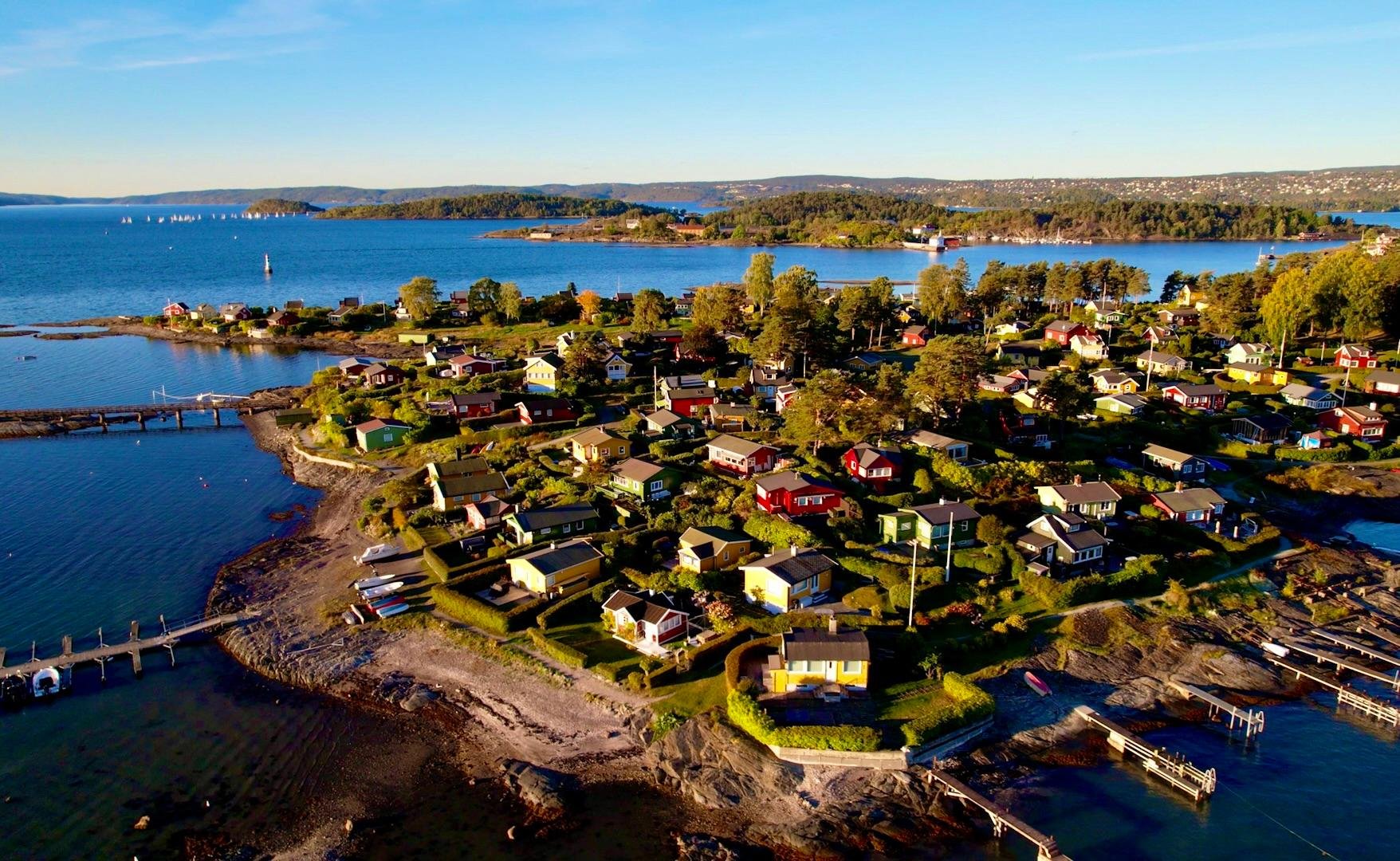
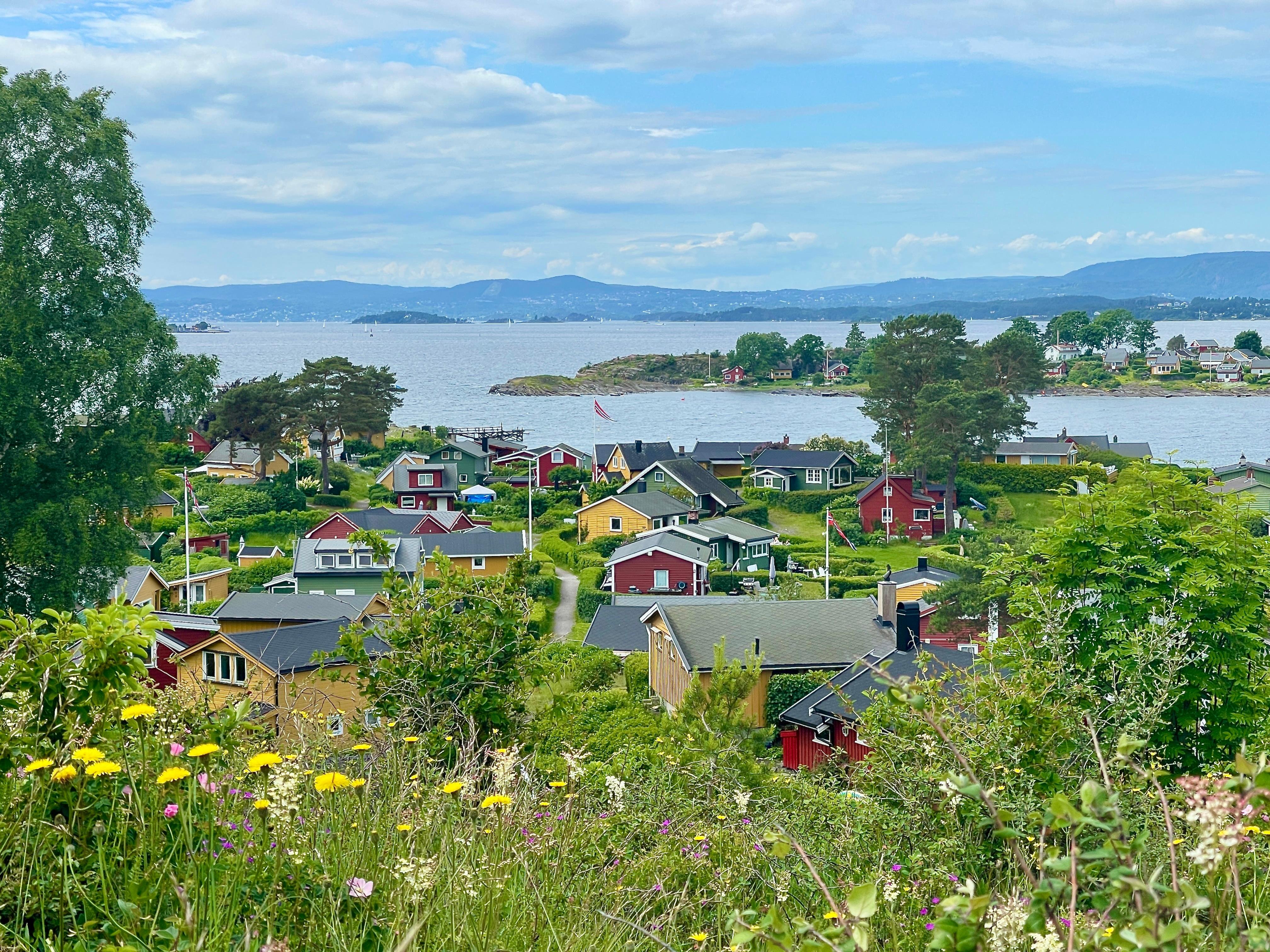
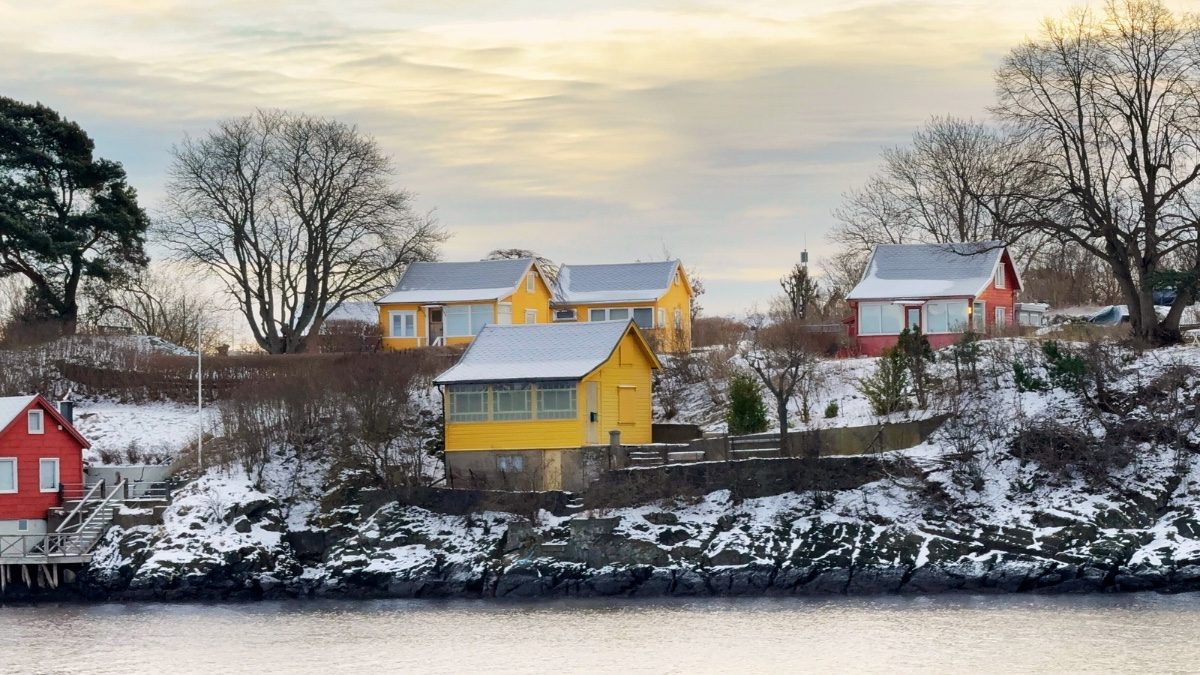
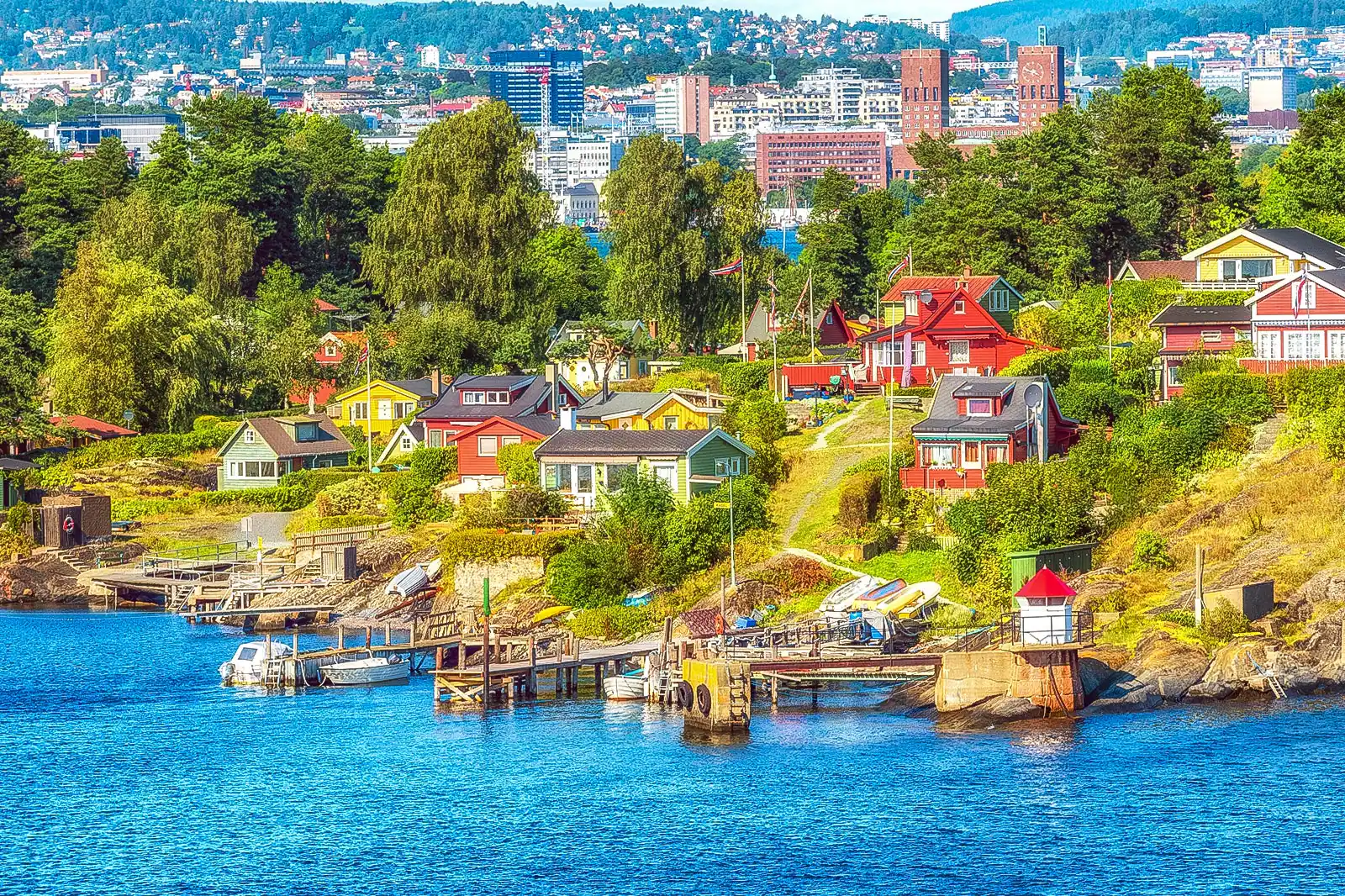
Lindøya is dotted with roughly 350 small wooden summer cabins built mostly in the early 20th century, with no year-round residents permitted. Narrow gravel paths wind between the brightly painted huts.
Similar in character to Lindøya, this island's cabins are known for their pastel facades and communal garden plots tended by seasonal residents. The island has no shops, so visitors rely entirely on what they carry.
Nakholmen offers rocky swimming coves and a small sandy patch favored by locals escaping the city center in summer. The island sits at the outer edge of the inner fjord route, giving wider views back toward Oslo's skyline.
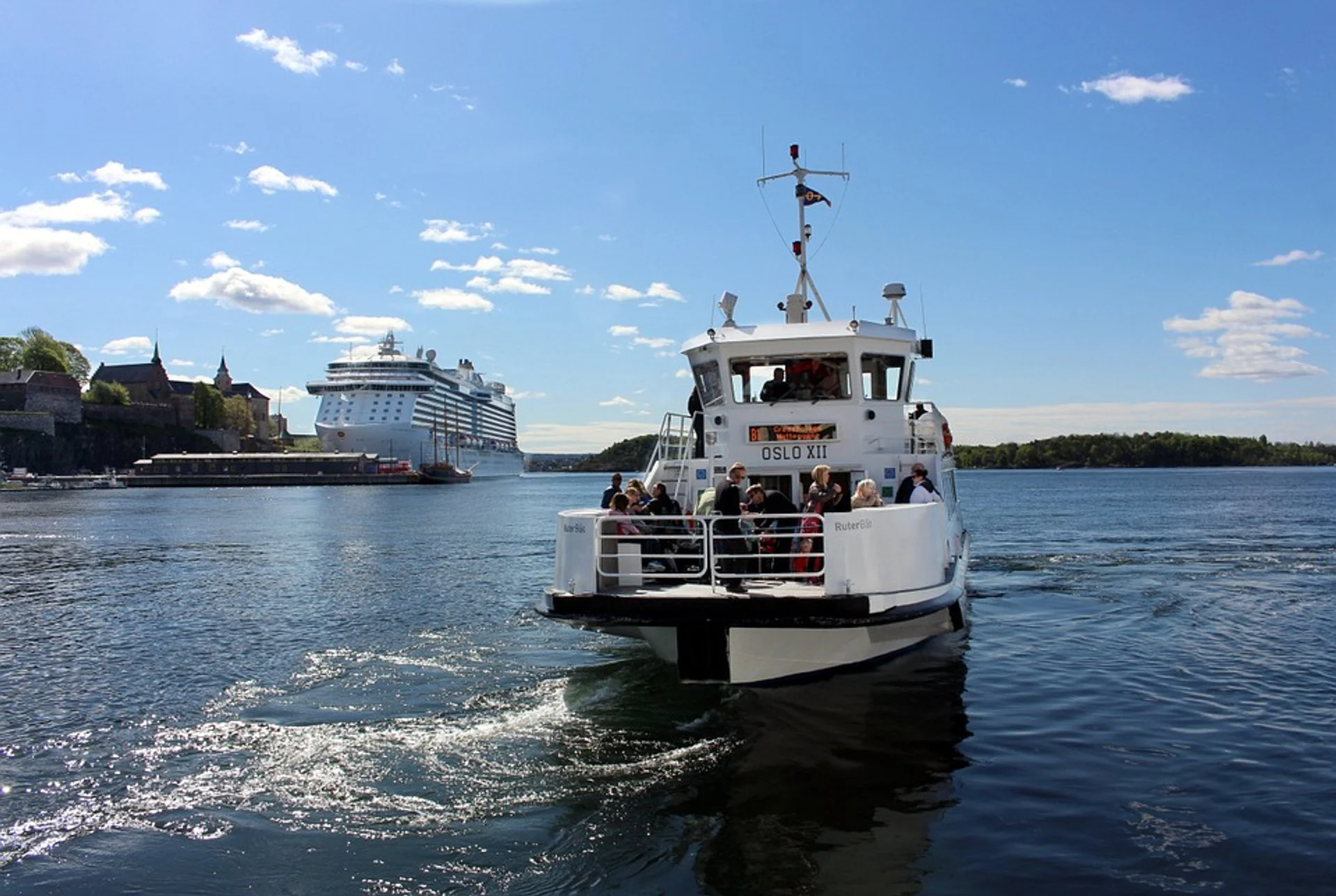
You board at Rådhusbrygge before eight, stepping onto the electric ferry's open aft deck as the gangway retracts. The boat pulls away silent, wake fanning white across glassy water, and you pass Akershus Fortress on the port side, its stone bastions backlit by morning sun.
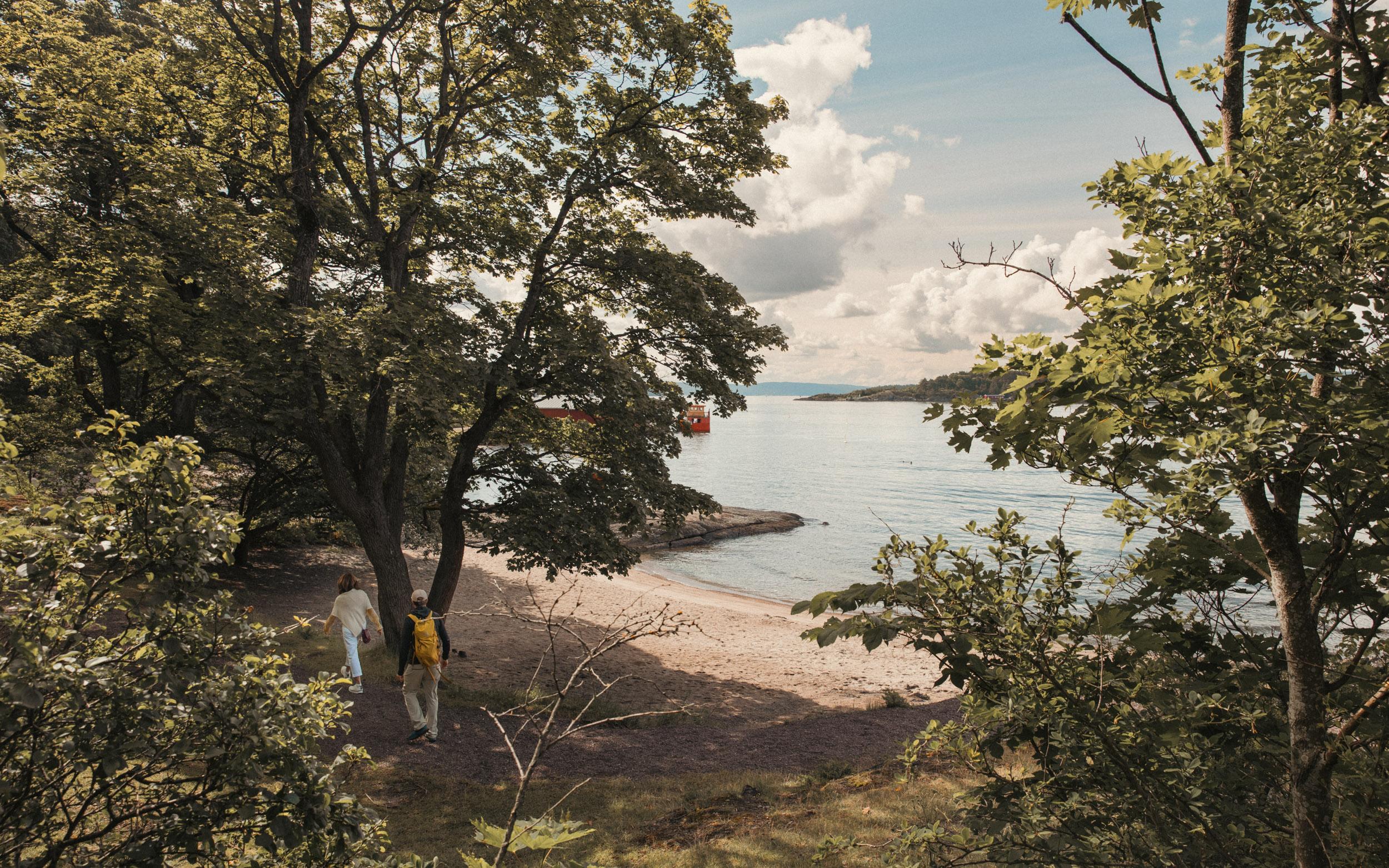
Fifteen minutes later Hovedøya appears, a low green hump with a sand beach and wooden jetty. You step ashore and follow the gravel path inland, reaching the monastery ruins in five minutes—arched doorways framing sky, walls knee-high in some places, shoulder-high in others, wildflowers growing from the mortar gaps.
You return to the dock and catch the next ferry to Gressholemen, where the old seaplane runway runs parallel to the shore, cracked tarmac giving way to moss. Terns wheel overhead, calling sharp notes, and you walk the perimeter trail in twenty minutes, returning to the quay as the next boat approaches. The final leg takes you to Langøyene, where you drop your bag on the sand and wade into water cold enough to tighten your chest. Families spread blankets near the southern jetty; a group plays volleyball on the packed sand. You stay an hour, then board the afternoon ferry back to the city, the skyline growing taller as the Barcode towers resolve into individual glass panes and the fjord narrows to a channel.
All the details about your upcoming adventure in one place
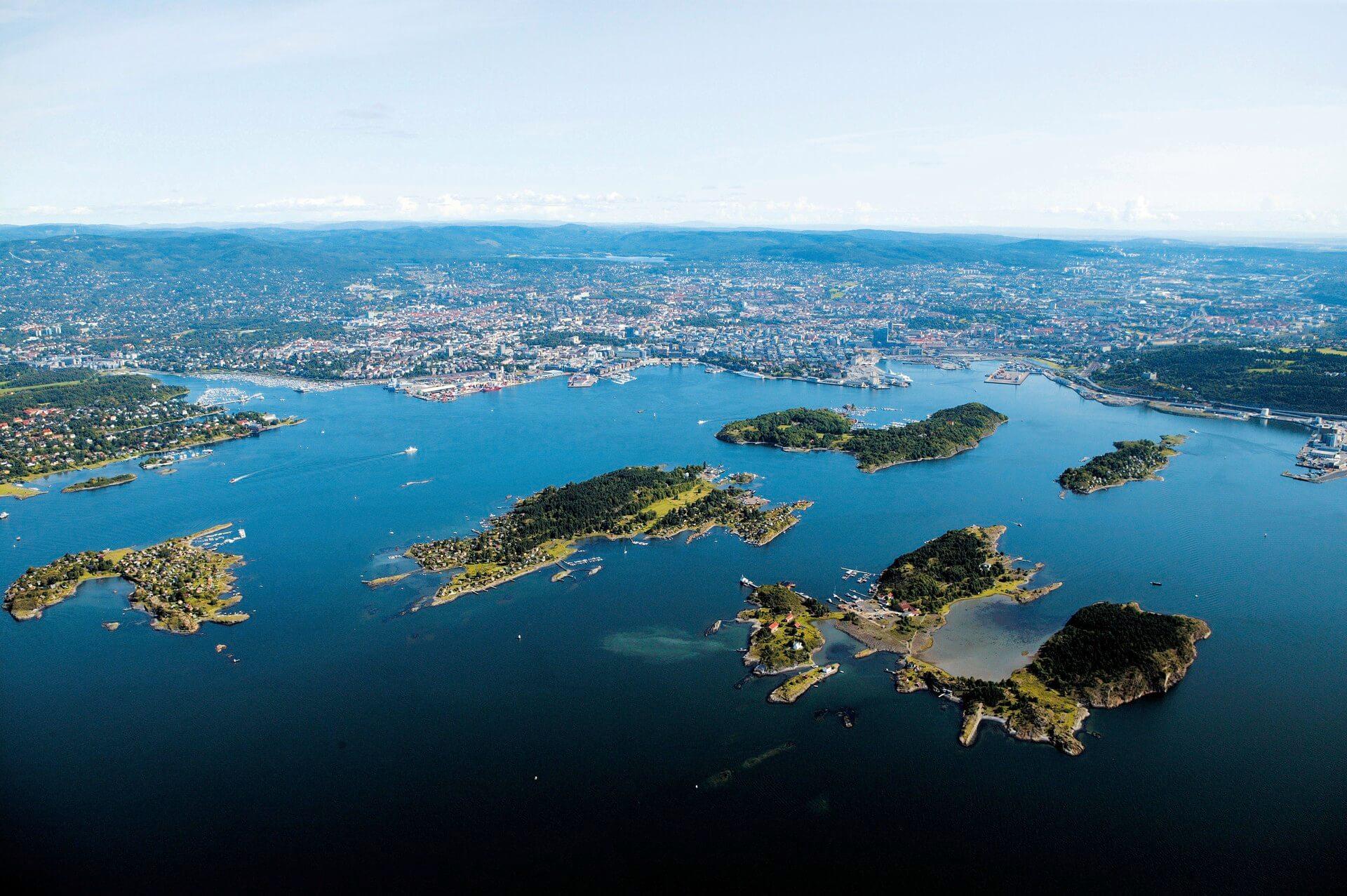
The Oslo Fjord archipelago holds more than forty islands within Zone 1 of the public ferry network, a fact that transforms an ordinary transit ticket into a day-long passport across granite shores and pine-forested summits.
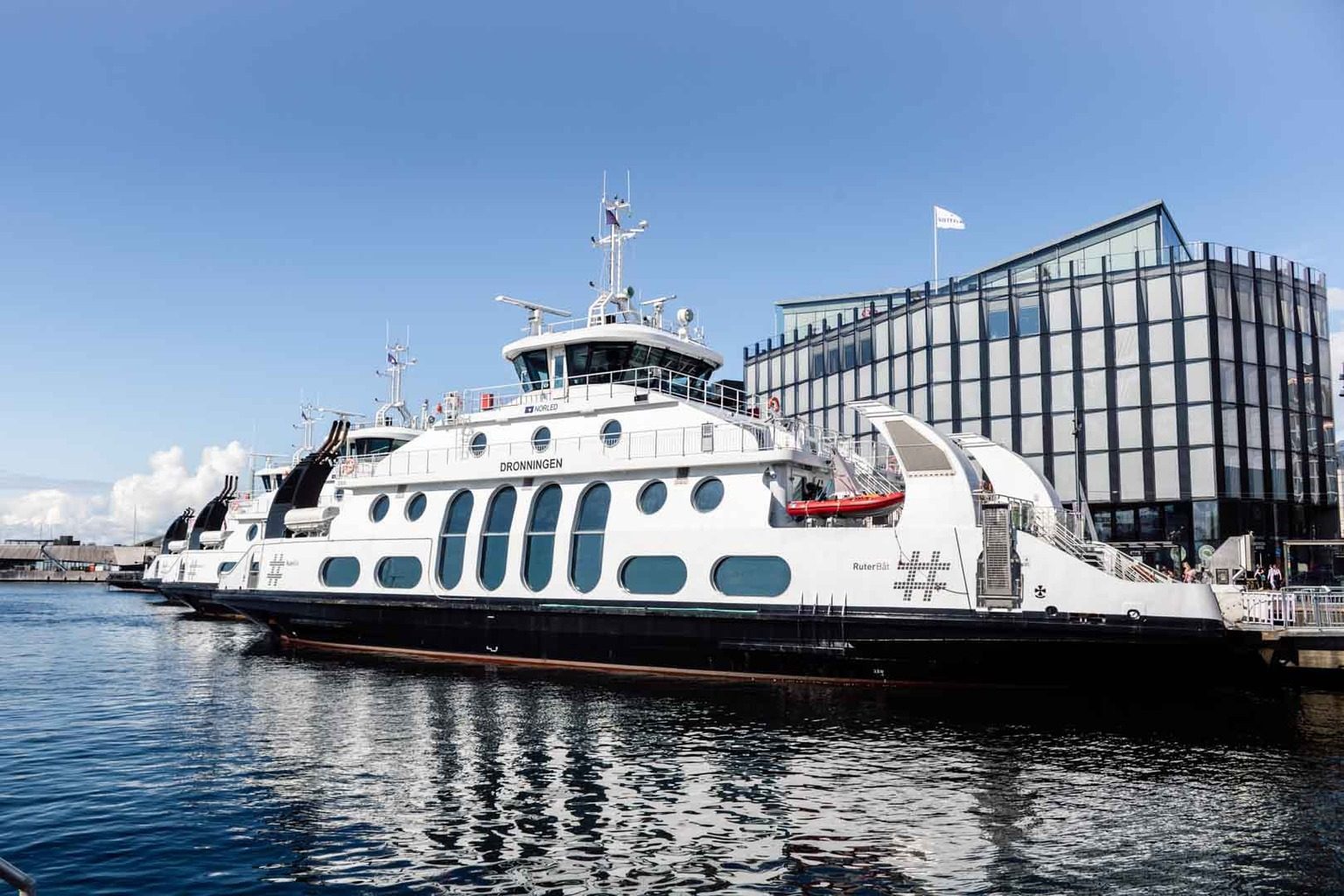
Electric ferries began replacing diesel vessels in 2022, and by 2026 the entire inner-fjord fleet operates on battery power, silent except for the wake and the gulls. The network was never designed for tourism—commuters moving between Hovedøya, Lindøya, Gressholmen and the smaller skerries built the timetable—but that utilitarian rhythm now serves visitors who ride the same routes for 42 kroner, the standard Ruter single fare valid across the entire system.
The islands themselves carry centuries of use. Hovedøya preserves the ruins of a Cistercian monastery founded in 1147, stone arches open to weather, and Nazi-era gun emplacements buried in the hilltop forest. Langøyene, the longest sandy beach within city limits, stretches four hundred metres along its western shore, a glacial deposit unusual in a fjord otherwise edged by rock. Gressholmen, once Oslo's first airport when seaplanes landed in the 1920s, now hosts tern colonies in summer, the runway overgrown. Each island operates under strict conservation rules—no fires outside designated pits, no camping, no amplified music—enforced by Bymiljøetaten wardens who patrol in small boats.
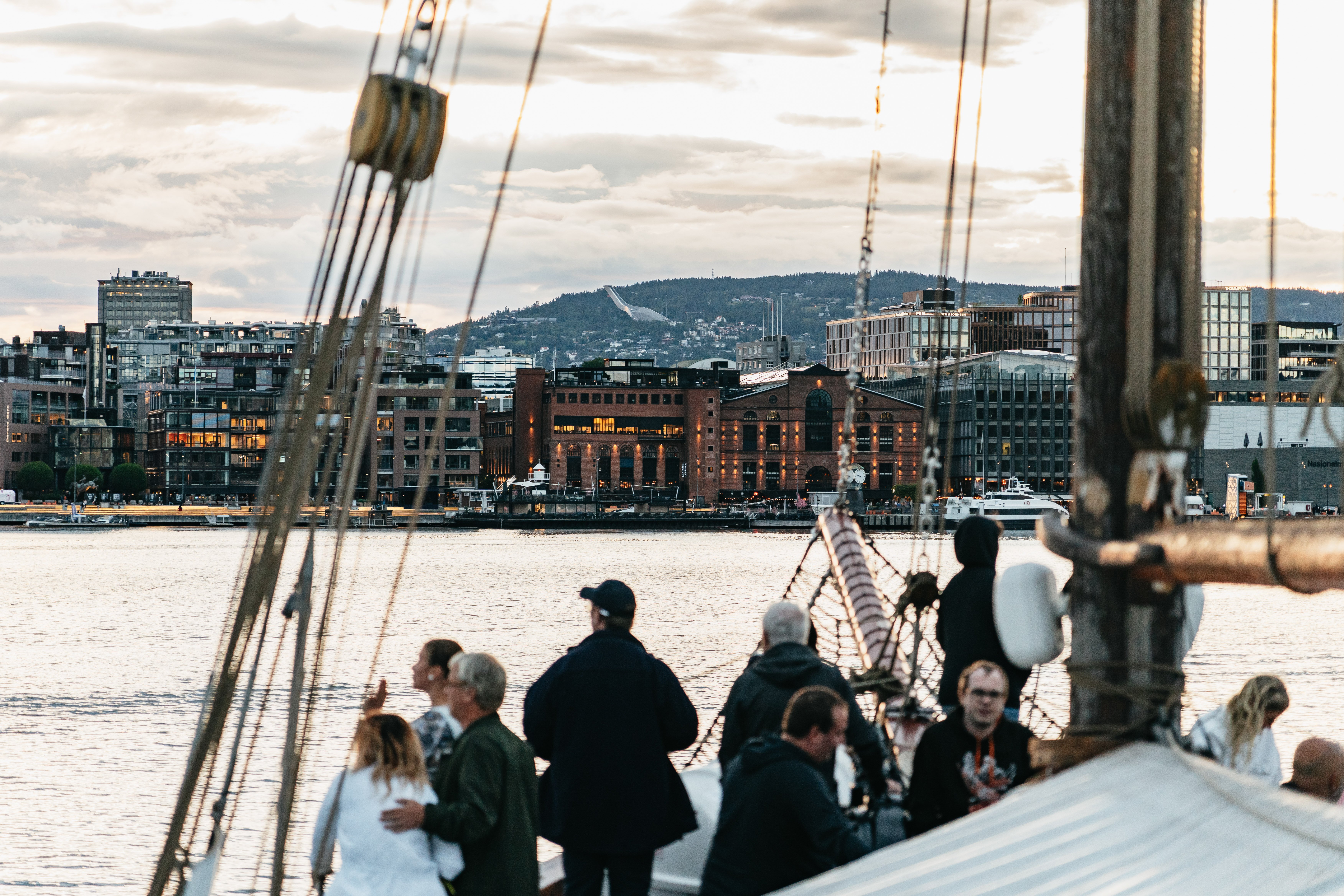
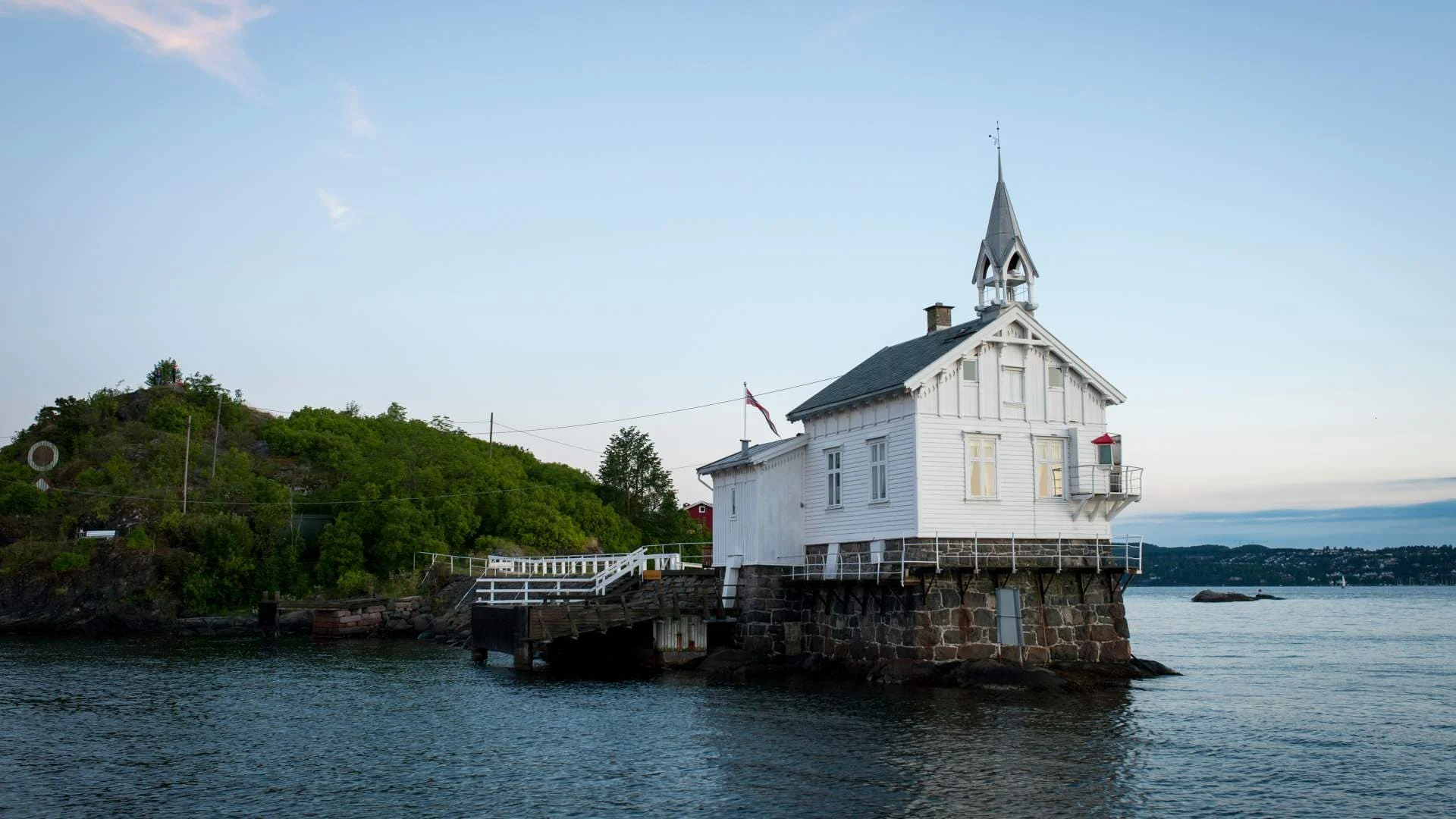
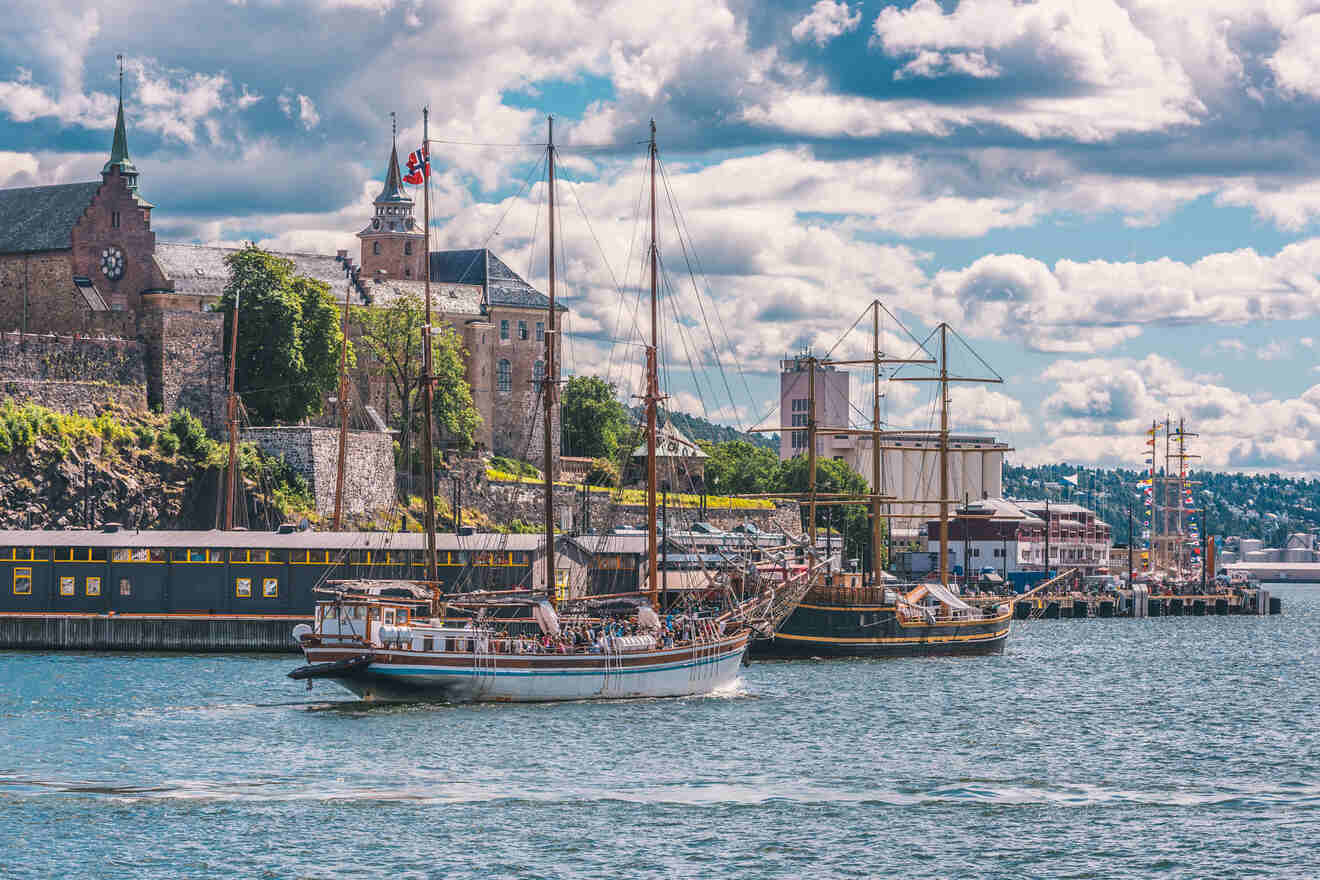
Guided excursions layer narrative onto the public ferry skeleton. Wooden sailing boats charter from Rådhusbrygge under canvas, three-hour loops that tack through the inner islands and anchor for swimming. Electric catamarans offer audio-guided circuits, multilingual commentary keyed to GPS waypoints as the boat passes Dyna Fyr lighthouse and the Oslofjord channel markers. Nature-walk hybrids combine ferry passage with guided hikes on Hovedøya's four-kilometre trail network, identifying coastal flora and explaining the monastic economy that once exported fish and timber. These oslo island hopping boat tour tours depart from the same quay—Rådhusbrygge 4—where public B-ferries dock every twenty minutes in high season, creating a layered traffic of leisure and necessity.
The fjord's shallow bathymetry and the archipelago's wind-sheltered channels mean calm water even when open ocean swells reach the outer skerries. Navigation is visual: captains steer by landmarks, not instruments, reading the gap between Bleikøya and Lindøya or the line of buoys marking the Gressholmen shallows. That clarity makes self-guided island hopping legible to first-time visitors who simply board the next ferry and disembark wherever the crowd thins.

Electric ferries began replacing diesel vessels in 2022, and by 2026 the entire inner-fjord fleet operates on battery power, silent except for the wake and the gulls.
Wear layered, windproof clothing since the fjord crossing is noticeably cooler than the city center even in September. Non-slip shoes are recommended for boarding the electric ferries and walking on uneven island jetties.
Bags are not screened before boarding, but crew may ask to see tickets and check that luggage does not block gangways or emergency exits. Keep bags small enough to hold on your lap or stow under the bench seating on the electric ferries.
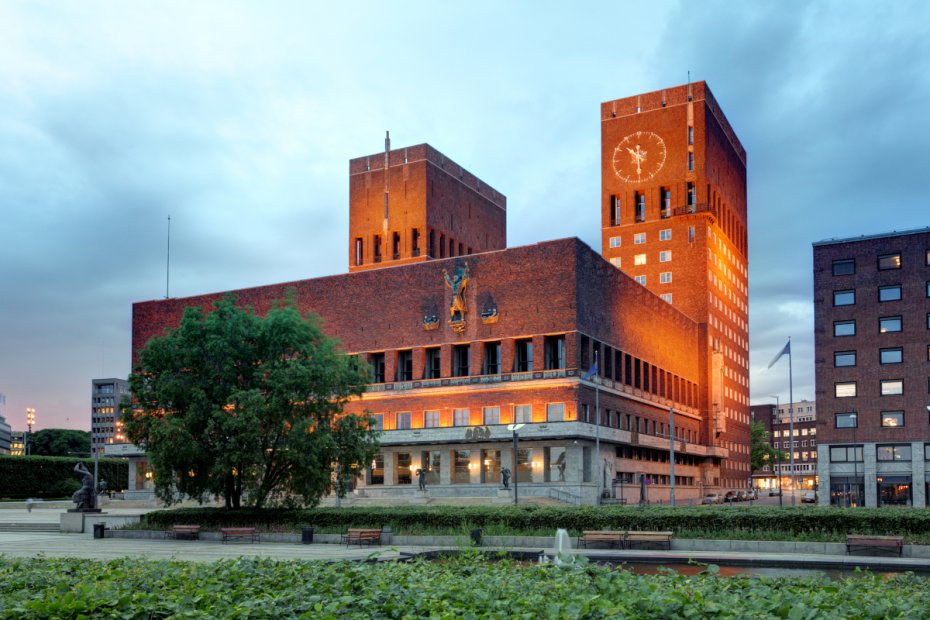
Photography is permitted freely on deck and at all island stops, including drone-free handheld shots of the Oslo waterfront and City Hall towers from the water. Tripods are discouraged in the open-deck areas when the ferry is at capacity.
Children travel on the same electric ferries as adults with supervised seating available in the covered cabin. Strollers fold easily into the marked luggage areas near the doors.
Most piers on the route, including Rådhusbrygge 4, have level boarding ramps and the electric ferries feature low-floor entry with designated wheelchair spaces. Not every island jetty is fully step-free, so travelers with mobility needs should check Ruter's real-time departure boards for confirmed low-floor vessels.
Passengers may bring sealed snacks and non-alcoholic drinks aboard, but there is no onboard café on most departures. Picnicking is allowed on several islands like Hovedøya and Gressholmen, though visitors must carry out all trash since bins are limited.
Ferries run all day, quiet before 09:00
Typically the lightest weekday traffic
Evening boats get busier with commuters
Weekend leisure crowds from mid-morning
Popular for island picnics in good weather
Opening hours
Daily 06:00–23:59, year-round ferry service
Opening hours
06:00 – 23:59
Getting there
City-center access via metro and bus
Accessibility
Most experiences are wheelchair-friendly — check individual tours
What to bring
Comfortable shoes, water, phone for mobile voucher
Public transport · 10-15 min from city center · 42 NOK Ruter zone 1 fare
Take any tram or bus to Nationaltheatret or Aker Brygge, then walk 5-8 minutes to Rådhusbrygge 4 piers 91-94.
Walk · 20-25 minutes · Free
From Oslo Central Station, walk along the harbor past Aker Brygge to reach the City Hall piers.
Bike · 8-10 minutes · Bike share fee applies
City bike stations near Rådhuset allow a short ride along the harborfront to the ferry piers.
Taxi · 5-10 min from most downtown hotels · Metered fare
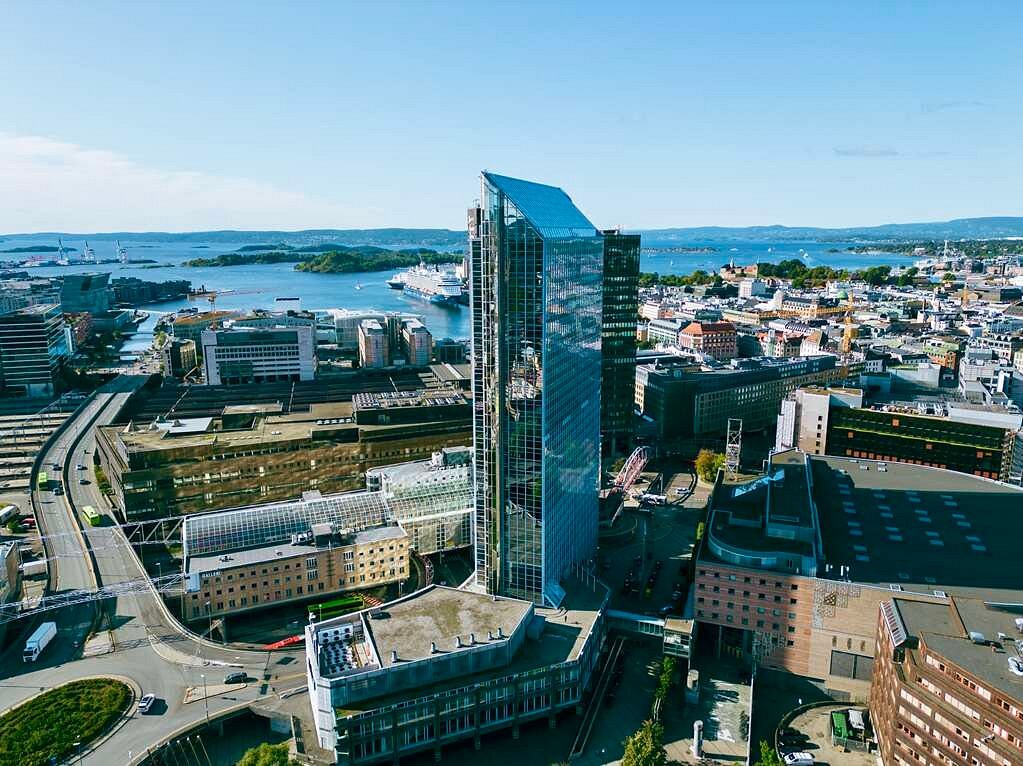
Taxis can drop passengers directly at Rådhusbrygge along the harbor promenade.
Ruter single tickets covering the fjord network are non-refundable once validated, but unused tickets can be cancelled up to departure. The standard zone 1 fare is 42 NOK and this figure does not change regardless of how many islands are visited on a single ticket.
Recommended time
4-6 hours
To experience a full oslo island hopping boat tour, plan for at least half a day to navigate between the various Oslo Fjord landmasses. Using the best arrival window of 06:00–10:00 is essential to secure outdoor seating on the electric ferries as commuters and sightseers arrive later. These oslo island hopping boat tour tours allow for leisurely walks along the shoreline, while oslo island hopping boat tour tickets provide flexibility to explore different quays at your own pace. For those seeking a guided oslo island hopping boat tour tour, expect a more structured itinerary that maximizes your time among the local archipelago landmarks.
Crowd levels through the day
Weather · crowds · average price — dots go green to amber to red as each metric rises.
May and early June bring mild days around 12-16°C with blooming island vegetation and thinner crowds than summer. Ferries run the same year-round hours but seating is easier to find.
Buy or activate your Ruter ticket in the app before reaching the pier since there are no gates to stop you but fines apply for riding without one.
Rådhusbrygge 4, 0160 Oslo, Norway
Main departure pier directly below Oslo City Hall, piers numbered 91-94
Get directionsThe Oslo fjord island hopping boat tour network traces its origins to 1838, when the first scheduled wooden steamboat began carrying timber workers and fishermen between Oslo harbor and the outer archipelago islands. By 1875, the Christiania Steam Kitchen Company operated a dozen routes, serving settlements on Hovedøya, Gressholmen, and Lindøya with daily cargo and passenger runs. The service nearly collapsed in 1904 when a fire destroyed the company's main pier at Aker Brygge, forcing a six-month suspension while engineers rebuilt the timber wharf in stone. In 1927, the newly formed Oslo Sporveier municipality transport authority absorbed the fragmented private ferry lines under a unified fare system. Electric ferries replaced coal steamers on the inner routes by 1934, cutting crossing times to Bygdøy from forty minutes to twelve. During the German occupation from 1940 to 1945, military requisitions halted civilian island hopping tours entirely; locals resorted to rowboats and illegal sailings to maintain contact with island communities. The postwar reconstruction introduced diesel-powered B-class ferries in 1952, designed by naval architect Fredrik Kayser to handle the shallow approaches to Nakholmen and Bleikøya. Ruter, formed in 2008 through a merger of Oslo and Akershus transport agencies, inherited the ferry network and began its conversion to battery-electric propulsion in 2018. The first zero-emission vessel, MS Fanafjord, entered service on the Rådhusbrygge-Hovedøya route in August 2019. By 2023, all twelve ferries in the inner fjord fleet operated on lithium batteries charged at automated shoreside stations. The standard Ruter zone 1 ticket remains valid across the entire public ferry system, preserving the 1927 principle of integrated municipal transport pricing. Today's oslo island hopping boat tour tickets grant access to nineteen stops across the archipelago, following routes largely unchanged since the 1875 steam era.
First scheduled steamboat connects Oslo harbor to outer archipelago islands.
Christiania Steam Kitchen Company operates twelve routes serving Hovedøya, Gressholmen, and Lindøya.
Oslo Sporveier unifies fragmented ferry lines under single municipal fare system.
German occupation halts civilian tours; islanders use rowboats for clandestine crossings.
Diesel B-class ferries designed by Fredrik Kayser enter service on shallow-water routes.
Ruter transport authority formed, inheriting Oslo fjord ferry network.
First battery-electric ferry MS Fanafjord launches on Rådhusbrygge-Hovedøya route.
All twelve inner fjord ferries converted to zero-emission electric propulsion.
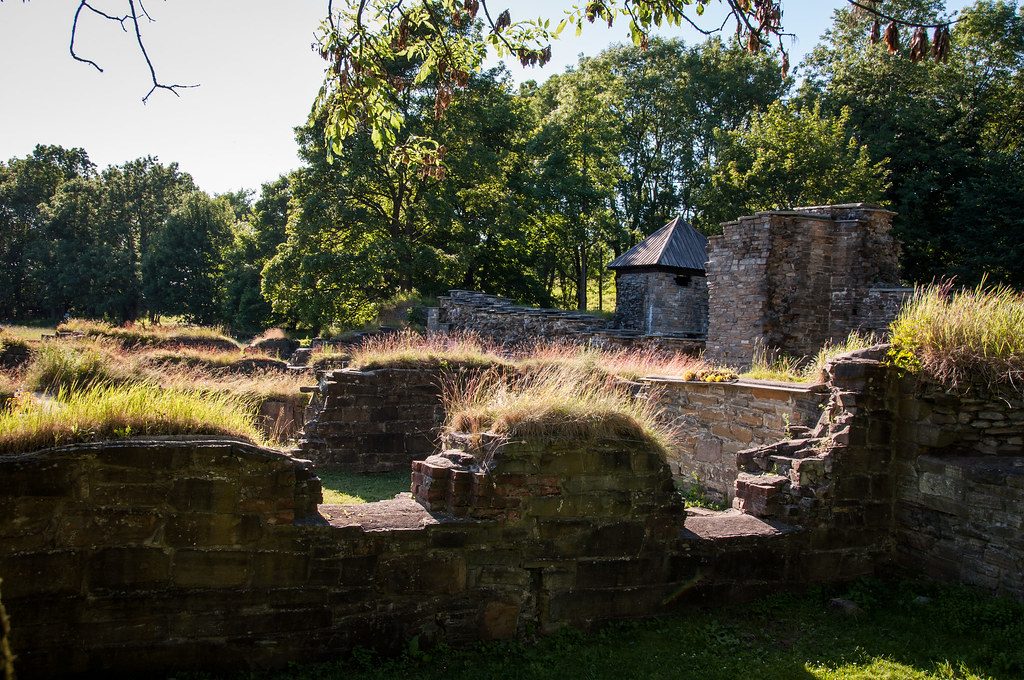
Capture the weathered stone walls framed by tall grass and coastal pine trees. Stand near the central nave to frame the archways against the blue Oslo Fjord waters.
Focus on the iconic striped bathing cabins located along the pebbled coastline. The viewpoint from the wooden boardwalk provides a clear shot of the horizon.
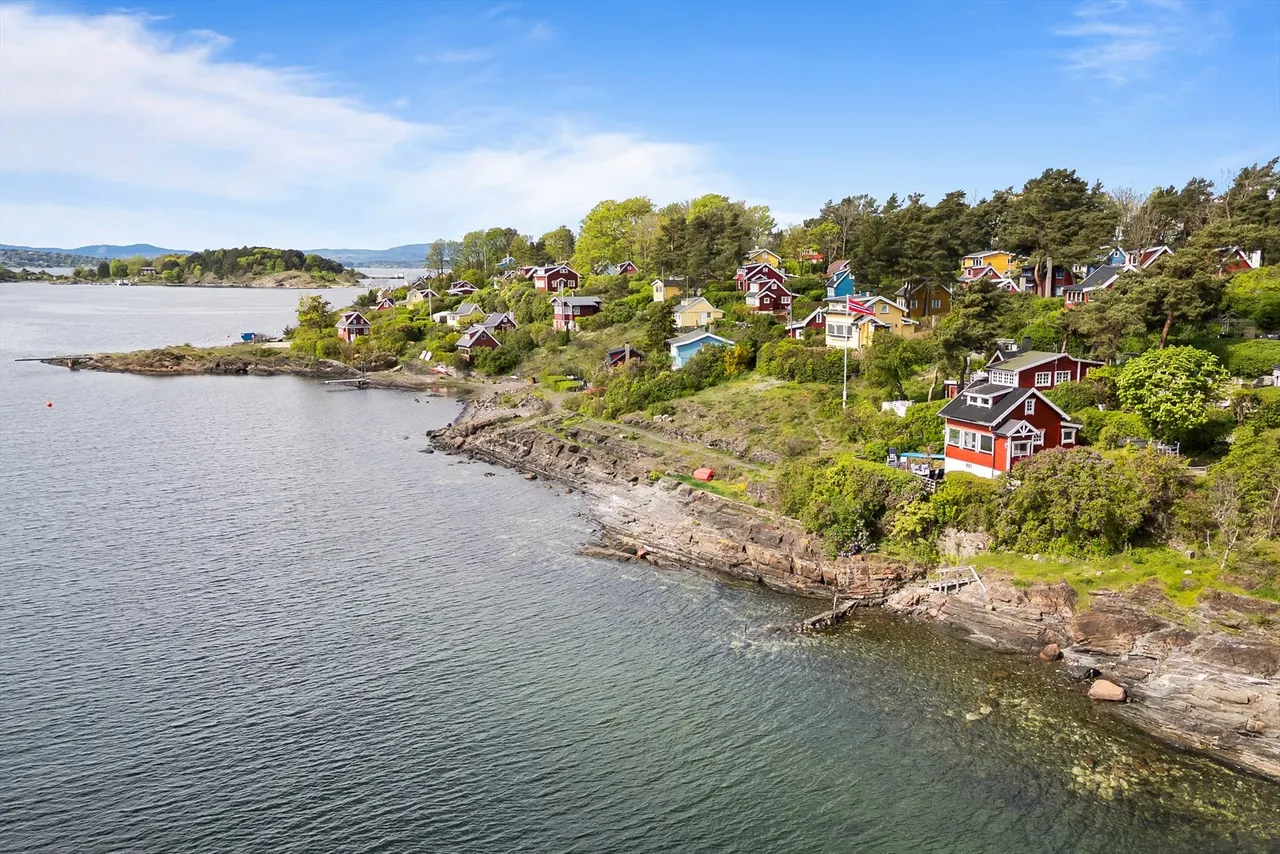
This vantage point offers a perspective of the colorful wooden houses scattered across the hillside. Position your camera to include the reflections in the calm harbor basin.
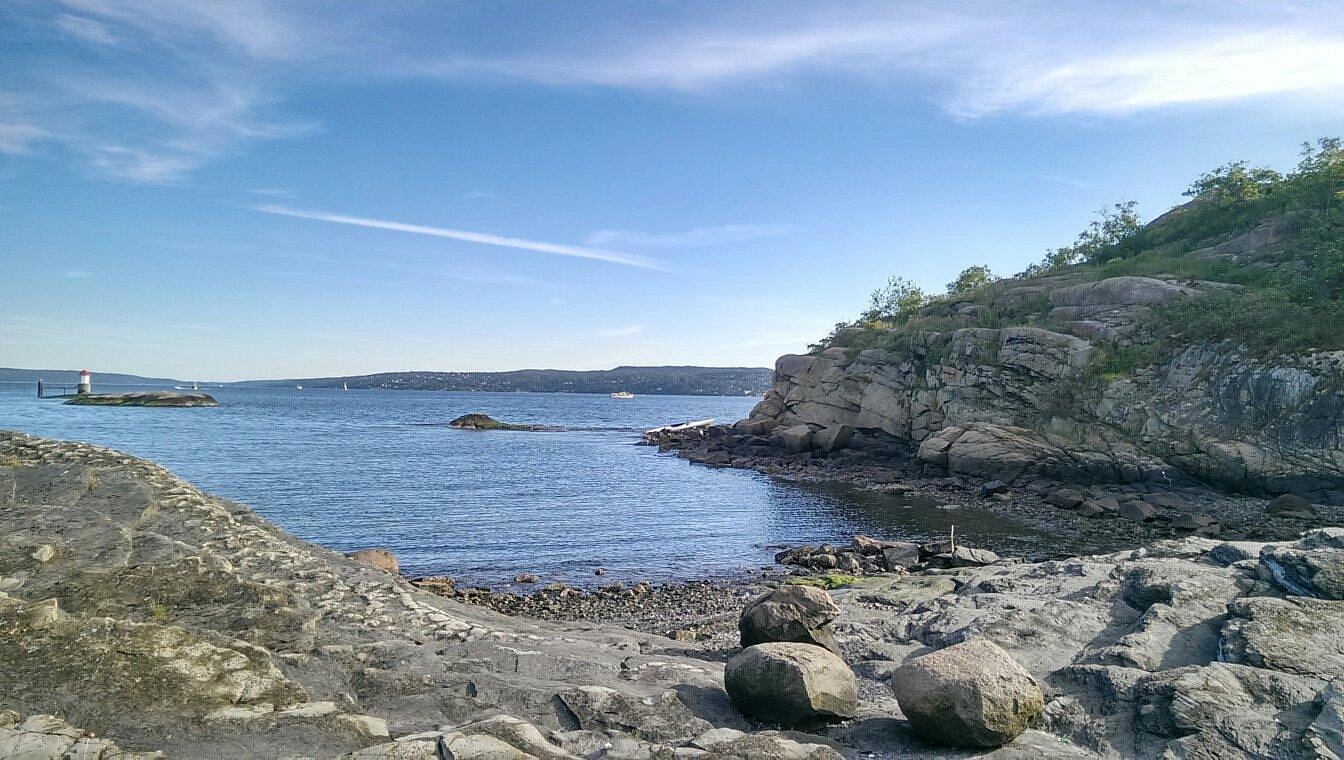
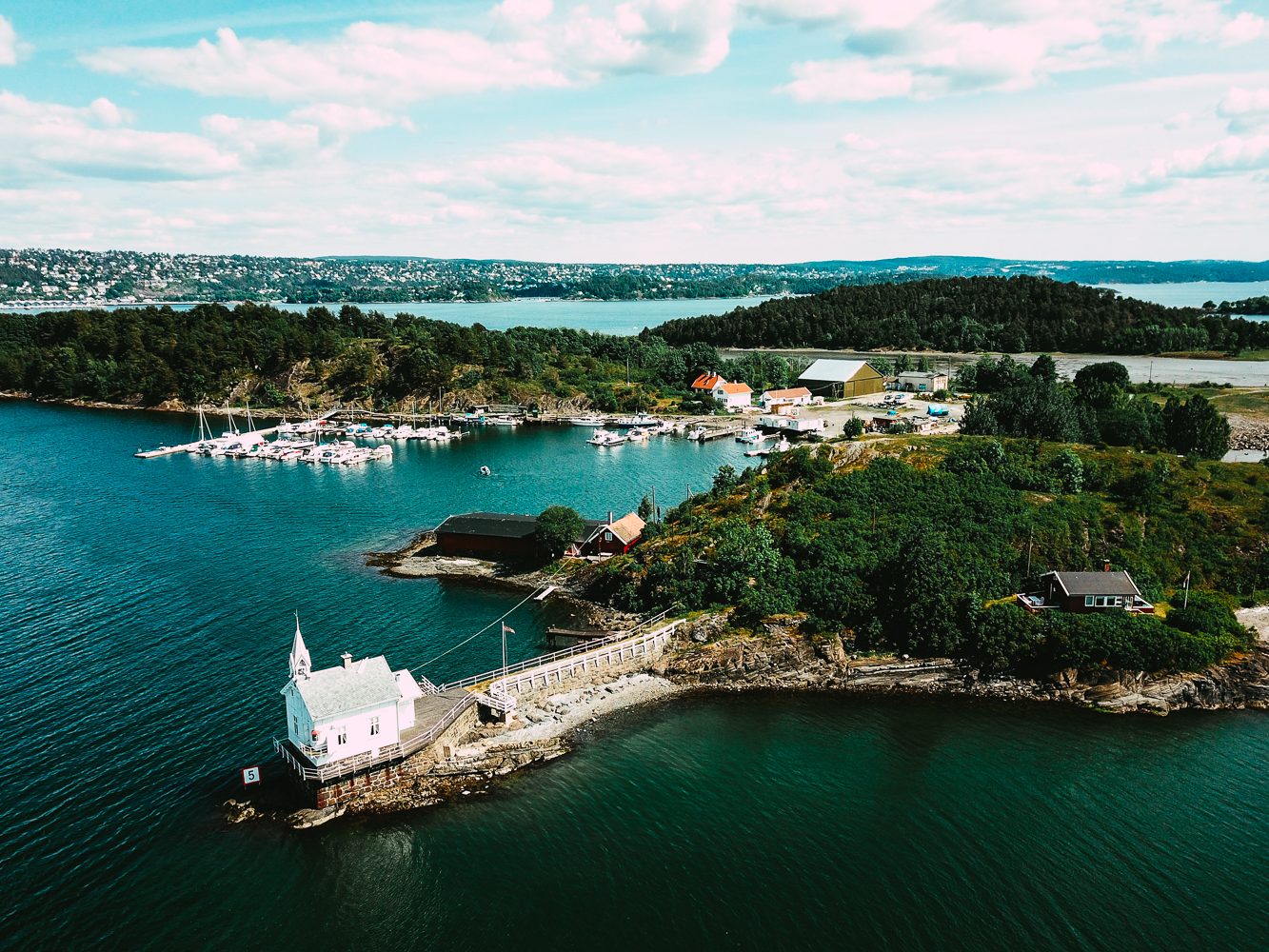
Photograph the rugged shoreline and dense forest trails that define this island. Find the rocky outcrops near the southern tip for wide-angle shots of the surrounding archipelago during your oslo island hopping boat tour.
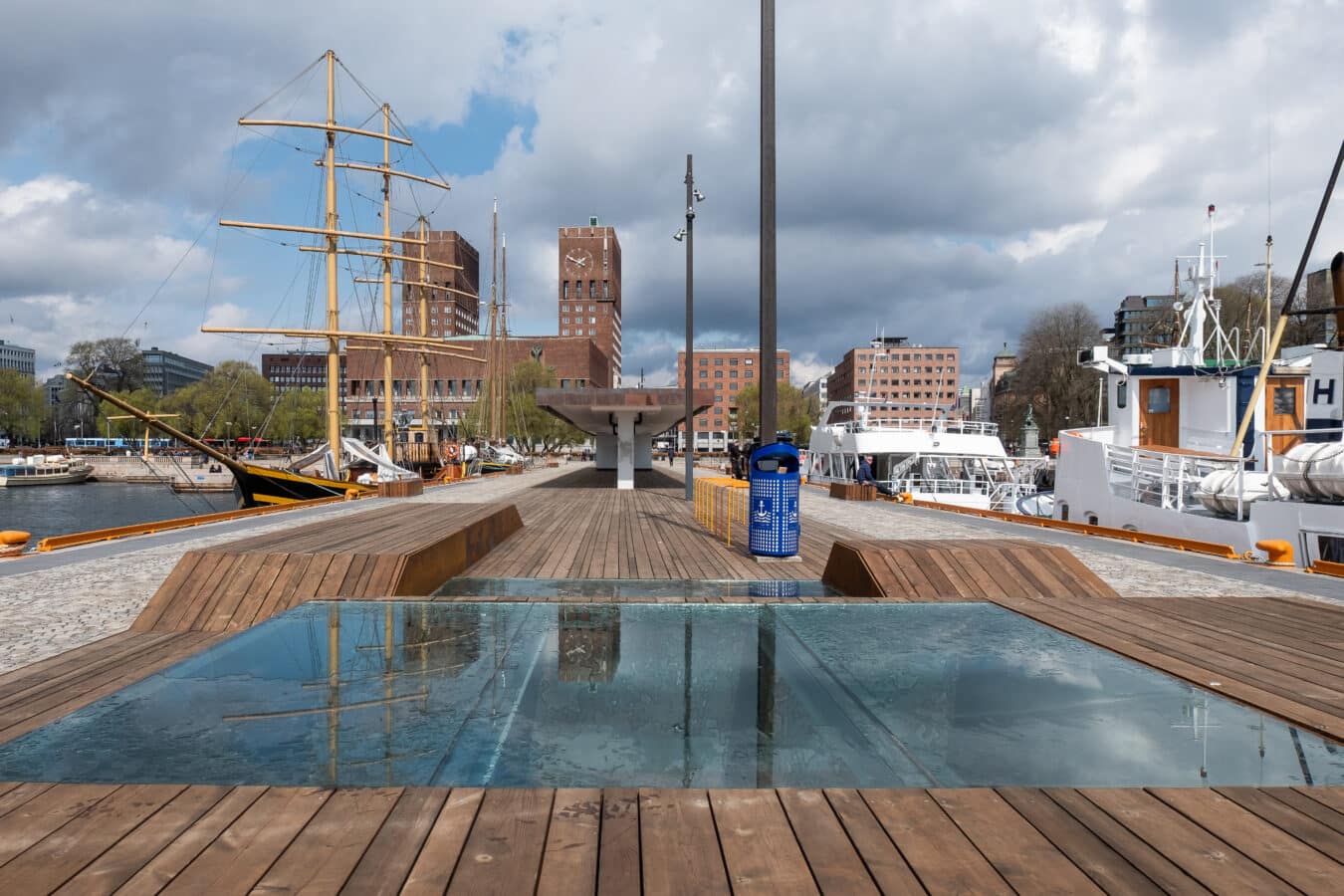
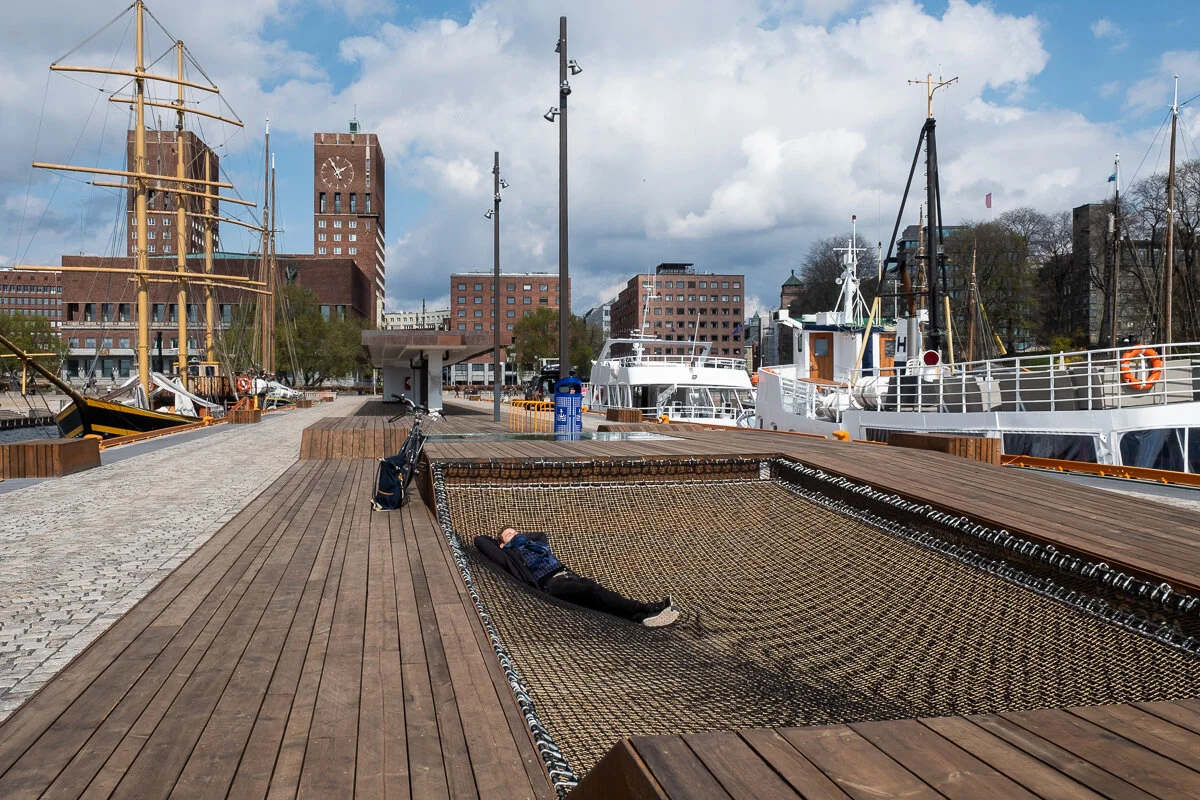
The main dock area serves as the starting point for oslo island hopping boat tour tickets and provides a backdrop of the city hall. Use the leading lines of the pier to guide the viewer toward the departing electric ferries.
Exploring the archipelago via an oslo island hopping boat tour is a practical way for families to enjoy the sea air and open spaces. These public ferries provide a smooth experience for parents navigating the Oslo Fjord with children.
The electric ferries accommodate strollers easily, allowing you to roll directly from the pier onto the deck without lifting. This makes the local ferry tours accessible for families with infants or young toddlers who need a mobile nap space.
Children of all ages enjoy the short crossings, though the islands of Hovedøya and Langøyene are particularly popular for toddlers due to their calm beaches and open grassy areas. You can secure oslo island hopping boat tour tickets easily for a flexible itinerary that fits your child's nap schedule.
While onboard amenities are basic, the piers at Rådhusbrygge 4 provide a reliable starting point with nearby public restrooms. Parents should pack essential snacks and supplies before boarding any oslo island hopping boat tour tour, as onboard vending options are limited.
Given the frequent departures, you can customize your family day by spending a few hours exploring a nature trail before hopping to the next stop. Consider the oslo island hopping boat tour tours as a hop-on hop-off adventure that lets you retreat back to the city center whenever the group needs a break.
Food service on the islands themselves is limited and seasonal, so most travelers on an oslo island hopping boat tour either pack a picnic or eat before boarding at Rådhusbrygge. Aker Brygge, right by the pier, has plenty of grab-and-go options if you want to stock up first.
Waterside spot open primarily in summer months serving fish soup and simple Norwegian plates; check ahead off-season as hours shrink and it can close entirely in colder months.
A cluster of casual counters near Rådhusbrygge 4 selling sandwiches, sushi and coffee, useful for building a picnic before hopping on the ferry; busiest around lunch on weekdays.
Sit-down seafood option on the Aker Brygge waterfront near the departure point, good for a proper meal before or after your islands route; reservations recommended on weekend evenings.
Small newsstand-style kiosks near the ferry docks sell snacks, drinks and ice cream, handy for topping up a self-packed lunch since island cafes cannot be relied upon outside peak summer.
Everything you need to know for your journey
The ferries operate daily from 06:00 to 23:59, covering the full public network across the Oslo Fjord islands.
Most piers, including the main Rådhusbrygge 4 departure point, offer step-free ramps, and the electric ferries have low-floor boarding, though not every island jetty is fully accessible.
Glass bottles, open flames, barbecue equipment, fireworks, and oversized luggage are among the items not allowed aboard.
Yes, photography is permitted throughout the crossing and on all islands, though tripods should be avoided on crowded decks.
Arriving between 06:00 and 10:00 avoids the mid-day crowds and improves your odds of seating on the electric ferries, especially in the current autumn shoulder season.
No formal dress code exists, but windproof layers and non-slip shoes are strongly recommended for the open-deck sections.
Sealed snacks and non-alcoholic drinks are allowed on board, and picnicking is common on islands like Hovedøya and Gressholmen.
The departure pier is at Rådhusbrygge 4, 0160 Oslo, reachable by a short walk from Nationaltheatret or Oslo Central Station, or by tram and bus to Aker Brygge.
Yes, children can join the island hopping boat tour, with stroller space near the doors and supervised cabin seating on the electric ferries.
Ruter tickets can be cancelled unused before departure, and the standard zone 1 fare of 42 NOK applies uniformly across the network regardless of how many islands you visit.
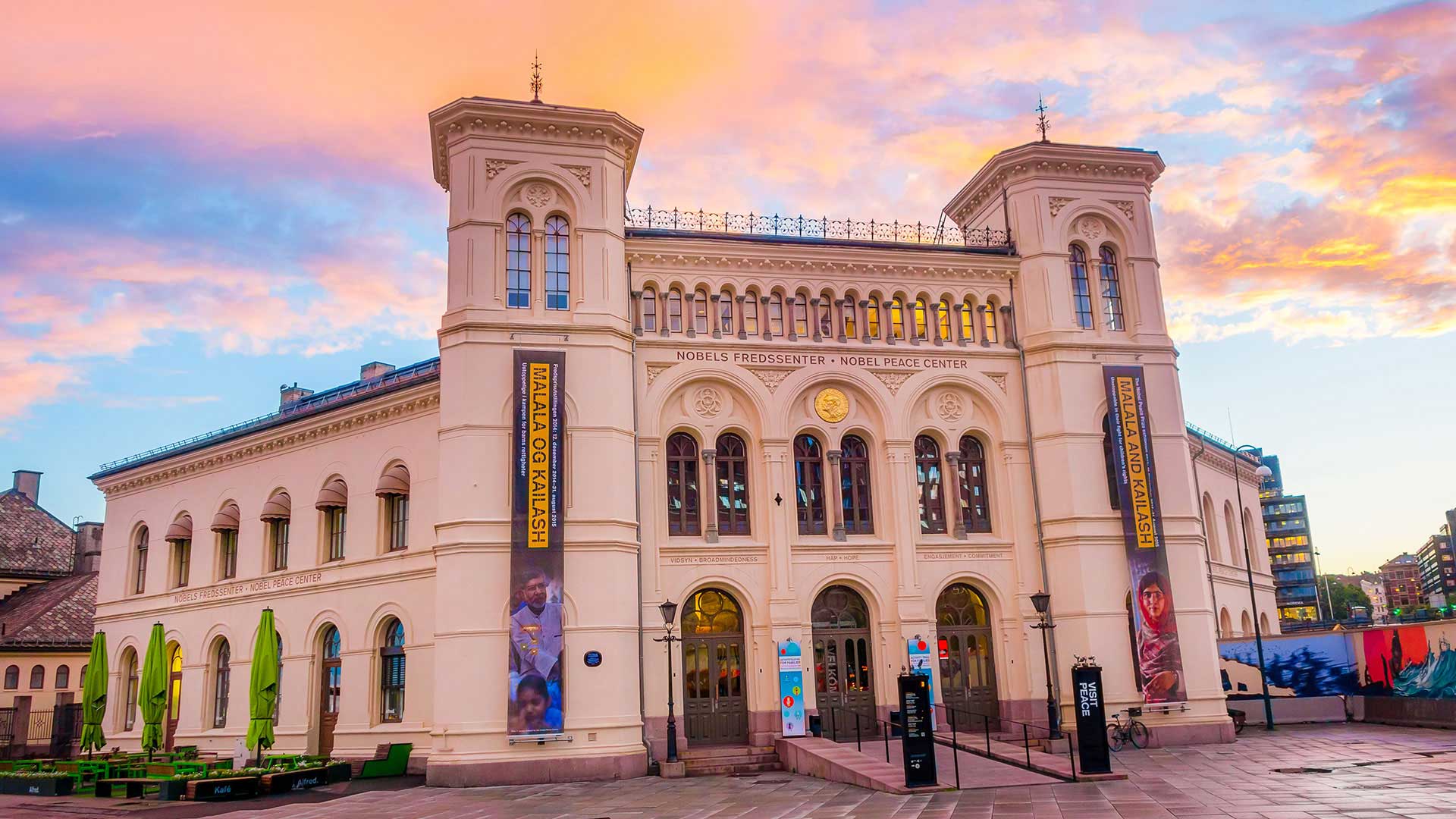
Oslo City Hall, Akershus Fortress, and the Nobel Peace Center are all within a 10-minute walk of the ferry piers and combine naturally with a fjord island tour.
Tickets are validated per journey rather than reserved by time slot, so travelers can board the next available electric ferry without a fixed booking window.
The twin brick towers overlooking the piers house murals and host the annual Nobel Peace Prize ceremony.
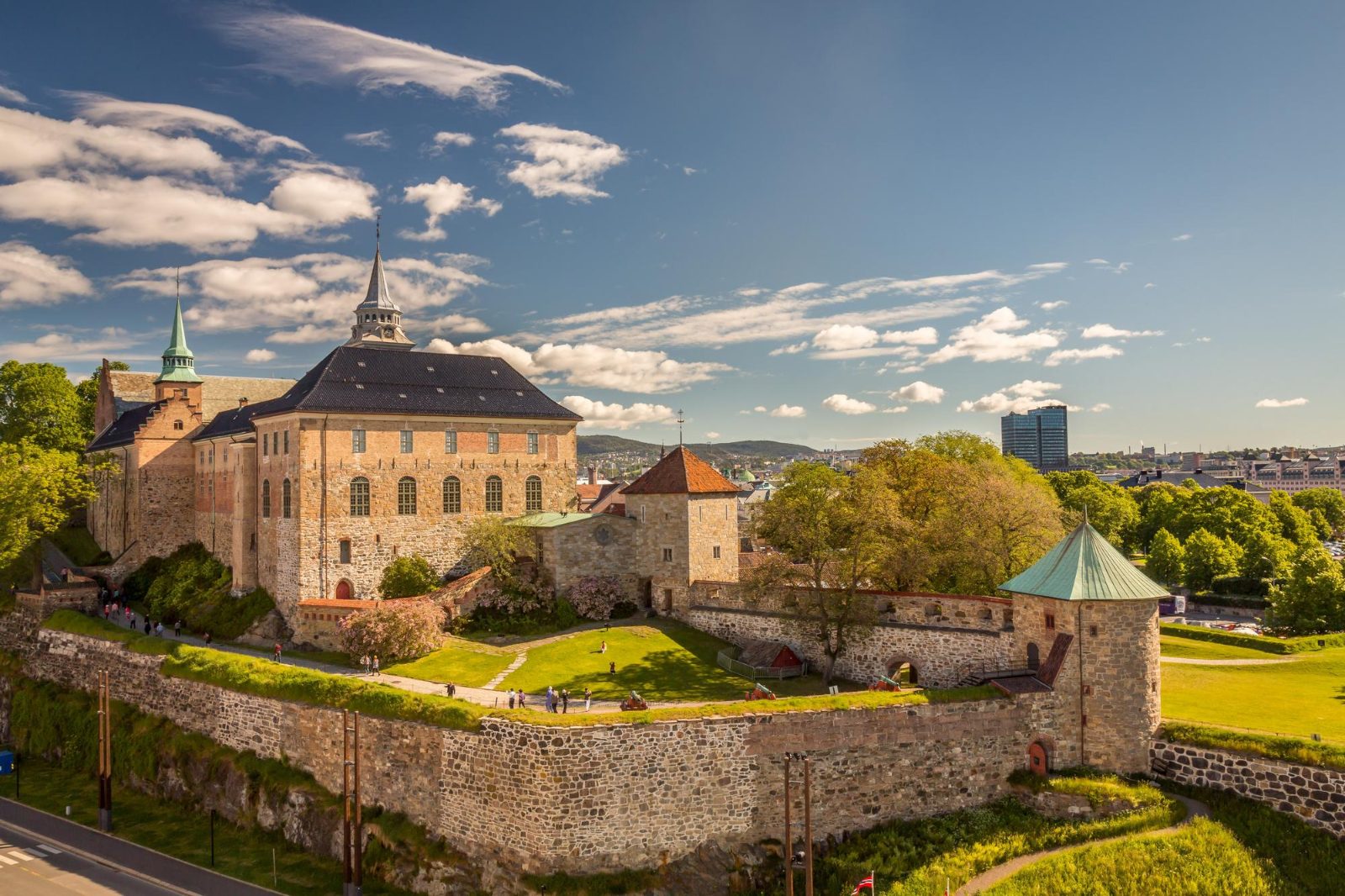
A medieval fortress and castle complex overlooking the harbor, still used for state ceremonies.
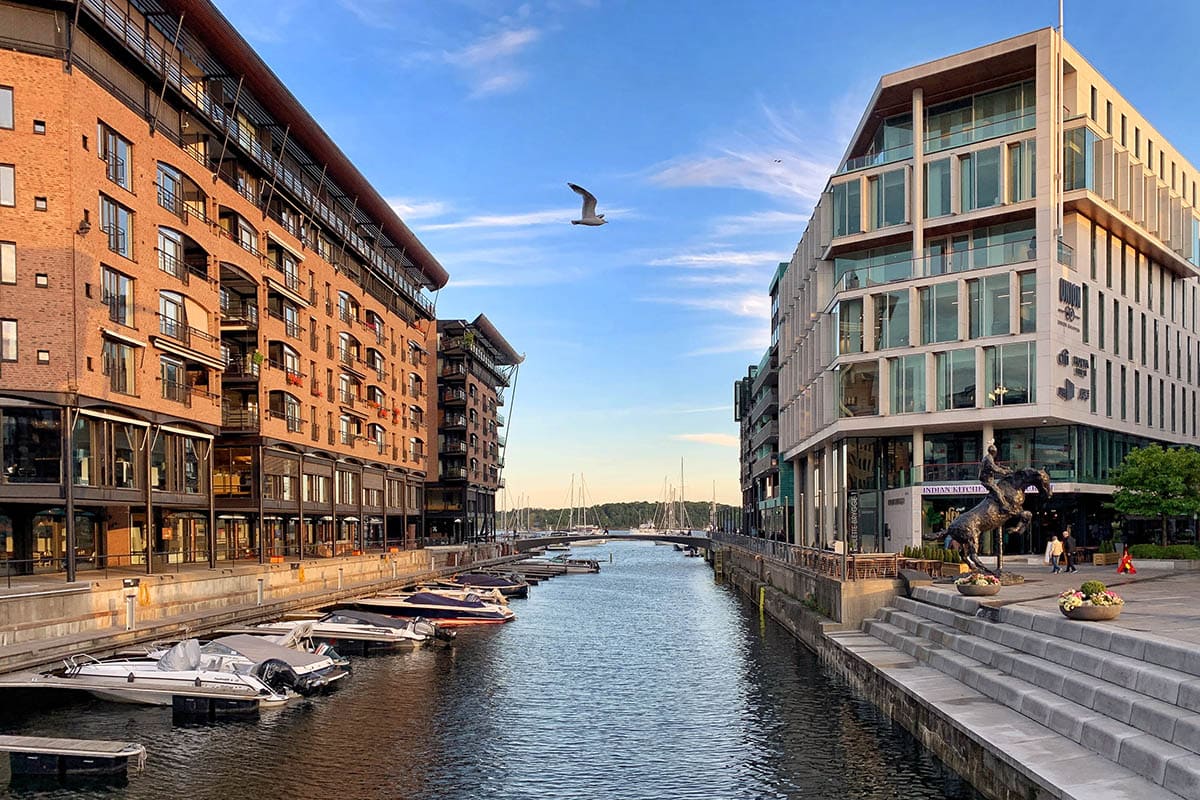
A former shipyard turned waterfront dining and shopping promenade along the fjord.
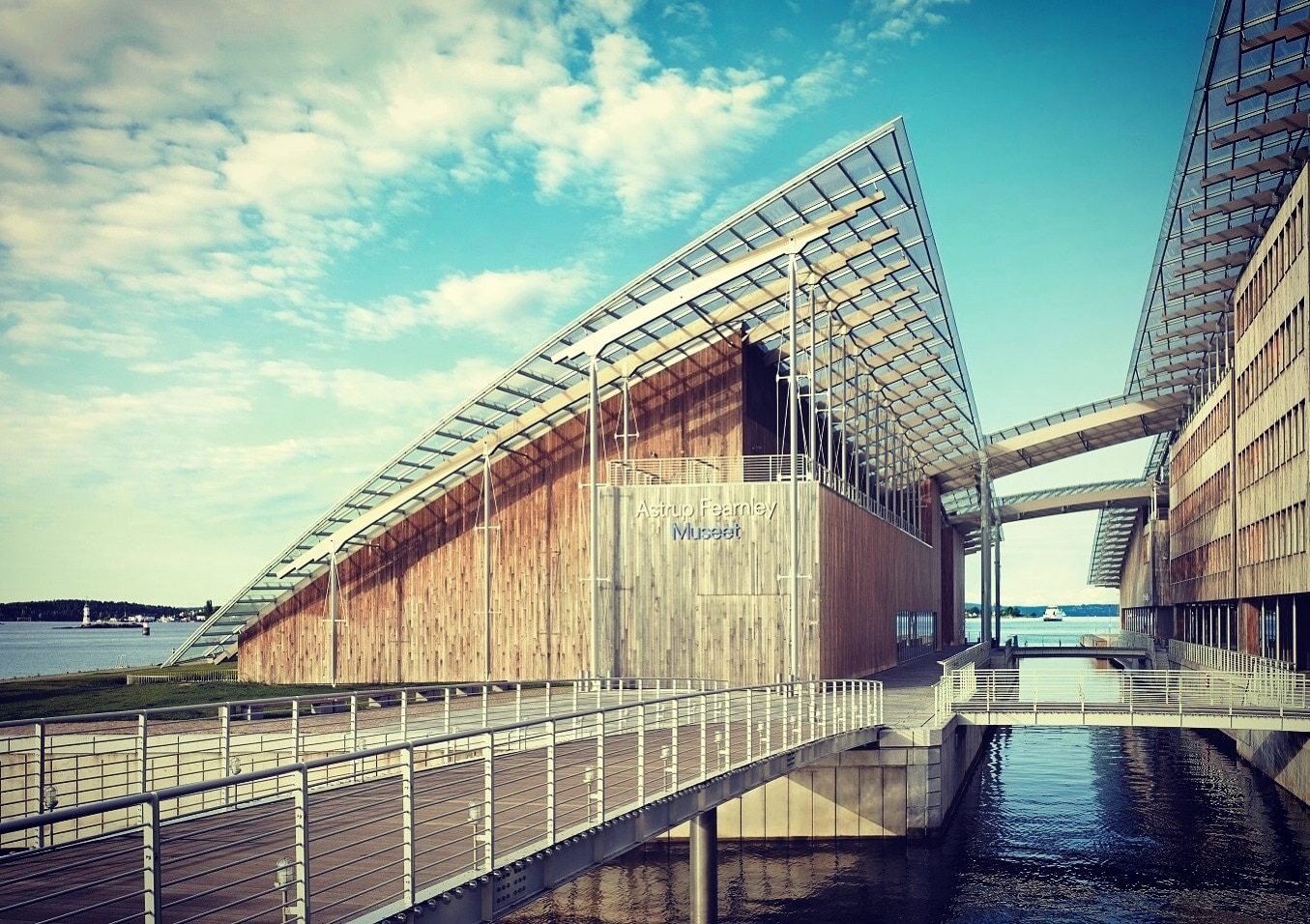
A contemporary art museum with a distinctive glass-sailed roof on Tjuvholmen.
Housed in a former railway station, the center exhibits the history of the Nobel Peace Prize.
A high-rise hotel near the palace gardens with fjord-facing upper floors.
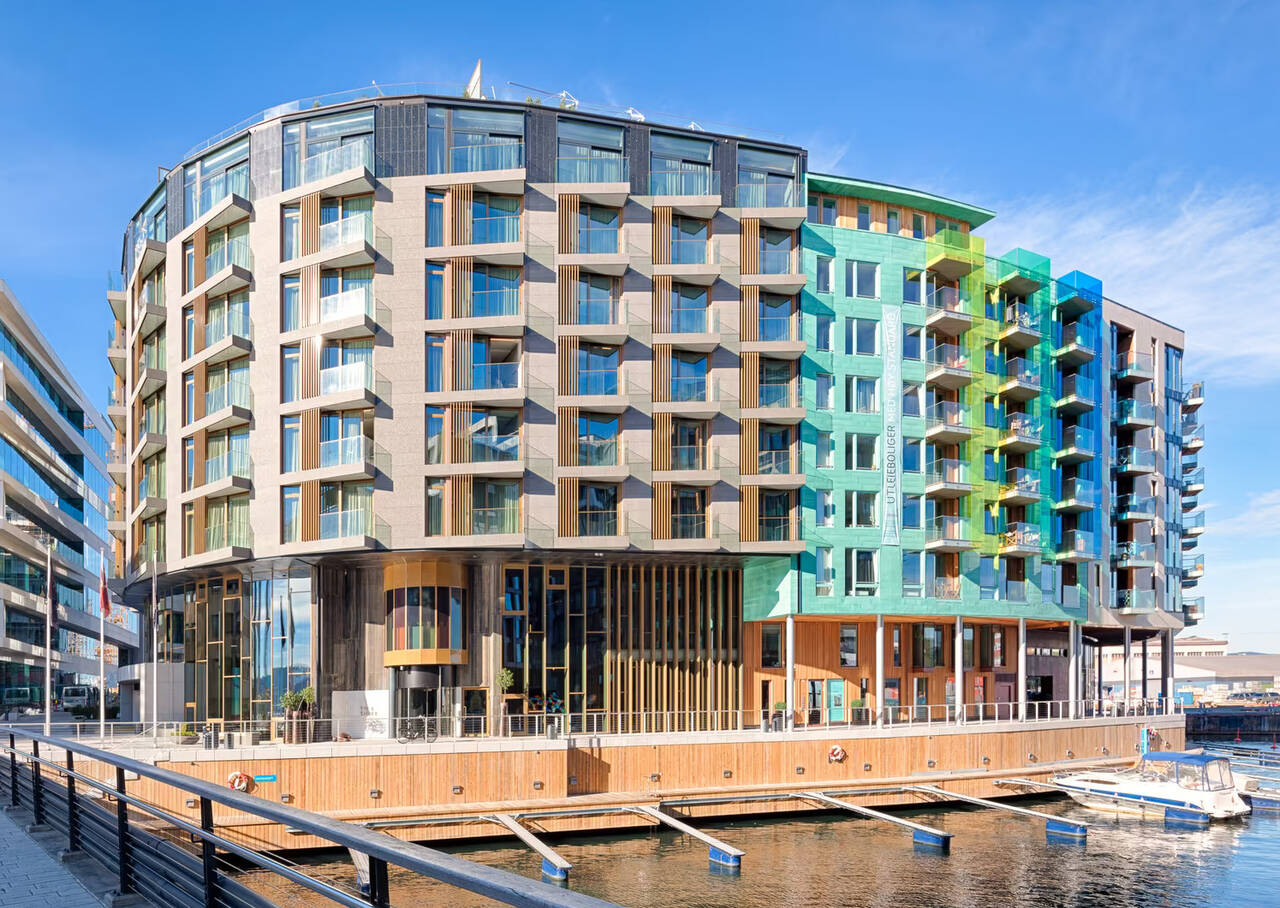
A design-focused hotel on Tjuvholmen steps from the waterfront art scene.
A no-frills budget chain option near the central station.
A waterfront district with numerous mid-range hotels and serviced apartments.
Join thousands of happy travelers who have discovered this incredible experience
Book Your Experience Now