

Quick answer
Access to islands near Oslo is free year-round, operating 24 hours daily. You pay only for Ruter ferry transport from Aker Brygge or Vippetangen piers. Hovedøya runs the most frequent service, with departures every 30 minutes in summer and hourly off-season. Lindøya and Gressholmen share a route with less frequent sailings, typically every 60-90 minutes depending on the season.
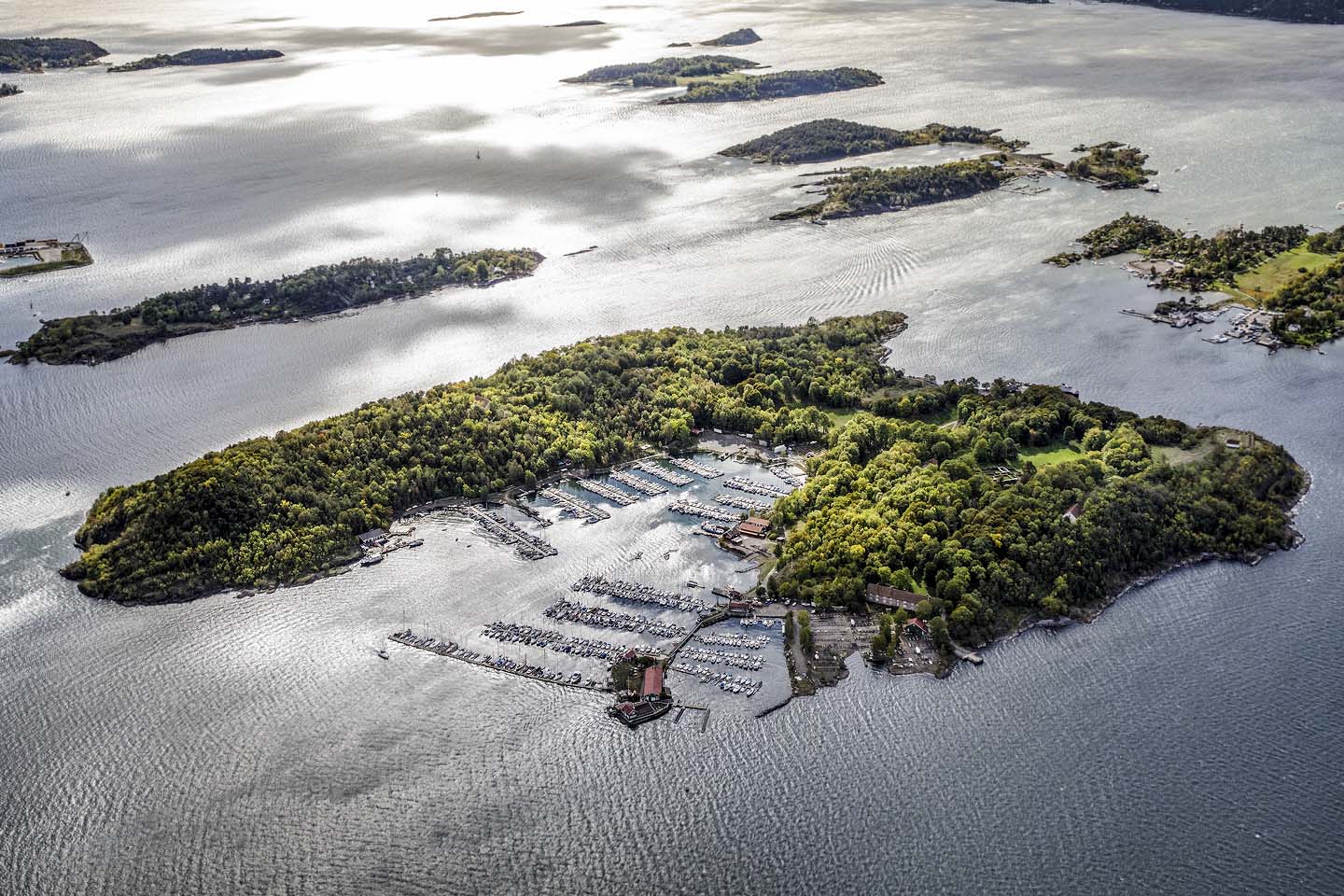
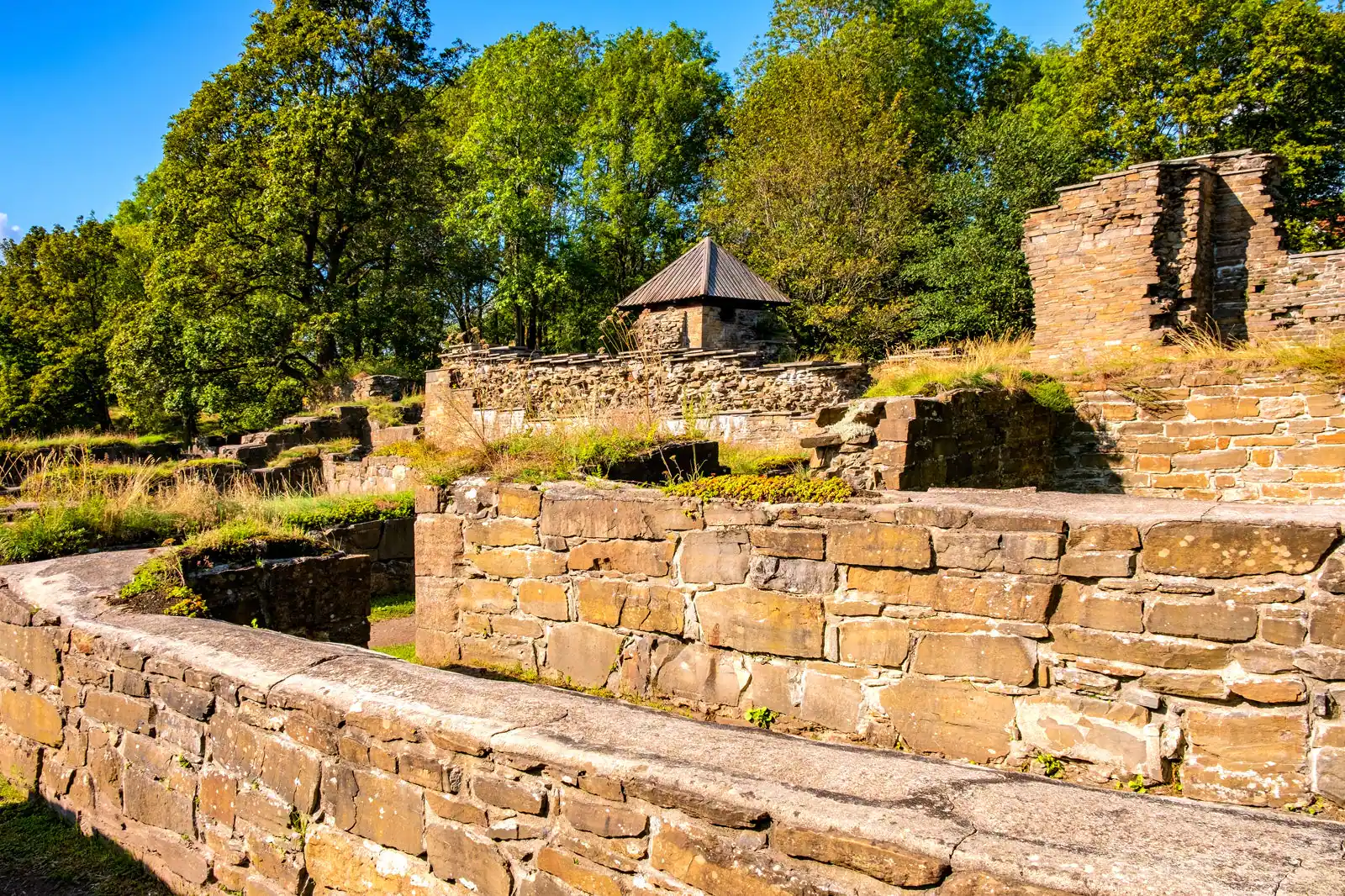
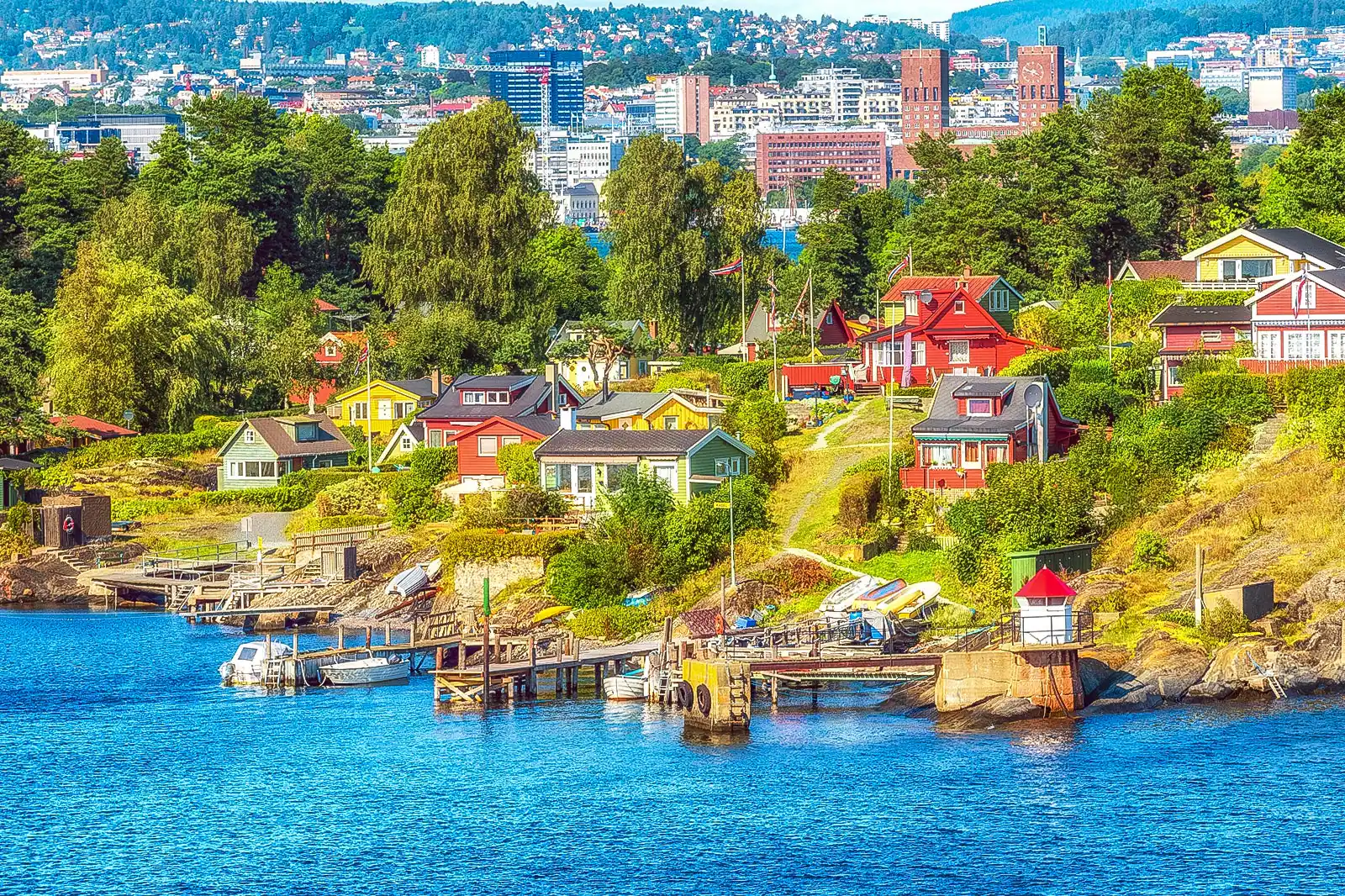
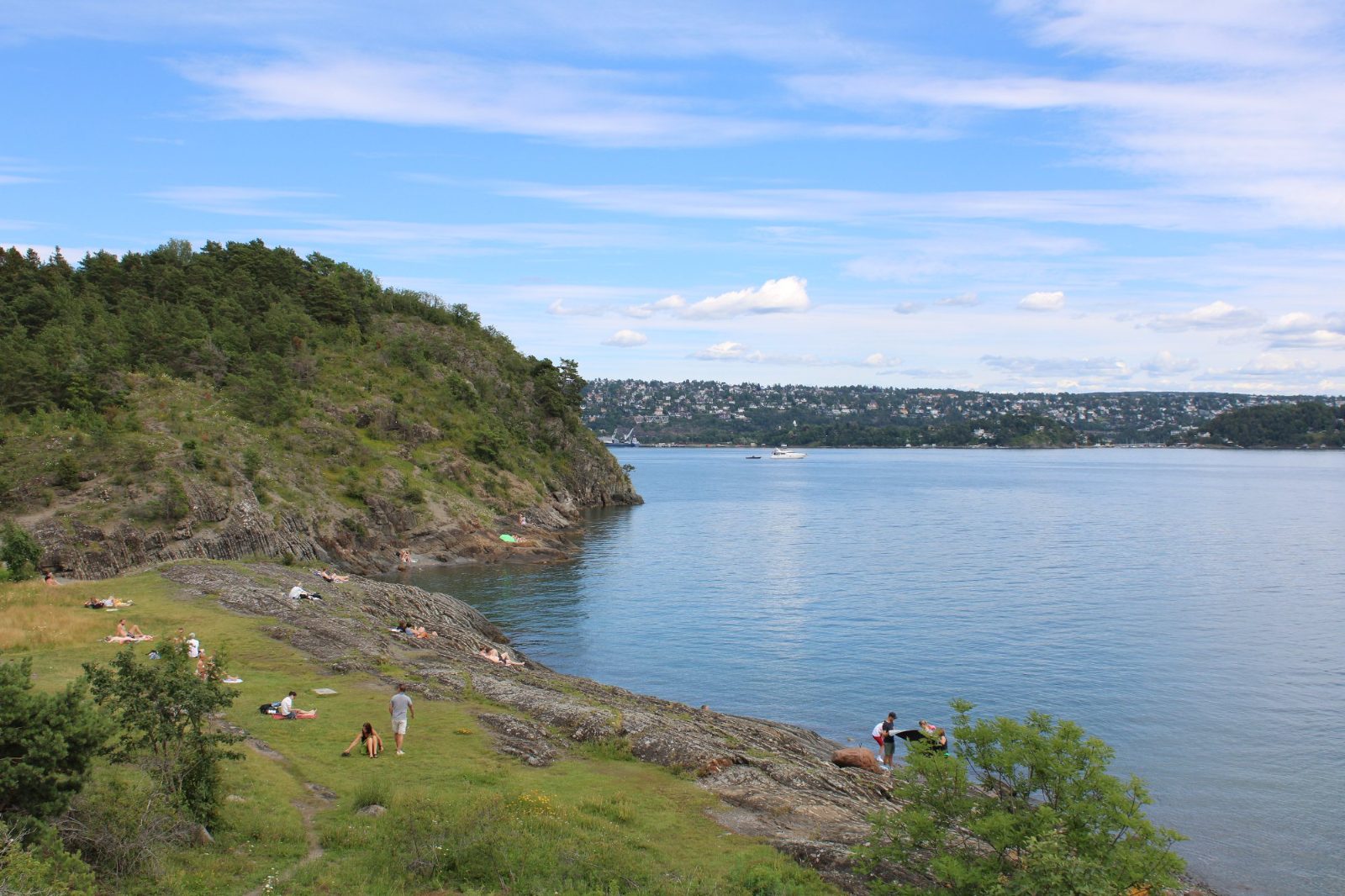
Hovedøya holds the remains of a Cistercian monastery founded in 1147, the oldest standing stone structure in Oslo. The island's eastern shore opens onto shallow swimming coves, while the western cliffs face the shipping channel where cargo vessels pass within a few hundred meters of the hiking trails. The Oslo Fjord archipelago stretches across 40 square kilometers of protected waterway, with Hovedøya serving as the most accessible and visited island. Lindøya functions as a permanent settlement of wooden cottages, most dating to the early 1900s when factory workers built summer cabins on leased plots. Gressholmen offers a grass airstrip from the 1920s, now used by model aircraft clubs, and a pebble beach that catches afternoon sun. Ruter ferries connect all three islands to the mainland using the same ticketing system as city buses and trams, making island hopping oslo straightforward for visitors already holding a day pass. Ferry schedules compress in autumn and winter, with the last departures leaving the islands by early evening. Summer extends service until past 22:00, allowing visitors to catch the long Nordic twilight from the rocky shorelines. Hovedøya sees the heaviest foot traffic near the ruins and the main beach, but the northern trail loop remains quiet even on weekends. Lindøya restricts non-residents from walking beyond the pier area to preserve privacy for cottage owners. Gressholmen permits full island access, including the bird observation point at the southern tip where terns nest in May and June. Visitors planning multi-island routes should check current Ruter timetables before departure, as ferry frequency varies by season and weekday versus weekend schedules. The archipelago remains open for camping on Hovedøya only, in designated zones near the eastern beach. All other islands prohibit overnight stays except for property owners on Lindøya.
“Hovedøya holds the remains of a Cistercian monastery founded in 1147, the oldest standing stone structure in Oslo.”
Ferry Transport to Islands Near Oslo
The islands in the inner Oslo Fjord are served by the public ferry network operated by Ruter. Ferries depart from Aker Brygge, located in central Oslo, providing consistent transit to the various island destinations.
B1 (Aker Brygge to Hovedøya)
B1/B2 (Aker Brygge to Gressholmen)
B1 (Aker Brygge to Lindøya)
Operating Hours for Islands Near Oslo
The islands in the Oslo Fjord are accessible throughout the week via the ferry system operated by Ruter. Public access to these areas remains available at all times.
| Monday | 00:00–23:59 | |
|---|---|---|
| Tuesday | 00:00–23:59 | |
| Wednesday | 00:00–23:59 | |
| Thursday | 00:00–23:59 | |
| Friday | 00:00–23:59 | |
| Saturday | 00:00–23:59 | |
| Sunday | 00:00–23:59 |
Entrance Fees for Islands Near Oslo
Access to the Oslo Fjord islands is free of charge for all visitors. Travelers only need to purchase valid public transport tickets for the ferry crossings.
A typical adult pays 0 NOK for island access, with total costs depending solely on the specific Ruter public transport ticket purchased for ferry travel.
Best Time to Visit Islands Near Oslo
The most effective way to experience the Oslo Fjord islands is during the best arrival window of 09:00–12:00, which ensures lower ferry density and maximizes daylight hours for exploration.
Summer (June–August)
High peak demandWarm, 18°C–22°C; long daylight hours
The most popular period for swimming and hiking with frequent ferry service.
Shoulder (May & September)
Moderate visitor numbersMild, 12°C–17°C; crisp air
Ideal for walking trails without the congestion of the peak summer months.
Weekday mornings
Lowest ferry congestion—
Visiting midweek between 09:00–12:00 provides the quietest experience on both the boats and the island paths.
Verdict: For the quietest experience, aim for weekday mornings in May or September, arriving between 09:00–12:00.
Key Highlights of Islands Near Oslo
The islands of the Oslo Fjord offer distinct landscapes ranging from historic ruins to protected nature reserves. Each island provides unique access to the water and varying perspectives of the surrounding coastline.
Hovedøya
Known for the ruins of a 12th-century Cistercian monastery and diverse vegetation. The island combines cultural history with walking paths through meadows and forests.
Follow the signs from the ferry pier to the monastery ruins.
Lindøya
Characterized by its collection of small, colorful wooden summer cabins. The island features designated swimming areas and well-maintained footpaths along the shore.
Walk to the southern side for clear views of the fjord.
Gressholmen
A nature reserve recognized for its rich bird life and grassy landscapes. It provides expansive areas for coastal walks and picnics away from urban development.
Visit the quiet eastern shore to observe local bird species.
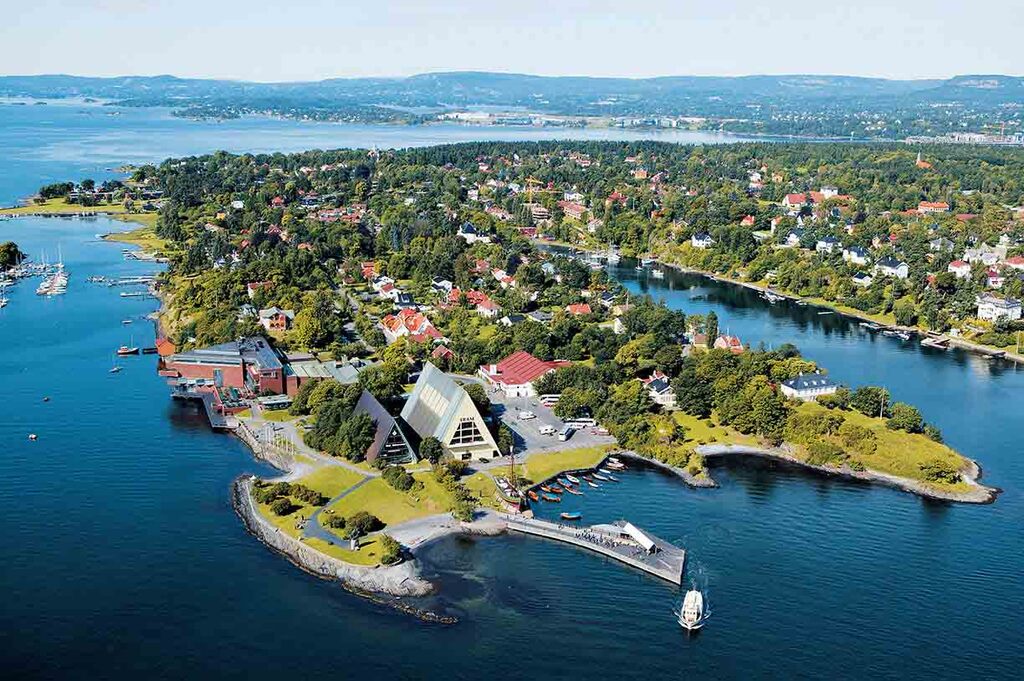
Bygdøy
Often noted for its high concentration of museums and cultural institutions near the water. It offers extensive parklands and trails that connect to various beaches and seaside spots.
Explore the forested paths leading toward the Hukodden beach area.
Pre-Visit Checklist for Islands Near Oslo
A few simple preparations will help you make the most of your island visit.
-
Check the Ruter ferry schedule — Services run regularly but vary by season and weather conditions.
-
Download the Ruter app before departure — Purchase ferry tickets digitally and access live departure times.
-
Pack swimwear and a towel — Many islands have beaches and swimming spots accessible from May through September.
-
Bring your own food and drinks — Only a few islands have cafés and kiosks with limited opening hours.
-
Wear comfortable walking shoes — Island trails range from easy paths to rocky terrain requiring sturdy footwear.
-
Carry a refillable water bottle — No shops on most islands so bring sufficient water for your visit.
-
Check weather forecasts the day before — Exposed island conditions can differ significantly from mainland Oslo weather.
Check availability
Frequently Asked Questions About Islands Near Oslo
Everything you need to know about islands near oslo