
3 hr 15 min
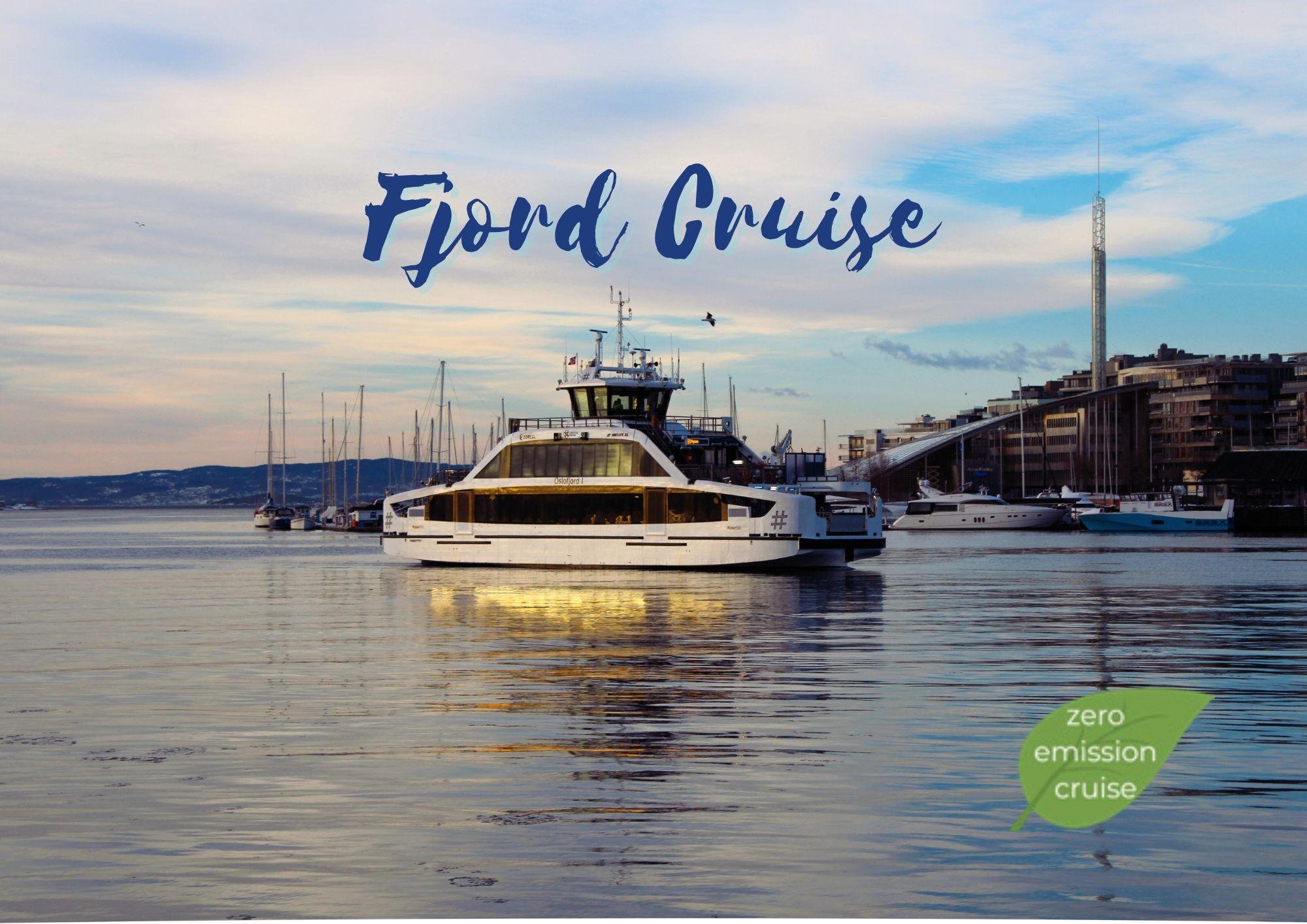
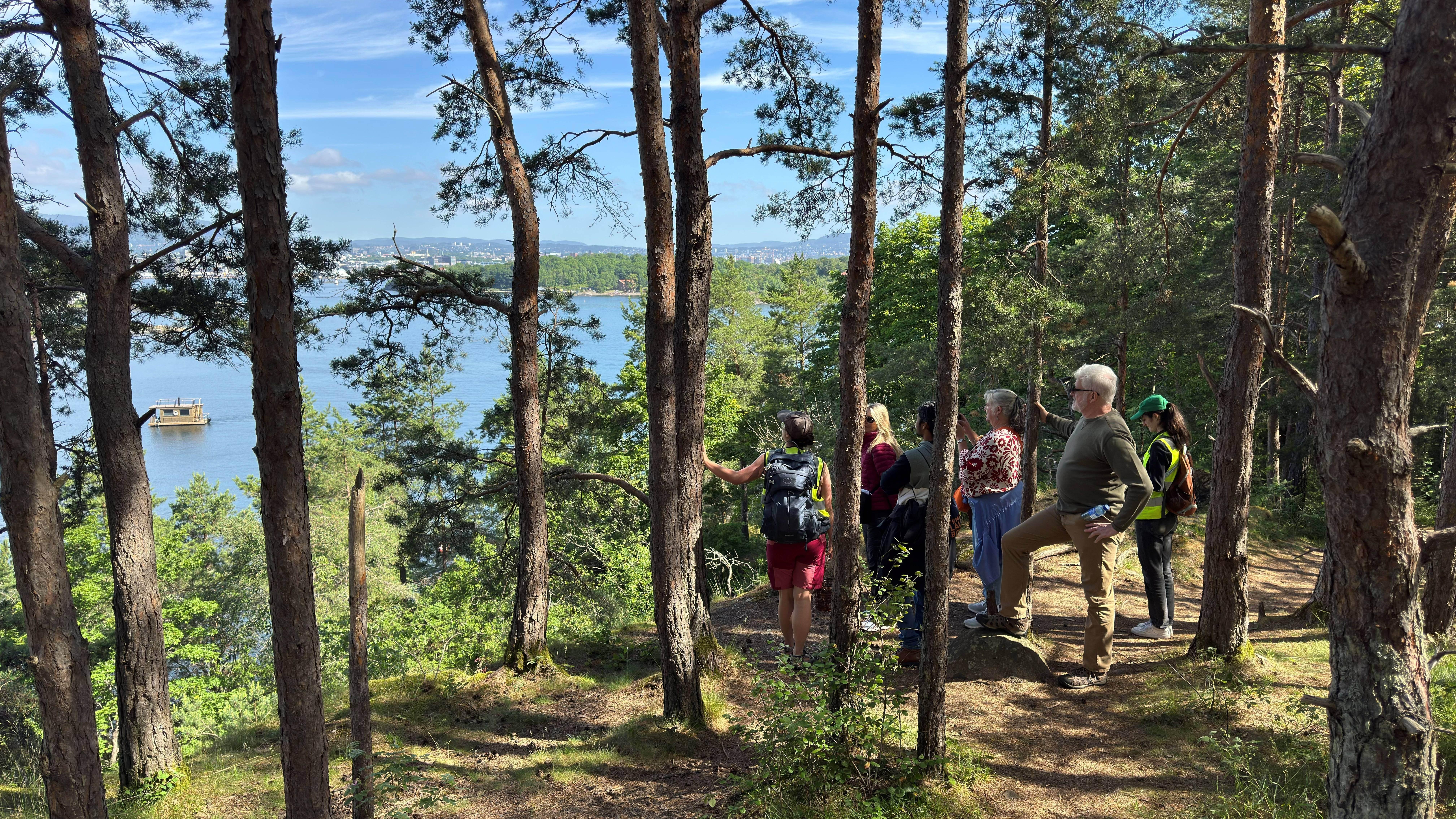
Oslo Fjord Island Hopping Adventure
- Entry ticket
- Mobile voucher
- Valid same day
- Free cancellation
Oslo Island Hopping Ticket — Ferry Access Across the Fjord
Secure Ruter network access, explore a dozen forested isles at your pace
Compare fares, pick the fit — all bookings are mobile-voucher and eligible for free cancellation where shown.
3 hr 15 min
1 hr 30 min
2 hr
| Experience | Duration | Rating | Skip-the-line | Guide | Small group | Free cancel. | Price | |
|---|---|---|---|---|---|---|---|---|
|
Standard Entry
Most popular
Oslo Fjord Island Hopping Adventure
|
3 hr 15 min | ★ 4.8 | — | ✓ | ✓ | ✓ | $42 | Book → |
|
Guided Experience
Oslofjord Electric Boat Tour with Audio Guide
|
1 hr 30 min | ★ 4.5 | ✓ | ✓ | ✓ | ✓ | $45 | Book → |
|
Guided Experience
Electric Oslofjord Cruise with Audio Guide
|
2 hr | ★ 4.4 | ✓ | ✓ | ✓ | ✓ | $52 | Book → |
Worth it for budget-conscious island explorers
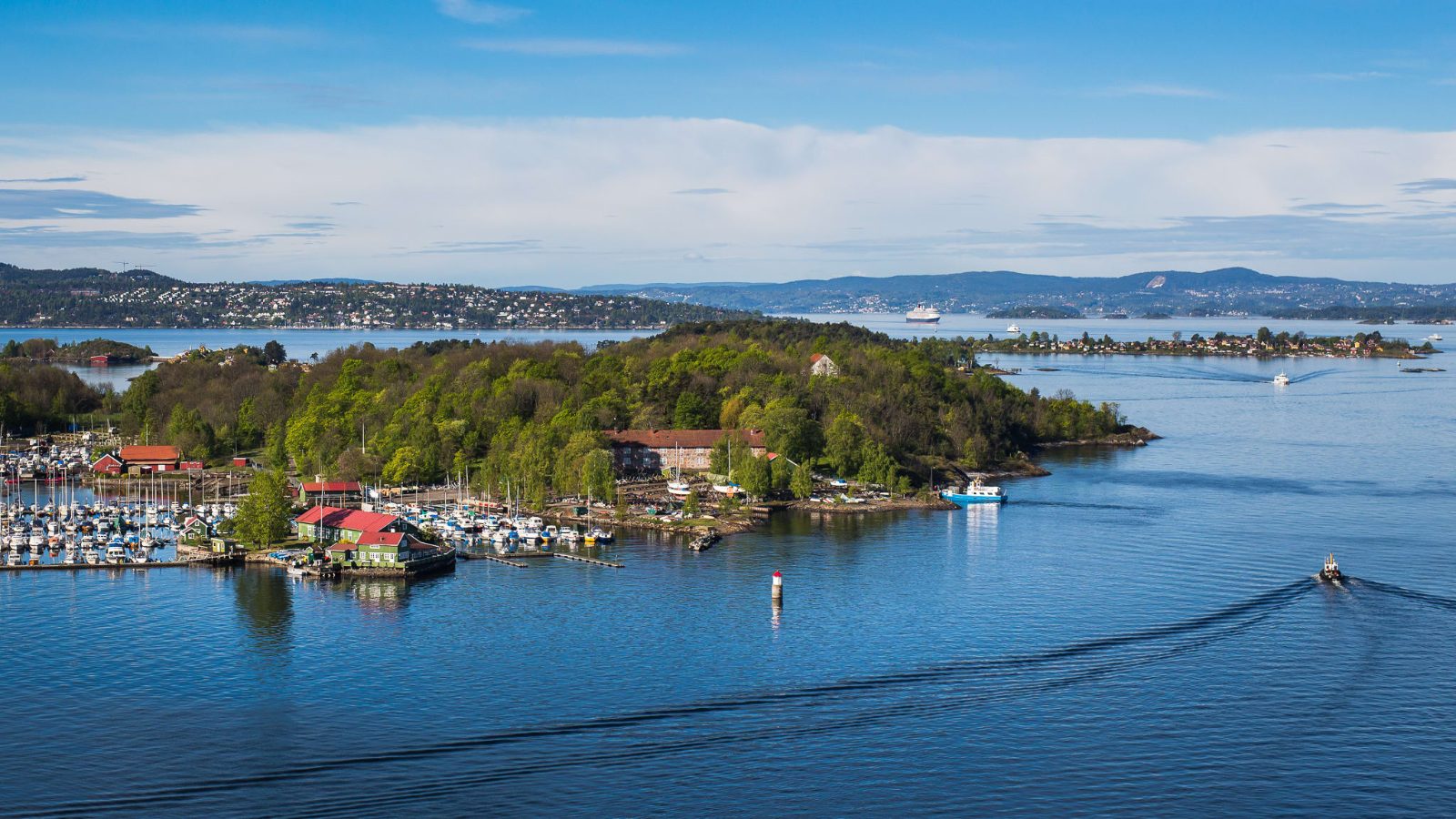
The oslo island hopping ticket delivers exceptional value at just 42 NOK—the standard Ruter single fare that unlocks access to Hovedøya's medieval monastery ruins, Gressholmen's bird sanctuary, and Langøyene's swimming beaches across the inner Oslofjord. This flexibility means you control your island-hopping pace without group constraints or fixed itineraries. The Oslo Pass includes unlimited Ruter travel, making ferry access essentially free for cardholders exploring multiple attractions. For independent travelers comfortable navigating public transport, the standard ticket offers unbeatable affordability compared to packaged oslo island hopping ticket tickets. Families and solo explorers gain the freedom to linger at Hovedøya's shoreline or skip ahead to the next island without the pressure of guided schedules, though you'll miss the contextual commentary provided on commercial oslo island hopping ticket tour departures.
Bottom line: For 42 NOK, the standard transit fare transforms into unlimited island access—unmatched value for self-guided Oslofjord exploration.
These options cater to different needs; most visitors find that an oslo island hopping ticket provides the most freedom, whereas private cruises excel in comfort. Choosing between these oslo island hopping ticket tours depends on whether you prioritize spontaneous exploration of local landmarks or a structured sightseeing experience.
|
Top pick Ruter Public Ferry |
Commercial Cruise | |
|---|---|---|
| Cost | 42 NOK | 350–700 NOK |
| Narrative/Audio Guide | None | Live or recorded guide |
| Flexibility | High schedule control | Fixed departure times |
| Ease of Booking | Ruter app or kiosk | Online portal or wharf |
| Stop-over Freedom | Unlimited hop-on hop-off | None or limited |
| Food Service Availability | None | Onboard cafe and bar |
| See tickets & prices |
Verdict: If you seek the best value for your oslo island hopping ticket tour, public transport is superior, while those wanting an all-inclusive experience should purchase oslo island hopping ticket tickets for commercial cruises.
Hand-picked experiences loved by thousands of travelers
3 hours
Free Cancellation
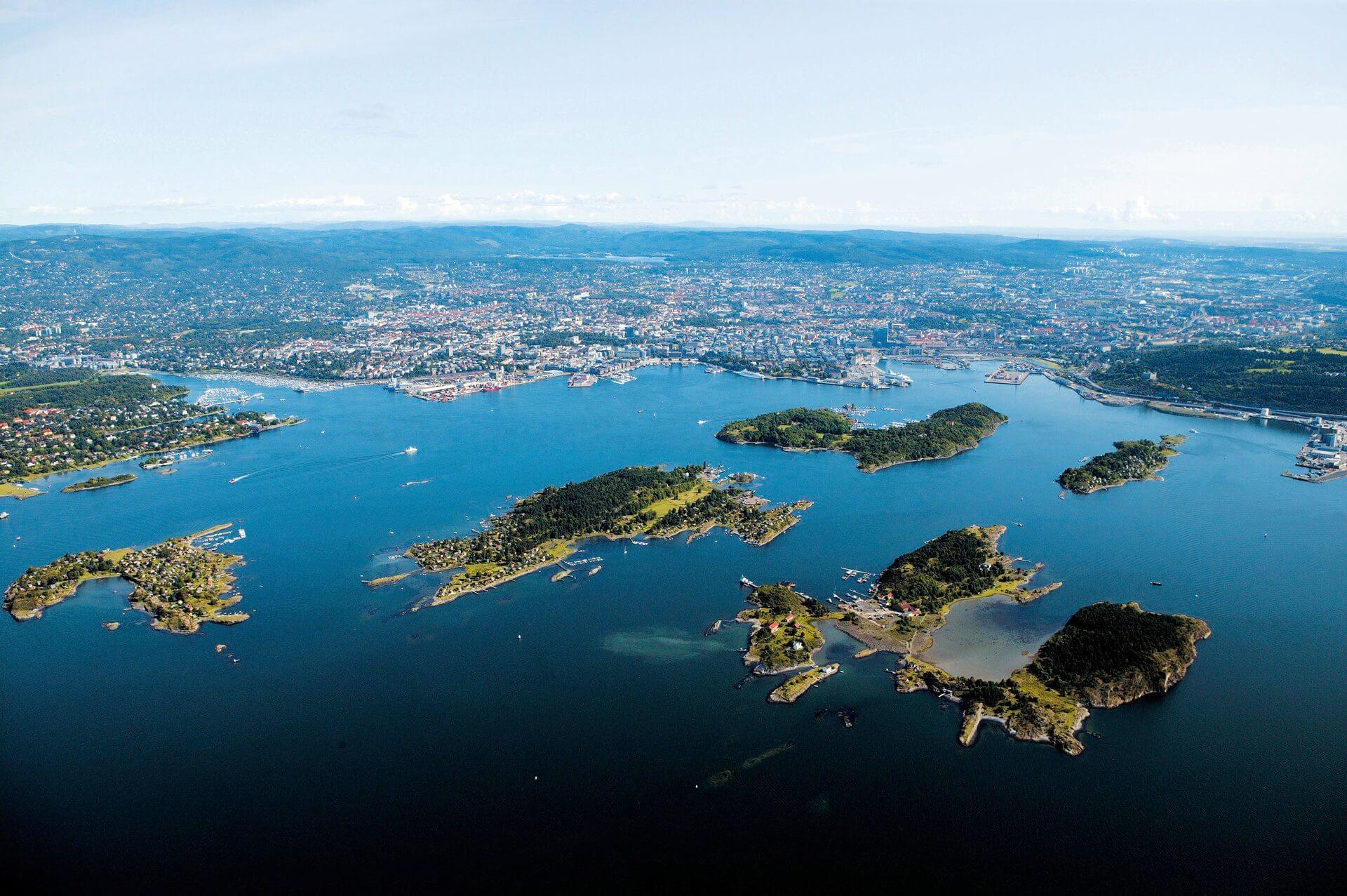
Sail the fjord by ferry and explore two historic islands with colorful cottages and medieval ruins
6 hours
Free Cancellation
Six-hour voyage visiting Hovedøya, Lindøya, Gressholmen, Heggholmen, and Langøyene with beaches and history
3 hours
Free Cancellation
Ferry across the fjord to explore island nature, medieval ruins, and summer retreats with local tastings
4.5 hours
Free Cancellation
Discover Oslo's island gems by public ferry—medieval ruins, cabin villages, and fjord scenery in one afternoon
4 hours
Free Cancellation
Sail between secluded islands, explore coastal trails, and discover the tranquil side of Norway's capital
2 hours
Free Cancellation
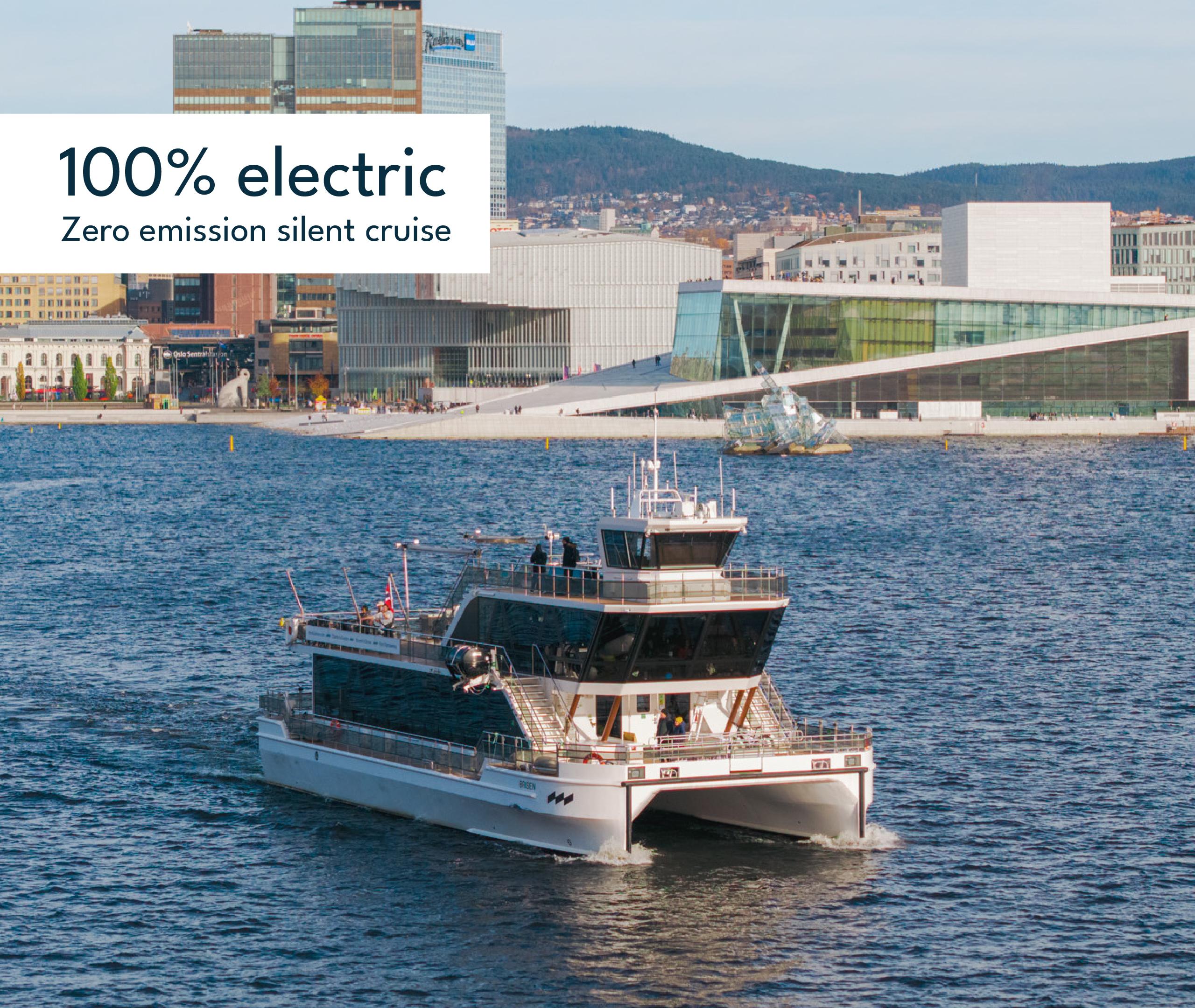
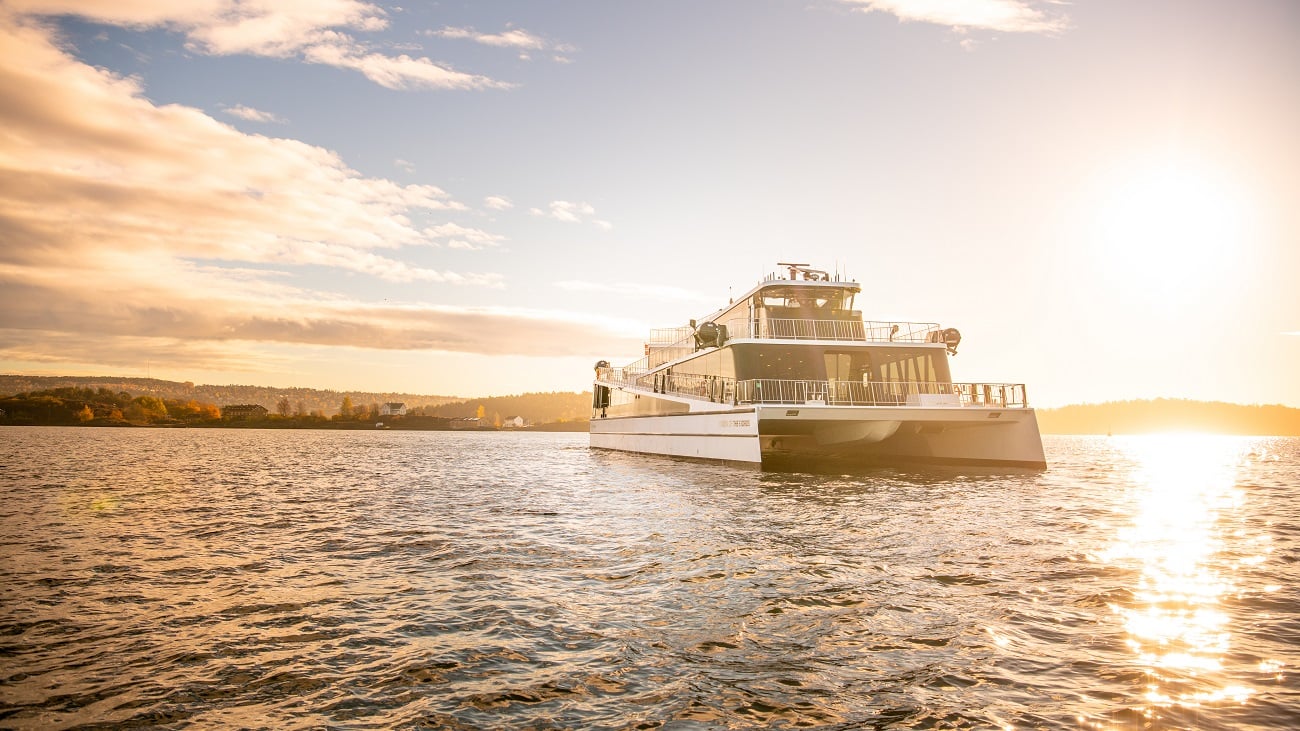
Glide through Oslo's waterways on a quiet hybrid vessel with panoramic views and expert commentary
3 hours 30 minutes
Free Cancellation
Explore woodland trails, savor chef-prepared Norwegian waffles, and admire sweeping fjord vistas on this intimate guided adventure.
3 hours
Free Cancellation
Guided walk through Oslo's archipelago with forest trails, fjord views, and a traditional Norwegian treat.
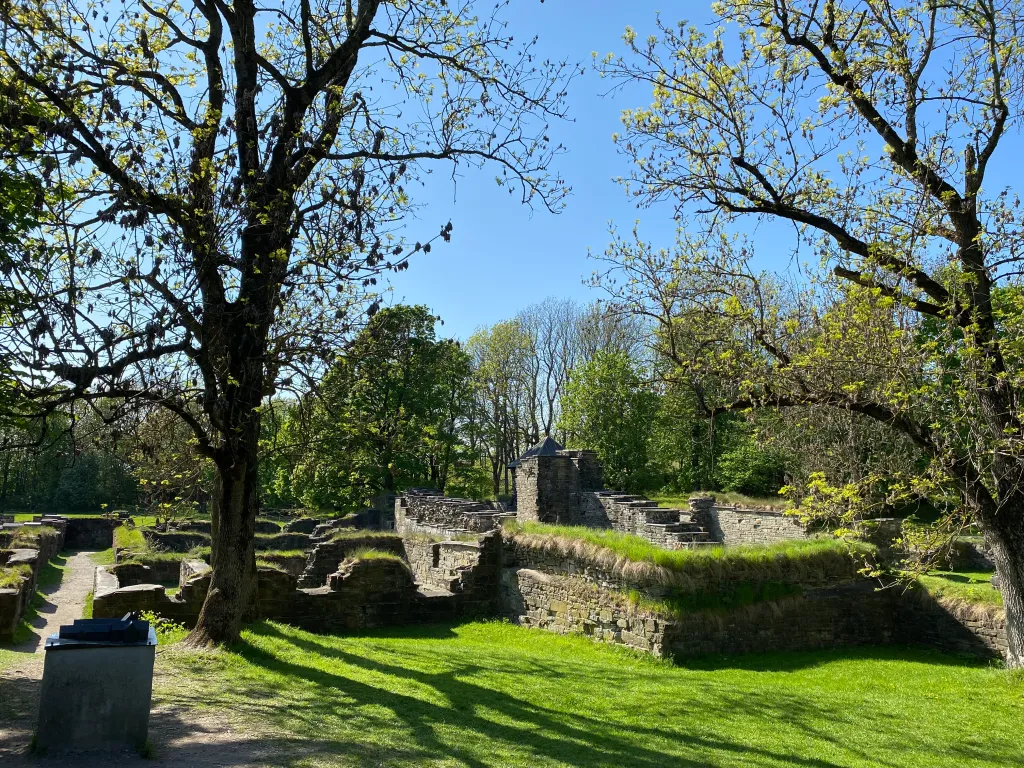
Explore the ruins of a 12th-century Cistercian monastery founded by English monks.
A peaceful island known for its rich birdlife and protected coastal forest trails.
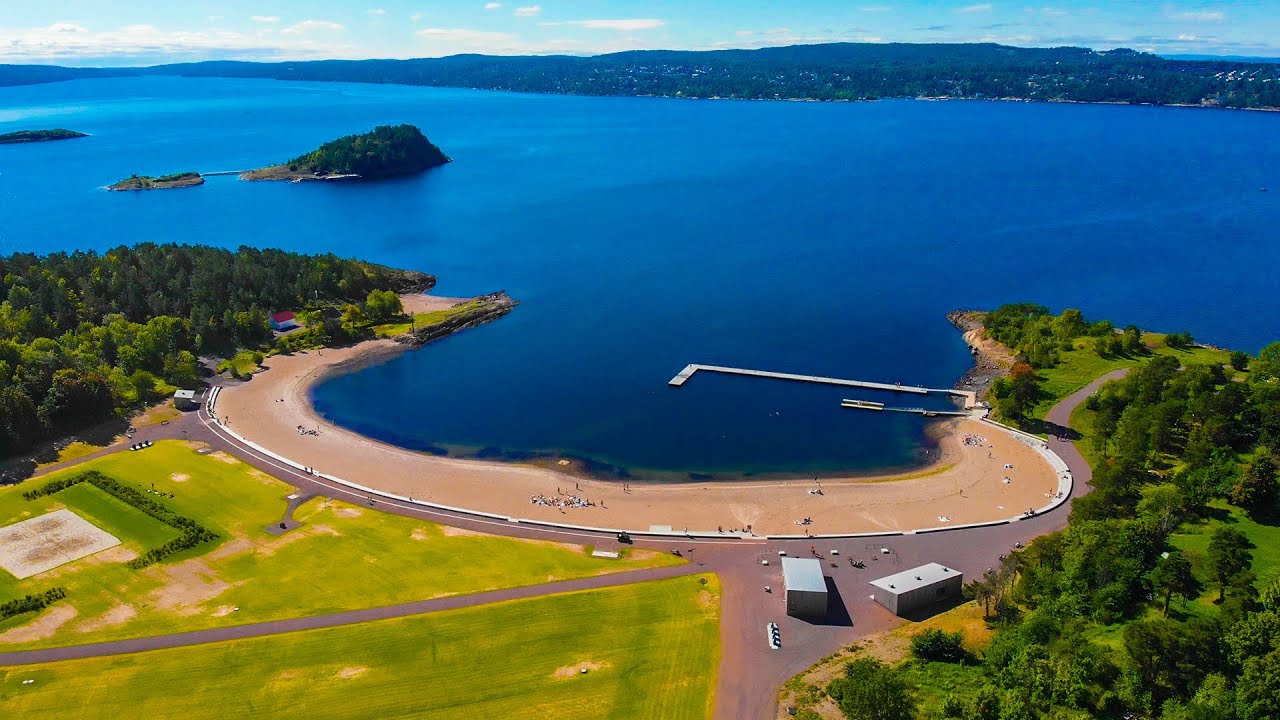
The most popular destination for swimming with its large sandy beach and sunny meadows.
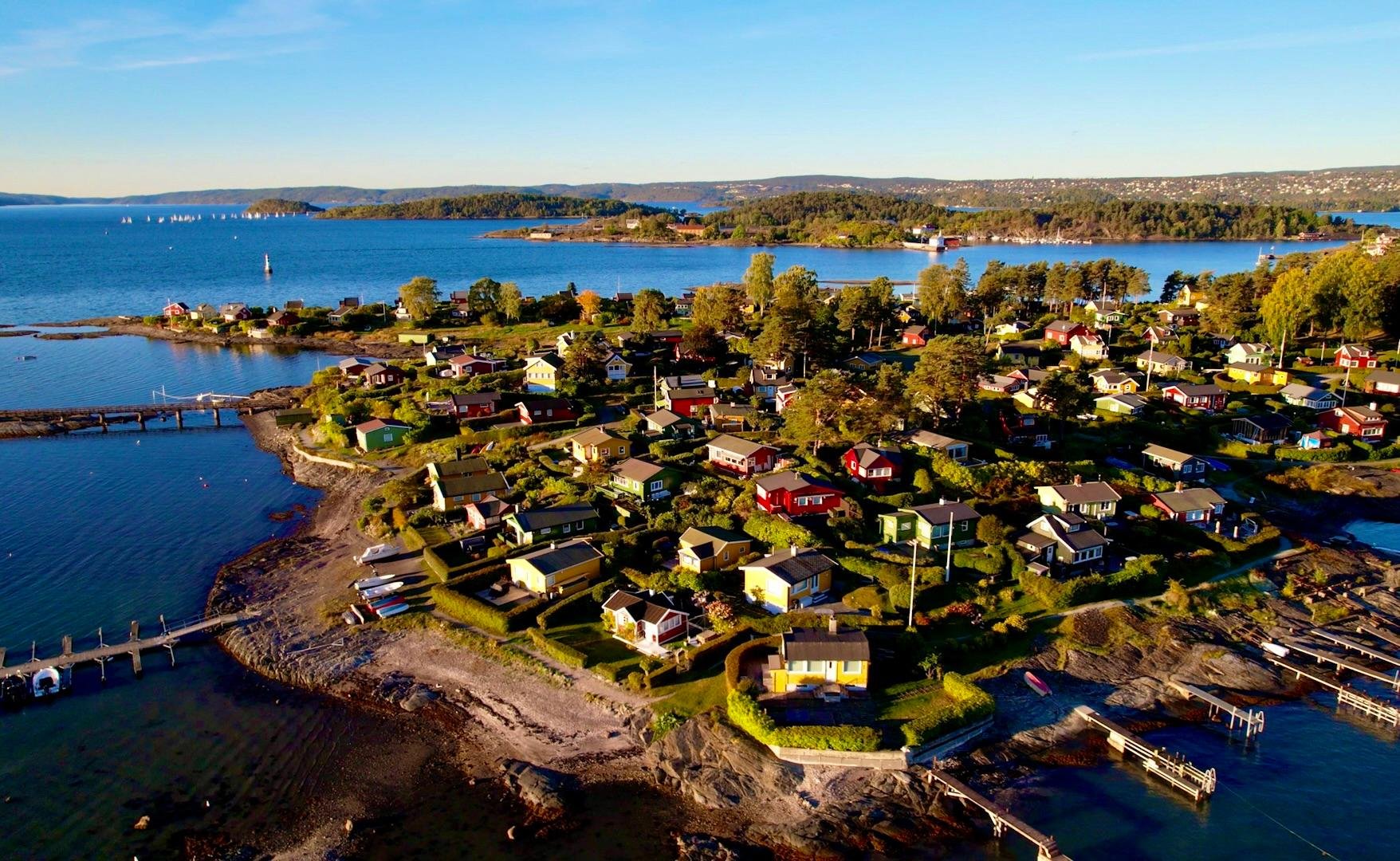
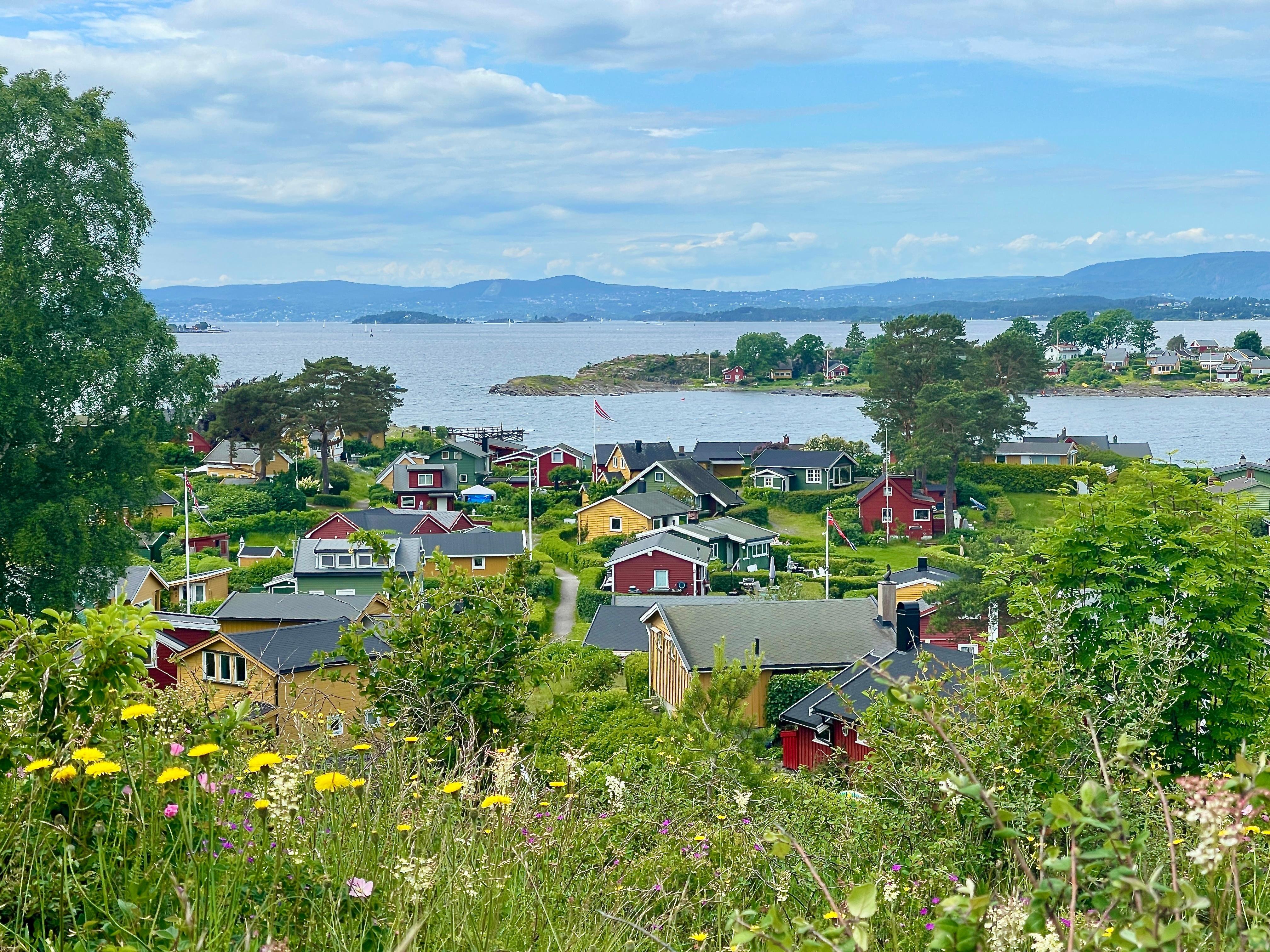
Characterized by its unique collection of nearly 90 historic wooden holiday cabins.
A picturesque island offering classic views of the inner fjord and the city skyline.
All the details about your upcoming adventure in one place
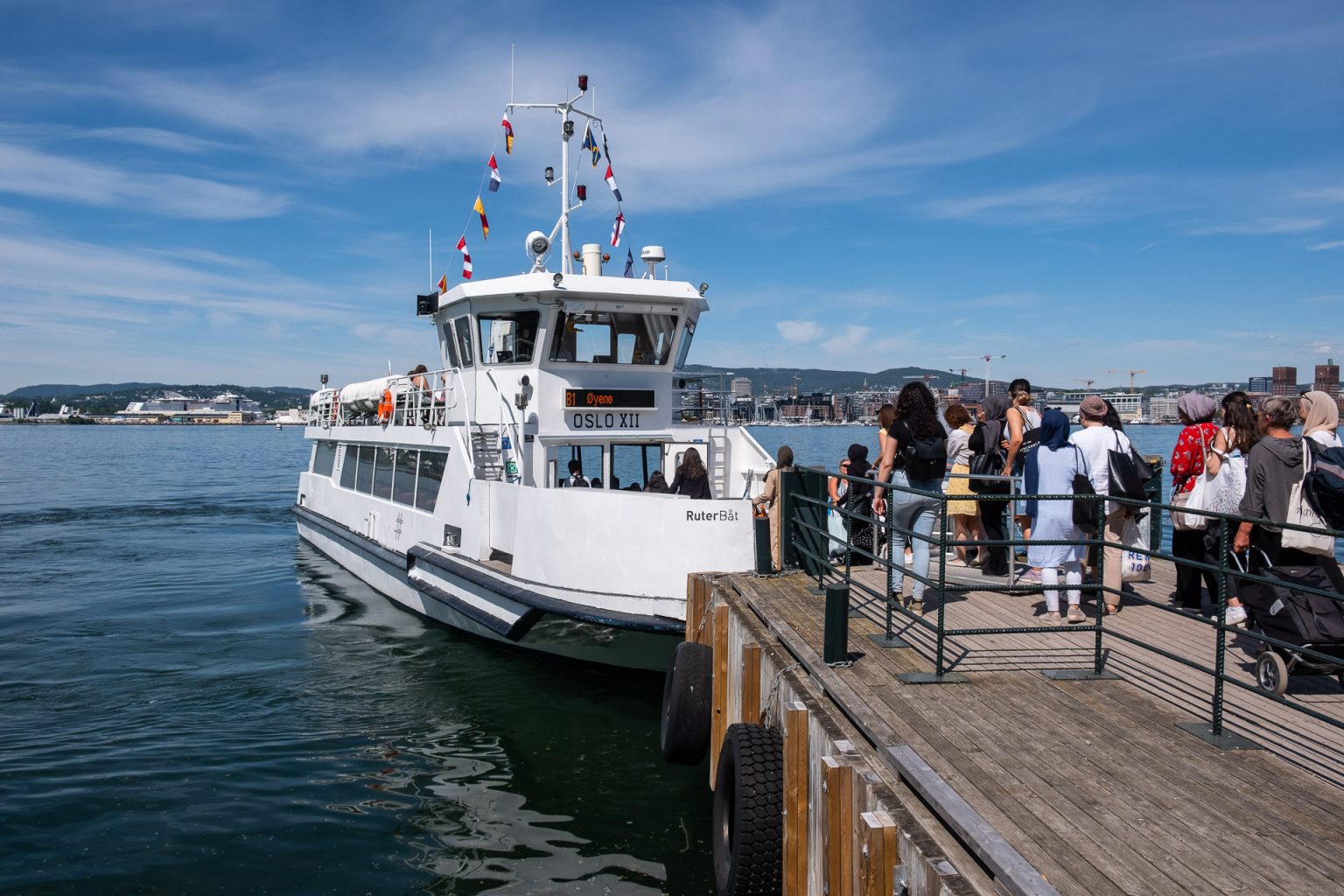
Ferries operated by Ruter—the region's public-transport authority—have connected these islands to the capital since 1875, when steam packets first served quarry workers on Hovedøya and lighthouse keepers on Bleikøya. Today the same routes carry hikers, swimmers, and picnickers under the same fare structure that governs Oslo's trams and metro, a democratic model that keeps the archipelago accessible year-round. An Oslo island hopping ticket grants unlimited travel across Ruter's boat network for the ticket's validity period, typically twenty-four hours from first validation. The standard single-journey fare is forty-two Norwegian kroner, but multi-day passes and integrated Oslo Pass holders travel without additional charge. The most-visited islands—Hovedøya with its twelfth-century Cistercian monastery ruins, Langøyene with its kilometre-long beach, Gressholmen with its aviation-history museum—anchor the network, while smaller isles like Nakholmen and Lindøya reward explorers willing to walk unpaved trails. The archipelago's biodiversity owes much to a 1952 municipal decree that protected the outer islands from development. Old-growth pine stands on Hovedøya support nesting ospreys; Langøyene's dune grasses stabilise one of Scandinavia's few inner-fjord sandbanks. Summer weekends see ferry capacity tested—morning departures between seven and eleven o'clock offer the surest chance of securing deck seating on the twelve-minute crossing to Hovedøya. Winter travellers find the islands nearly deserted, the frozen shallows around Lindøya offering safe passage for Nordic skiers when temperatures hold below minus five Celsius for a week. The system's simplicity—one ticket, multiple islands, no reservations—mirrors the egalitarian ethos that has kept Oslo's waterfront publicly owned since the 1990s urban-renewal debates.
Ruter tickets are generally non-refundable once activated. For single ticket purchases of 42 NOK, ensure your travel plans are confirmed before activation.
Oslo's island-hopping network traces its origins to the city's earliest maritime identity. By the seventeenth century, fishermen and farmers used small wooden boats to shuttle between settlements on Hovedøya, Gressholmen, and Lindøya, treating the fjord as both larder and highway. The first scheduled passenger ferry service launched in 1876, when steamship operator Christiania Dampskibsselskab began stops at Hovedøya's newly opened recreational grounds. The route expanded to Gressholmen in 1902, transforming seasonal fishing outposts into popular Sunday destinations for working-class families seeking respite from the city's industrial sprawl. The modern oslo island hopping ticket system emerged in 1975, when Oslo Sporveier integrated fjord ferries into the municipal transit network. Passengers could board island boats using the same paper tickets valid on trams and buses, a structural shift that democratized access to islands previously reachable only by private craft or expensive charter. The public transport integration sparked a decade-long boom in island visitation, straining infrastructure on Langøyene and Nakholmen. In 1987, the city council imposed seasonal capacity limits and introduced a staggered departure schedule to prevent overcrowding on popular midsummer weekends. The oslo island hopping ticket tours now operate under a unified fare zone, with a single 42 NOK ticket granting access to all thirteen island stops within Zone 1. The 2019 expansion to Bleikøya and Gressholmen's southern dock marked the network's largest route addition in four decades. Today's fleet comprises five electric-hybrid vessels commissioned between 2021 and 2024, replacing diesel ferries that had served the route since 1989. The transition cut emissions by sixty-two percent while maintaining the eighteen-minute crossing time to Hovedøya established in the steam era.
Christiania Dampskibsselskab launches first scheduled ferry to Hovedøya.
Service expands to Gressholmen, opening islands to recreational visitors.
Oslo Sporveier integrates fjord ferries into public transport network.
City council imposes capacity limits after overcrowding incidents.
Ruter assumes operations and introduces contactless ticketing.
Route expansion adds Bleikøya and Gressholmen southern dock.
Electric-hybrid fleet replaces diesel vessels, cutting emissions by 62%.
Walk through the stone arches of the 12th-century Cistercian monastery to capture weathered textures against lush greenery. Position your camera at ground level looking through the main vaulted entrance to frame the island forest.
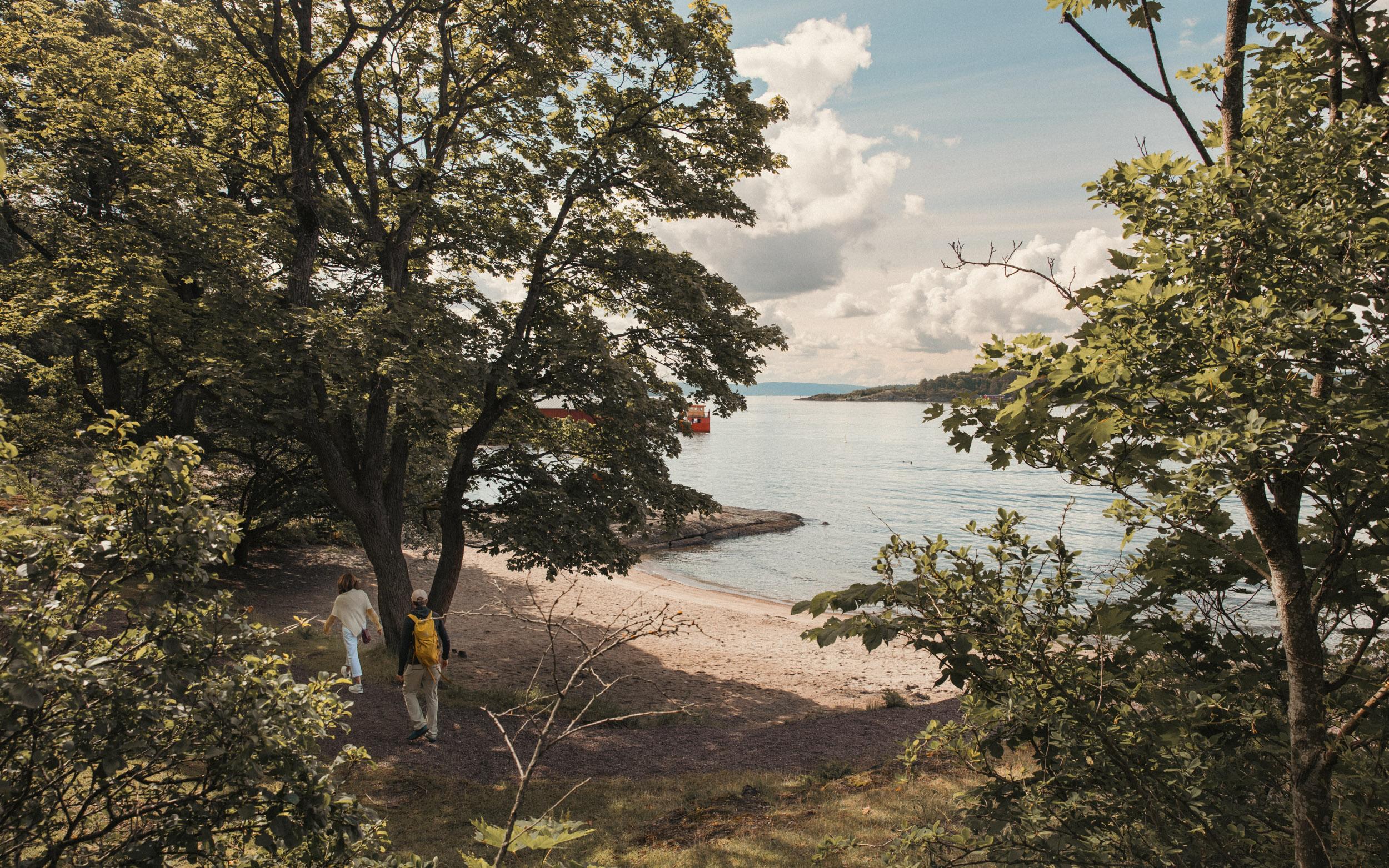
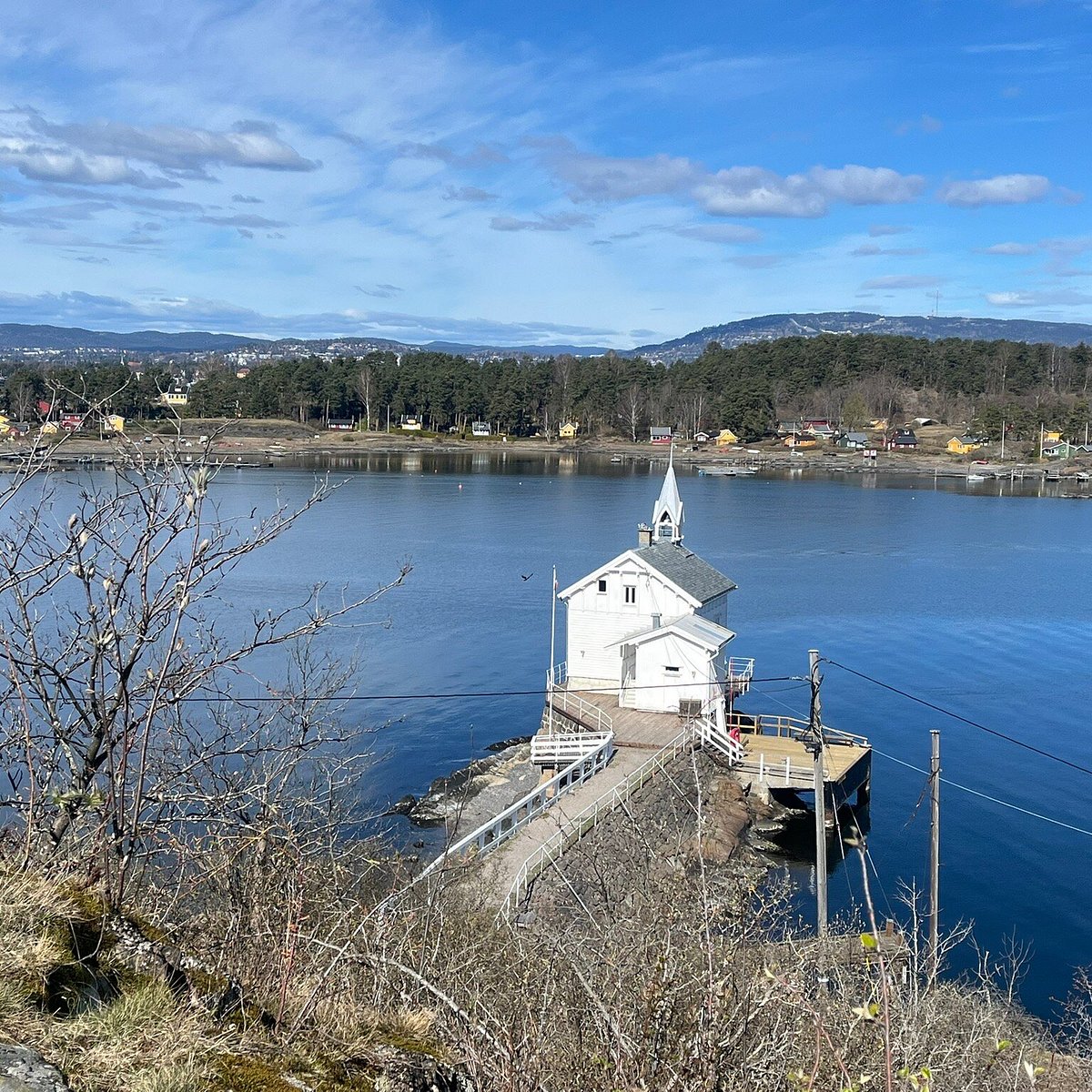
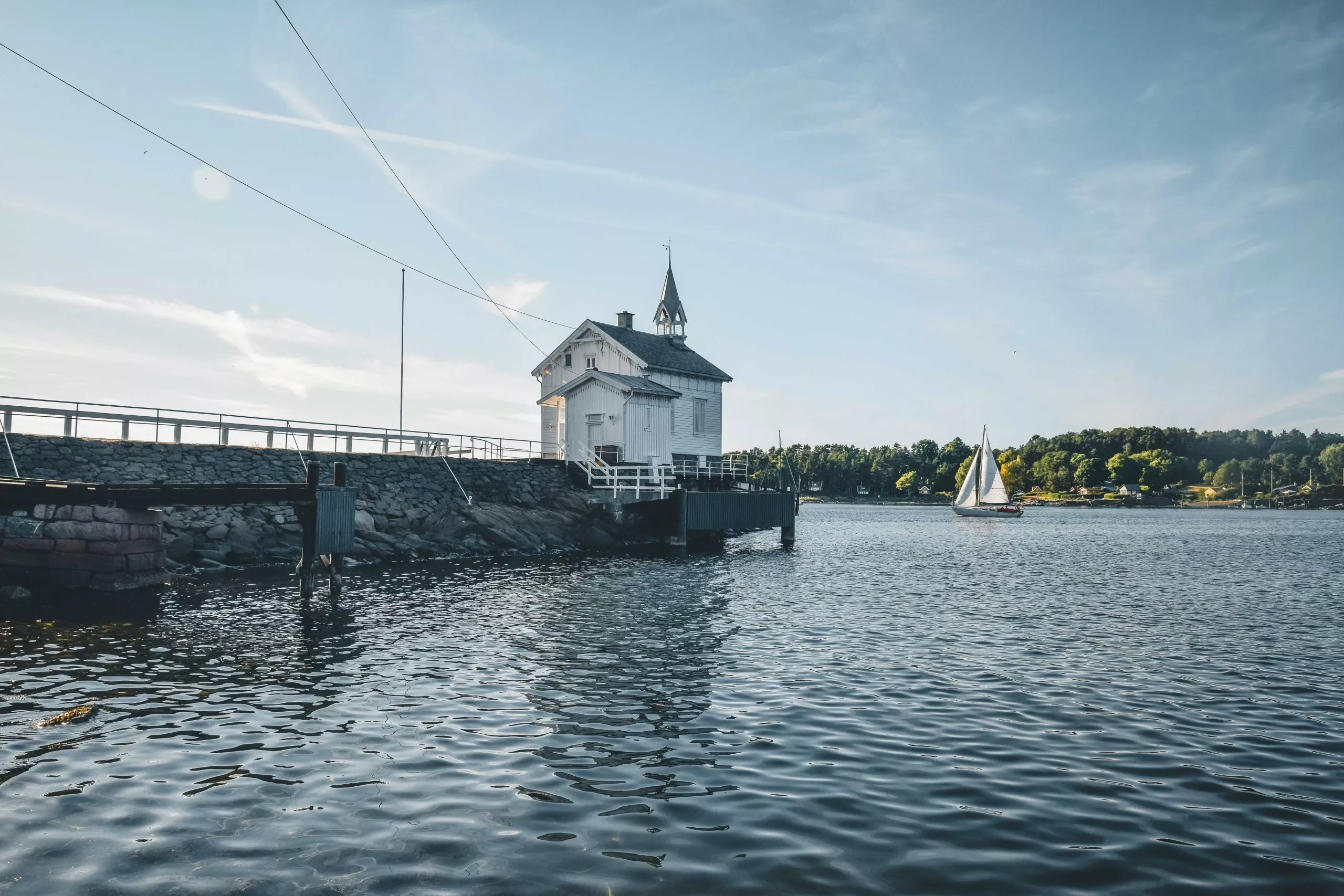
Capture the contrast of the bright red timber structure against the deep blue waters of the Oslo Fjord. Stand on the rocky shoreline path to the south to include the maritime horizon in your composition.
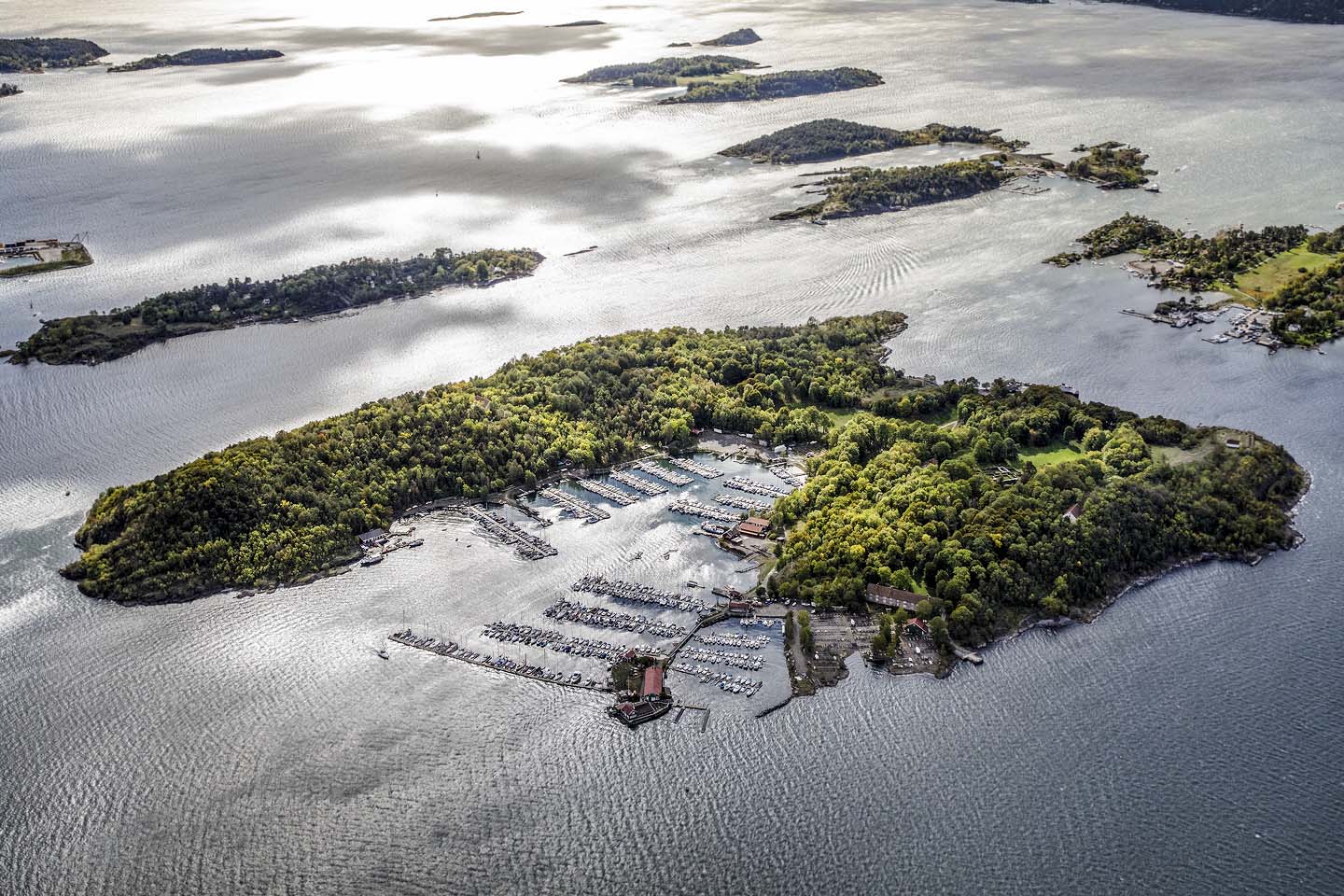
The twin islands offer expansive views of the water and the surrounding archipelago from the northern pebble beaches. Use a wide-angle lens to capture the panoramic coastline while using an oslo island hopping ticket to access these quiet shores.
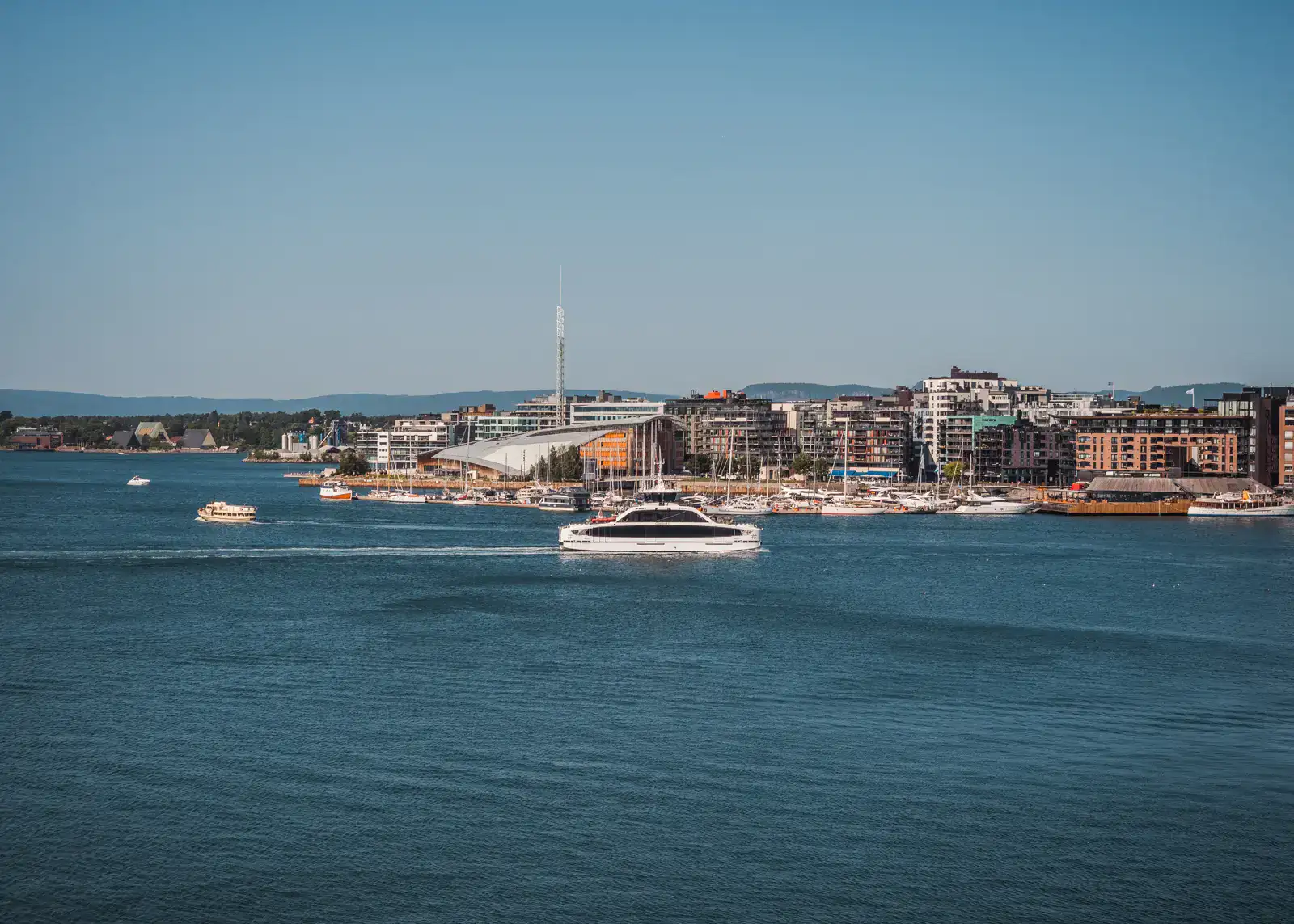
This vantage point provides a clear view of the city silhouette, the Akershus Fortress walls, and the modern waterfront architecture as you begin your oslo island hopping ticket tours.
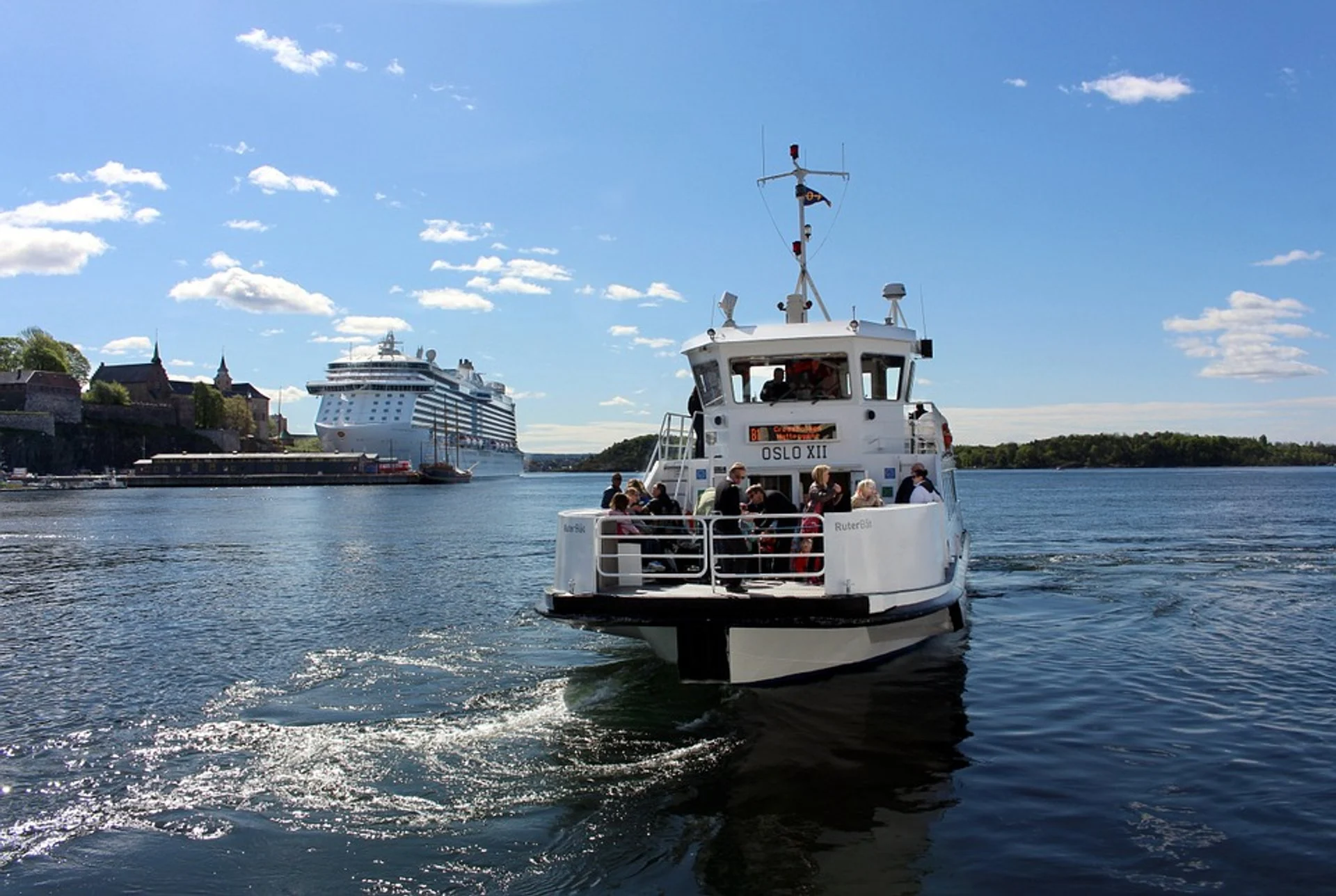
Exploring the Oslo Fjord via an oslo island hopping ticket is a practical way for families to enjoy the archipelago's quiet paths and beaches. These public ferries serve as accessible oslo island hopping ticket tours that allow you to customize your own pace on the water.
Most Ruter ferries are spacious and accommodate strollers easily, though you should avoid boarding during peak times to ensure enough room. The island terrain varies from paved paths to gravel, so choose your route based on your wheels
You will find baby-change facilities at the main terminals, but these are limited on the older vessels themselves.
You can purchase an oslo island hopping ticket tour directly through the Ruter app or at ticket machines for 42 NOK, which covers your single trip. If you hold an active Oslo Pass, public transport, including these ferries, is included in your pass at no additional cost
The ferries are suitable for children of all ages, as the short travel times between stops keep younger travelers engaged without long waits. These oslo island hopping ticket tickets allow families to hop off at Hovedøya or Gressholmen for a gentle walk and picnic by the Oslo landmarks.
Dining options vary significantly when using an oslo island hopping ticket, as many smaller islands lack commercial facilities.
Located on Gressholmen, this historic spot serves classic Norwegian lunch dishes and beverages during the summer season. It is a popular destination for those utilizing oslo island hopping ticket tours to explore the archipelago.
Everything you need to know for your journey
Most public ferries operating under the oslo island hopping ticket system provide basic onboard facilities.
Yes, the B1 ferry line runs year-round, though summer schedules are more frequent for your oslo island hopping ticket experience.
The oslo island hopping ticket is for public transport, not a guided tour, though many visitors treat it as a DIY excursion.
Very limited; we recommend bringing your own supplies for an oslo island hopping ticket day trip.
Join thousands of happy travelers who have discovered this incredible experience
Book Your Experience Now